One year ago this month we finished the laundry room. The final invoice, the last coat of paint, the first full week of normal use without tools on the floor—all of that is now twelve months behind us. The question I keep getting, and the one I have asked myself, is simple: was it worth it?
Not “does it look better.” It does. Not “is it more pleasant.” It is. The real question is whether the time, the $12,800, and the weeks of disruption produced returns that still feel solid after the novelty wore off.
Here is the honest tally after one full year of real family laundry in a Buffalo climate.
The Near-Misses That Never Became Claims
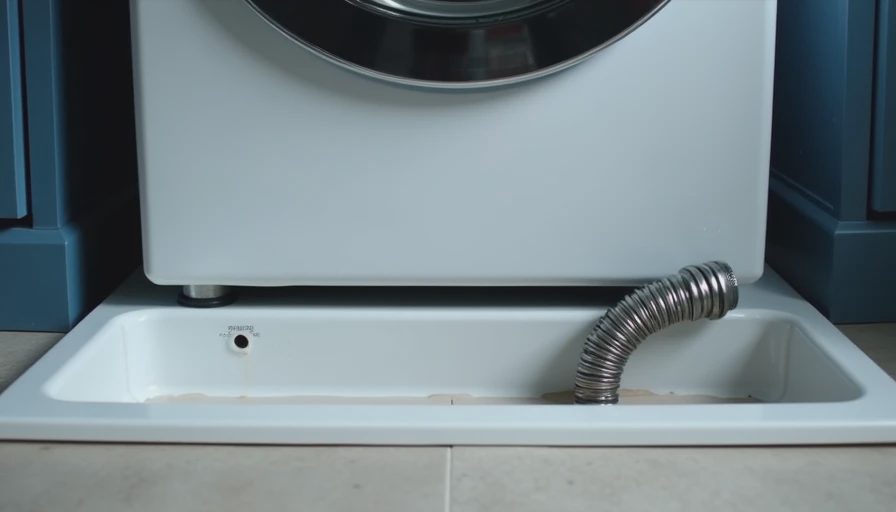
We had one minor overflow when a drain hose shifted during a heavy load. The water hit the drain pan, ran to the floor drain, and stopped. Total cleanup time: twelve minutes. In the old setup that same event would have reached the finished ceiling of the room above or at least soaked the base of the foundation wall.
We also caught a developing restriction in the dryer vent during a scheduled fall cleaning. The dryer had started taking slightly longer on towel loads. Because the run is short and accessible, we cleared it in under an hour. In the old crushed flexible duct that restriction would have been harder to see and easier to ignore until the overheating became obvious.
Those two events alone would have justified a large part of the mechanical spending if they had turned into full claims. They did not. That is the quietest and most valuable return.
Daily Friction That Simply Disappeared
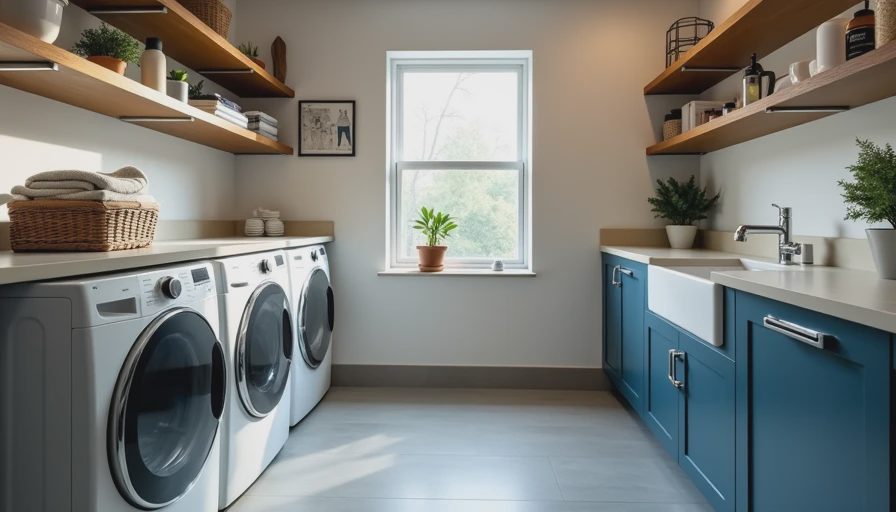
I no longer carry wet sports gear upstairs to the bathtub. The utility sink handles it. I no longer balance detergent bottles on a curved machine top or hunt for a place to set a full basket. The counter is right there. I no longer do evening loads by the light of a single bulb or the stairwell. The room is simply usable after dark.
None of these changes are dramatic on their own. Together they removed the low-level resentment that used to accompany every load. Laundry is still not my favorite task. It is no longer a task I actively delay because the space itself feels punishing.
Maintenance That Actually Happens
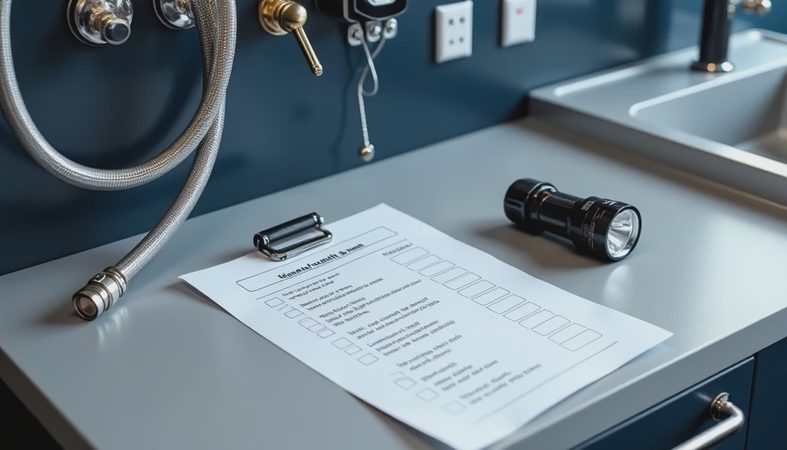
Because the hoses, valves, vent, and sensors are visible and reachable, the twice-yearly checklist takes less than thirty minutes. I do it. In the old space the same work felt like a project, so it got postponed. The difference between a room that trains you to maintain it and a room that trains you to avoid it is larger than I expected.
What the Money Actually Bought
The $12,800 bought systems that prevent water and fire problems, surfaces that tolerate real use, and a layout that supports the actual sequence of work. It did not buy a magazine feature. The walls are plain. The shelving is open metal. The counter is laminate. A year later those choices still feel correct. The things that get used daily have held up. The things that protect the house have already proven their value in small ways.
Would I spend it again? Yes. Would I spend it the same way? Almost exactly. The only adjustments would be minor—slightly deeper sink, earlier countertop order. The core decisions around water, venting, drainage, lighting, and workflow remain the ones I would repeat without hesitation.
The Intangible That Matters Most
A room you hate to be in is a room you’ll never take care of. One year later the laundry room is a place I do not hate. That single fact has compounded. Small problems get noticed earlier. Maintenance happens on schedule. The rest of the basement stays drier because the laundry zone is no longer a chronic moisture source. The mental load of “I should deal with that laundry situation” is simply gone.
That is the return that does not appear on a spreadsheet and still feels like the largest one.
Who This Is For
If your current laundry space is already functional, dry, and reasonably pleasant, a full renovation may not be the highest-value project in the house. If your space is the unfinished corner, the closet that makes you dread every load, or the setup that has already given you one scare, then yes—the work is worth it. Not because the finished room is luxurious, but because it stops being a liability and starts being ordinary infrastructure that does its job.
One year in, the laundry room is ordinary in the best way. The machines run. The water stays where it belongs. The lights are on. The floor is dry. And when I walk downstairs with a basket at the end of the day, the room is ready instead of resentful.
That is worth the twelve weeks and the $12,800. I would do it again.