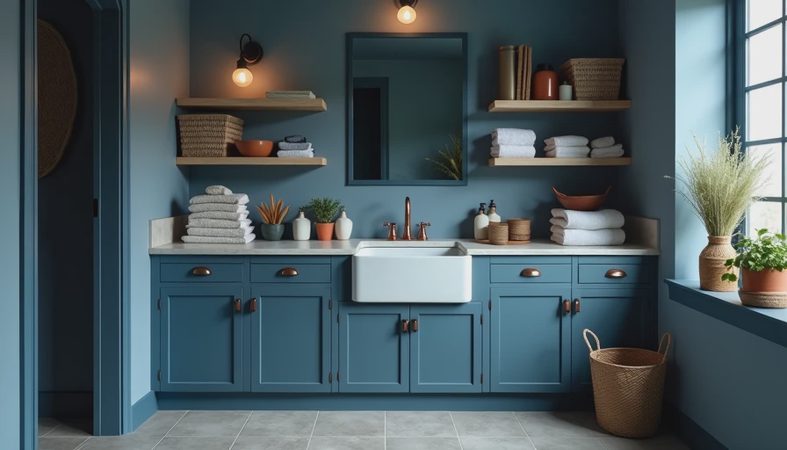
Laundry room storage cabinets are not just a way to hide detergent bottles before company arrives. Planned correctly, they keep supplies away from children, protect linens from basement moisture, and give you enough working space to spot a leaking hose before it becomes a $10,000 cleanup. After years inspecting water and fire claims, I look at every cabinet through two questions: will it survive this room, and will it help someone maintain the room?
My own laundry room started in the unfinished basement of our 1947 Buffalo colonial. The washer and dryer were wedged beside a utility sink, detergent sat on the floor, and the only shelf bowed whenever someone placed a gallon jug on it. It was functional in the same way camping in your backyard is functional. A room you hate to be in is a room you'll never take care of.
Start with the hazards, not the Pinterest board
Before measuring for laundry room storage cabinets, find the shutoff valves, drain, electrical outlet, dryer vent, and furnace or water heater access. Cabinets should not block a main water shutoff or force you to remove a drawer to reach the washer valves. Leave enough clearance to pull the machines forward for hose replacement and inspection. A tight, beautiful installation can become a serious problem when a technician cannot reach a connection.
Water is the first concern. Never use ordinary particleboard directly beside a washer, utility sink, or floor drain. A small supply-line leak can swell cabinet bottoms within hours. Use moisture-resistant plywood, sealed edges, or a durable laminate-faced box. PVC or composite cabinet components can work well in damp basements, although they still need proper support and anchoring.
Fire safety matters too. Do not store paper towels, cardboard shipping boxes, or piles of lint beside the dryer. Keep the dryer vent accessible, and never build a cabinet that squeezes the vent hose into a sharp bend. A crushed or clogged vent makes the dryer work harder and creates a serious overheating risk. Clean the lint screen every load and have the vent path checked when drying times suddenly increase.
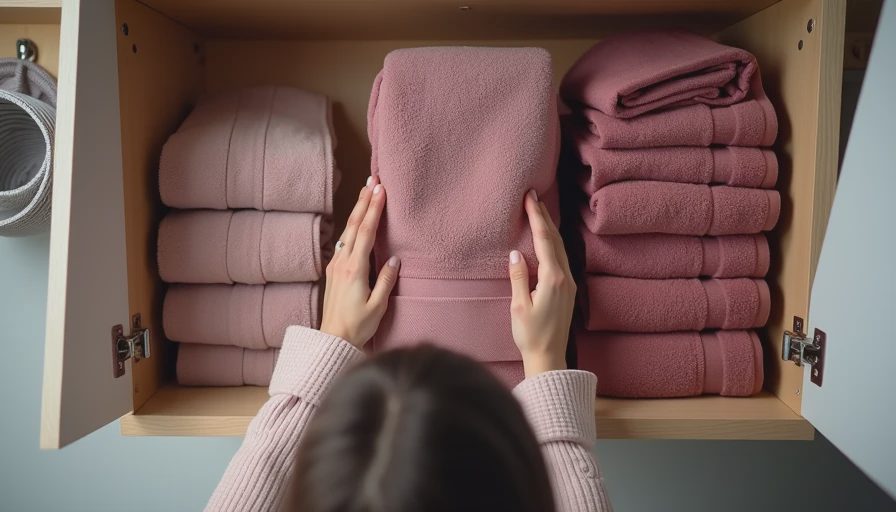
Choosing laundry room storage cabinets for your layout
The best layout depends on whether your machines are side by side, stacked, or tucked into a closet. For side-by-side machines, a cabinet run 24 to 25 inches deep usually matches standard appliance depth, but measure your actual units first. A 30-inch-deep box can steal valuable aisle space in a narrow room. In a closet, shallow laundry room storage cabinets above the machines may provide more benefit than full-depth units on both sides.
A tall cabinet is useful for brooms, a mop, spare filters, and a vacuum attachment. Place it away from the washer door swing and avoid storing heavy items above shoulder height. Wall cabinets work well for detergent and stain products, but anchor them into studs or use appropriate wall hardware. One overloaded cabinet falling from drywall can damage the machines, flooring, and anyone standing nearby.
For a folding station, aim for a counter height around 36 inches, then adjust for the people who actually use it. A counter over front-load machines can create an efficient surface, but it must be secured so vibration does not make it shift. Leave a removable or accessible panel near plumbing connections. If the washer pan, drain, or shutoff valves need service, you should not have to dismantle half the room.
Materials, finishes, and hardware that earn their place
Cabinet material is only part of the decision. The finish should tolerate detergent splashes, damp towels, and repeated wiping. Thermofoil and laminate are practical choices for many laundry rooms because they clean easily and do not require delicate maintenance. Painted wood can look excellent, but seal the edges and use a washable cabinet paint. Raw MDF near a sink is a shortcut I would skip; once water reaches an unsealed edge, the damage spreads quickly.
Choose soft-close hinges and drawer slides rated for the load you expect. A drawer full of stain remover, clips, and spare parts gets heavier than it looks. Pull-out bins can hold laundry baskets, but add ventilation if damp clothing might sit there. Open cubbies are convenient for daily items, while closed doors keep dust and chemical products away from children and pets.
Do not forget the floor. If a cabinet sits directly on a basement slab, moisture can wick into the toe kick. A plastic or metal leg system with a removable toe kick is easier to inspect and clean than a wood box resting on concrete. In a room with a history of seepage, raise the cabinet base and keep valuable paper products on upper shelves.

A practical budget for laundry room storage cabinets
Stock laundry room storage cabinets from a home improvement store can cost roughly $100 to $300 per unit, with a small wall-and-base combination often landing between $600 and $1,500 before installation. Semi-custom systems commonly run $1,500 to $4,000, while a fully built-in setup can exceed $5,000 once electrical work, plumbing changes, trim, and countertop installation are included.
The expensive option is not automatically the safer option. A simple plywood cabinet with sealed edges, reliable wall anchoring, and removable access panels can outperform a fashionable unit installed too close to a vibrating washer. Spend first on a proper dryer vent, braided stainless-steel water lines, a washer pan where appropriate, and a leak alarm. Then spend on doors and decorative hardware.
If you are hiring a carpenter, ask for a written layout showing appliance clearances, shutoff access, vent routing, and cabinet material. If you are installing stock units, photograph the wall before closing access points and save the product instructions. That information helps with future repairs and can be useful if water damage ever requires a claim inspection.
The five-minute maintenance check
Once your laundry room storage cabinets are installed, maintenance should be simple. Every month, open the doors and look beneath the washer hoses, behind the detergent drawer, and around the sink trap. Feel for swollen edges or soft flooring. Run a dry hand along the wall behind the machines. A moisture meter is helpful, but your nose is useful too: a persistent musty smell deserves investigation rather than a deodorizer.
Keep chemical products in their original containers, never mix cleaners, and place heavy bottles on the lowest cabinet shelf. Do not store candles, gasoline, or other flammable products in the laundry room. Clear lint from the floor behind the dryer and inspect the vent connection when you move the machine.
A cabinet door that no longer closes may signal settling, overloading, or moisture damage. Fix the cause before adjusting the hinge. Ten minutes of inspection can prevent a swollen cabinet, ruined flooring, and a much larger repair bill.
Make the room easier to use
Good laundry room storage cabinets should reduce decisions. Put detergent near the washer, stain-treatment supplies near the folding surface, and cleaning tools in one tall zone. Add a narrow shelf for lost socks, a hook for a drying rack, and a small tray for coins and buttons. These details sound minor, but they stop the floor from becoming a collection point for clutter.
Before you buy, measure wall width, ceiling height, appliance depth, door swings, and the path used to carry baskets into the room. Mark cabinet footprints with painter's tape for a day. If the aisle feels narrow when empty, it will feel impossible with a full hamper. Leave room to remove the washer and dryer without destroying the installation.
The right laundry room storage cabinets will not prevent every hose failure or dryer problem. They can make leaks visible, keep combustible clutter away from heat, protect supplies from damp conditions, and turn an unpleasant basement corner into a room you can maintain. That is the standard I use at home, and it is the standard I recommend before anyone orders a cabinet door.