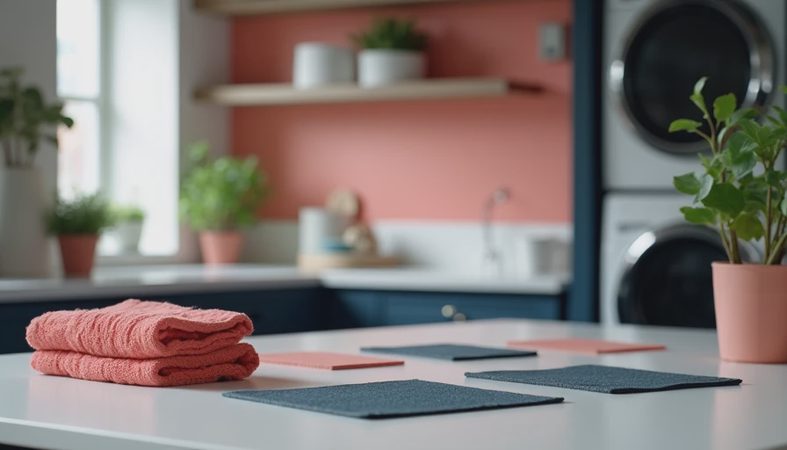
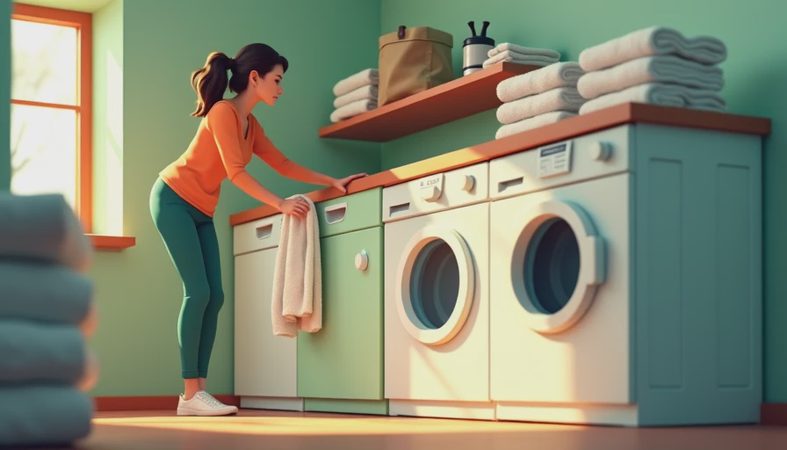
Most laundry room storage ideas begin with a picture of floating shelves and matching baskets. Those are useful, but they are not the first things I look for. After inspecting thousands of water and fire claims, I look for the shutoff valves, washing machine hoses, dryer vent, and the pile of stuff blocking access to all three. Good storage should make the room safer, not simply give clutter a nicer address.
My own laundry room is in the basement of a 1947 colonial in Buffalo, New York. It started as a washer and dryer shoved against unfinished walls, with detergent on the floor and winter coats hanging from exposed pipes. We improved it in stages because a full renovation was not in the budget. The result is not magazine-perfect, but everything has a place and I can reach the emergency shutoff in seconds. That is the standard I recommend.
Start With a Safety-First Storage Plan
Before buying cabinets, sketch the room and mark the water supply lines, drain, electrical outlets, gas line if applicable, and dryer vent. Leave enough clearance to pull the machines forward without dismantling your storage system. A shelf that looks efficient until a hose bursts is not efficient; it is an obstacle during a stressful cleanup.
One of the most useful laundry room storage ideas is a narrow wall cabinet for detergent, stain remover, and cleaning supplies. Mount it high enough to keep products away from young children, but not so high that you need a chair to reach them. Use a cabinet with a solid door rather than open shelves if the room is in a basement. Moisture, dust, and occasional plumbing leaks are hard on cardboard packages and powdered products.
Do not store paper towels, cardboard boxes, or spare linens directly beside the dryer. Keep the area around the dryer clear, especially behind it. Lint is combustible, and a crowded alcove makes inspection and cleaning harder. A small metal bin for lint and dryer sheets is a better choice than a fabric hamper sitting against the appliance.

Make a Small Laundry Room Work Harder
In a closet laundry room, use vertical space before adding floor furniture. A 12-inch-deep cabinet can hold detergent and folding supplies without stealing the walkway. Adjustable shelves are worth the modest extra cost because oversized bottles and small spray containers need different heights.
A wall-mounted drying rack is one of my favorite laundry room storage ideas for apartments, mudrooms, and narrow basement rooms. Choose a rack that folds flat when empty. Install it where dripping clothes will not block the machines or land on an electrical outlet. For heavier items, a ceiling-mounted rack can work, but anchor it into framing rather than relying only on drywall hardware.
If your washer and dryer are side by side, a counter above them creates a folding surface and hides visual clutter. Use a moisture-resistant material such as sealed butcher block, laminate, or a solid-surface remnant. Do not fasten the counter so permanently that technicians cannot service the appliances. A removable or hinged design is practical when space is tight.
For a stacked unit, build storage beside it instead of above it. Tall shelving can hold baskets, a handheld vacuum, and extra bulbs, while a slim pull-out cart can use the gap between the machine and the wall. Measure the gap carefully, including baseboards and hoses. Many carts advertised as 10 inches wide need more than 10 inches of usable clearance.
Put Water-Damage Prevention Into the Design
The most expensive laundry room problems often begin with a small, ordinary part: a supply hose, drain connection, or loose fitting. Replace old rubber washing machine hoses with braided stainless steel hoses and inspect them periodically. Do not bury the connections behind permanent cabinetry. You want to see swelling, rust, or mineral buildup before water is running across the floor.
A recessed washer box can make a renovation cleaner and create a flatter wall for cabinets, but installation should follow local plumbing requirements. Automatic water shutoff devices are another useful upgrade, especially for machines on an upper floor or in a finished room. They can detect unexpected flow and close the supply, though they still need testing and fresh batteries when applicable.
One of the more practical laundry room storage ideas is a shallow tray or labeled bin for leak-response supplies. Keep absorbent towels, a flashlight, work gloves, and the appliance manual nearby. Store the main water shutoff information on the inside of the cabinet door. During a nighttime leak, nobody wants to search through holiday decorations for a flashlight.
Basement rooms need extra attention to moisture. Keep storage at least a few inches off the floor using plastic shelving or a raised platform. Avoid sealed wood boxes against cold foundation walls, where condensation can collect unseen. A basic moisture meter can help identify a damp wall before paint bubbles or mold odors announce the problem.
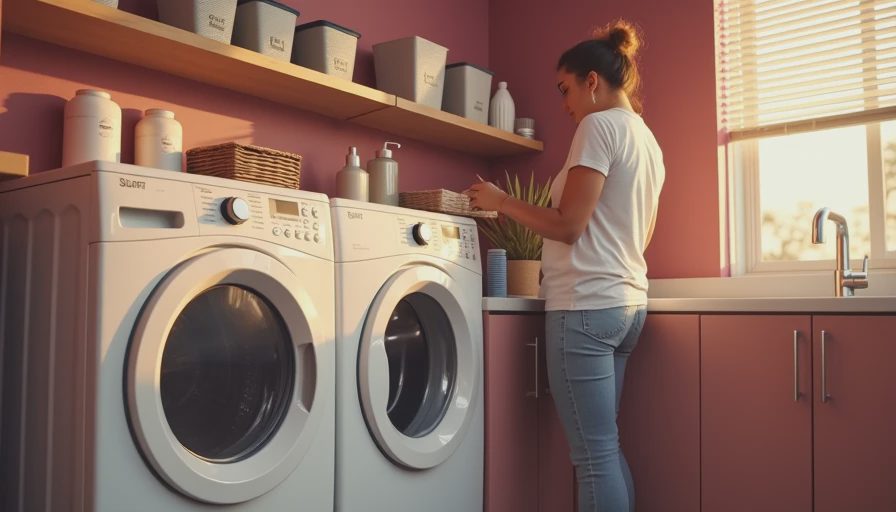
Control Lint, Heat, and Everyday Clutter
Your dryer needs a clear path for exhaust air. The vent should terminate outdoors, and the duct should be accessible for cleaning and inspection. Flexible plastic or foil ducting is a poor choice; rigid or properly installed semi-rigid metal ducting is generally safer, subject to local requirements and the appliance instructions. Never use the dryer as a shelf for baskets, folded clothes, or cleaning bottles.
Use a lidded metal container for stain-removal rags or oily cleaning cloths. Do not pile them beside a heat-producing appliance. Keep an ABC fire extinguisher accessible and learn how to use it, but do not treat it as a substitute for cleaning the lint screen after every load.
A folding station can double as storage when designed with restraint. Choose two or three labeled bins for items that usually wander: unmatched socks, air-dry clothing, and items waiting for repairs. A family of four does not need twelve baskets in a room the size of a hallway. Too many containers create another sorting job.
Choose Materials That Survive Laundry Rooms
Laundry rooms are damp, hardworking spaces, so ordinary living-room furniture often fails quickly. Powder-coated metal shelving, plastic utility cabinets, sealed plywood, and laminate generally tolerate the environment better than unfinished particleboard. If you use wood, seal every exposed edge, especially the bottom edges of shelves near the floor.
This is where laundry room storage ideas should include maintenance access. Leave removable panels around supply lines and the drain. Avoid storing heavy paint cans, seasonal decorations, or cast-iron cookware above the machines. If a shelf falls during vibration or maintenance, it can damage equipment and turn a small repair into a larger claim.
Use labeled bins rather than open piles. Labels should describe the job, not the person responsible: stain treatment, delicate care, extra supplies, and sewing repairs are clear categories. Put frequently used items between waist and shoulder height. Reserve the top shelf for infrequent supplies, and use a stable step stool instead of climbing on the washer.
A Practical Weekend Upgrade Plan
Start by photographing the room and measuring every wall, appliance, door swing, and walkway. Then remove anything that has not been used in the past year. Next, inspect the hoses, lint screen, vent connection, outlets, and visible plumbing. Fix defects before adding storage.
On the first weekend, install one cabinet or shelf, a wall-mounted drying rack, and a small response kit. On the next, add a folding surface or rolling cart if the layout still feels crowded. This staged approach keeps costs manageable. Basic shelves may cost $50 to $150, while a custom cabinet and counter can run several hundred dollars or more depending on materials and labor.
The best laundry room storage ideas reduce decisions, protect access, and make routine cleaning easy. If you can reach the shutoff, inspect the dryer vent, find the stain remover, and sweep behind the machines without moving half the room, the design is doing its job. A room you hate to be in is a room you'll never take care of. Make it safe first, then make it pleasant enough to use.