Reader question this month: “We’re redoing a small laundry closet. Everyone online says stack the washer and dryer to save space. You keep talking about claim files and real failures. Should we stack them or keep them side by side?”
Short answer: it depends on the closet, the machines, and how much you value being able to service them without a full tear-out. Longer answer below, based on the failures I used to adjust and the setup we chose for our own house.
The Space Math Is Real
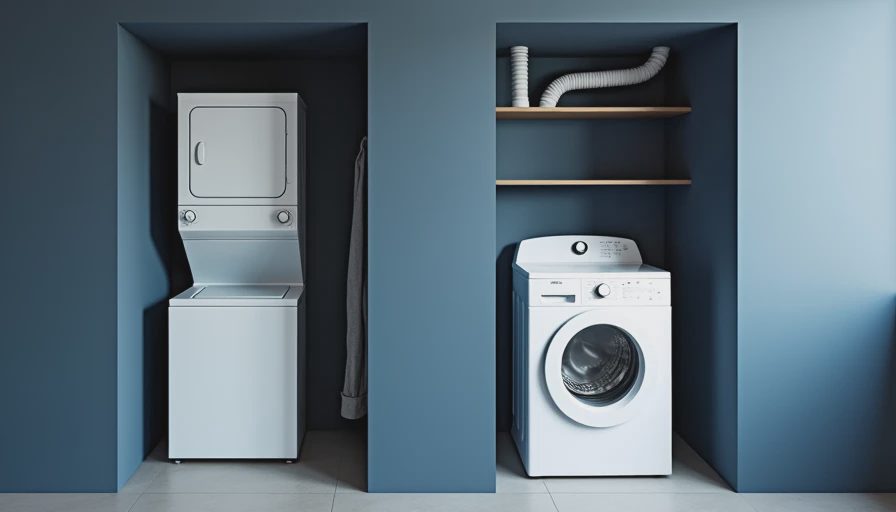
In a true closet laundry—three feet wide or less—stacking is often the only way to fit full-size machines and still close the door. Side-by-side simply does not fit. If that is your situation, stacking is the practical choice. Just go in with your eyes open about the trade-offs.
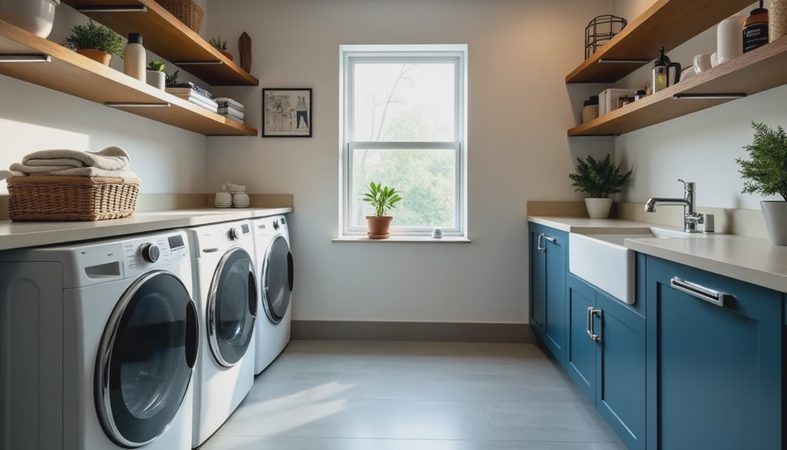
In any space wider than about five feet, side-by-side becomes possible and, in my experience, preferable for long-term ownership.
What Stacking Gets Right
You reclaim floor space. You can often add a narrow counter or folding surface beside the stack. The room looks cleaner in photos. Many modern front-load pairs are designed to stack with a proper kit, and the vibration control has improved a lot since the early days.
If you are renting or know you will move in a few years, stacking can be the higher-utility choice for the footprint you have.
What Stacking Makes Harder
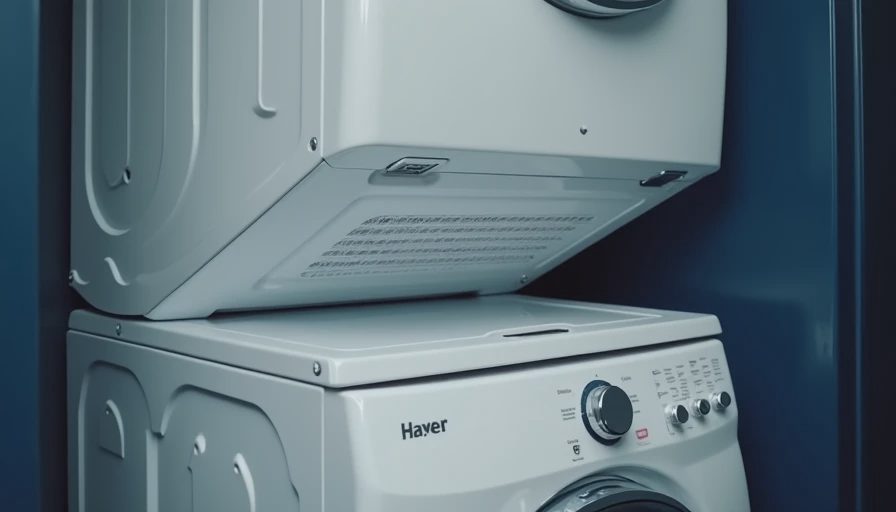
Service access is the biggest issue. When the dryer sits on top of the washer, any repair to the washer usually means unstacking the dryer first. That turns a one-hour pump replacement into a half-day project. I have seen homeowners delay simple repairs for months because the stack made the job feel overwhelming. Delayed repairs turn into larger failures.
Lint management also gets worse. The dryer vent run is almost always longer and includes at least one tight elbow at the top of the stack. Longer runs and extra elbows equal more lint accumulation and higher fire risk if cleaning is neglected. Side-by-side setups usually allow a shorter, straighter vent path.
Water risk is slightly different too. A hose failure or tub overflow on a stacked pair puts water higher up. In a closet, that water has fewer places to go before it reaches the walls and the floor above or below. Side-by-side keeps the water sources lower and usually easier to contain with a good drain pan.
Vibration and Noise
A poorly balanced front-load washer can shake the dryer above it hard enough to walk the whole stack or transfer noise into adjacent rooms. Quality stacking kits and machines with good suspension help, but physics still applies. Side-by-side lets each machine manage its own vibration independently.
What We Chose and Why
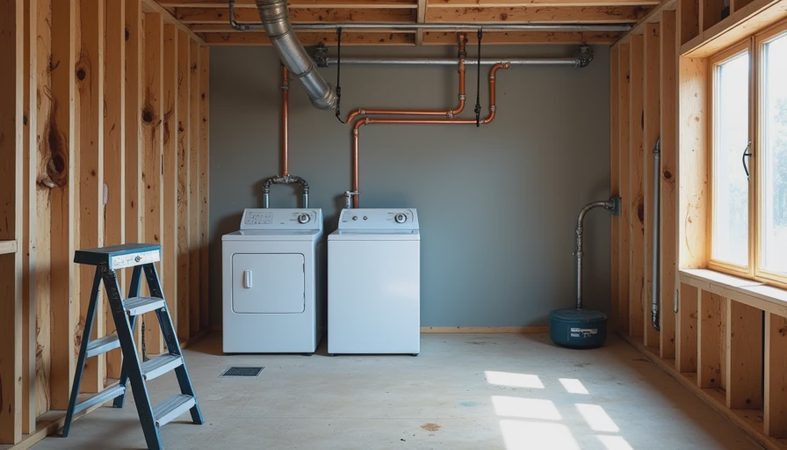
Our basement laundry has enough width for side-by-side, so that is what we built. I wanted full access to both machines without unstacking anything. I wanted the shortest possible dryer vent run. I wanted any future water to stay low and hit the drain pan and floor drain first. The extra floor space was worth more to me than the cleaner visual of a stack.
If we had been forced into a 36-inch closet, I would have stacked—but I would have chosen machines with the best service reputation, installed a proper stacking kit, kept the vent as short and cleanable as possible, and accepted that some repairs would be more painful.
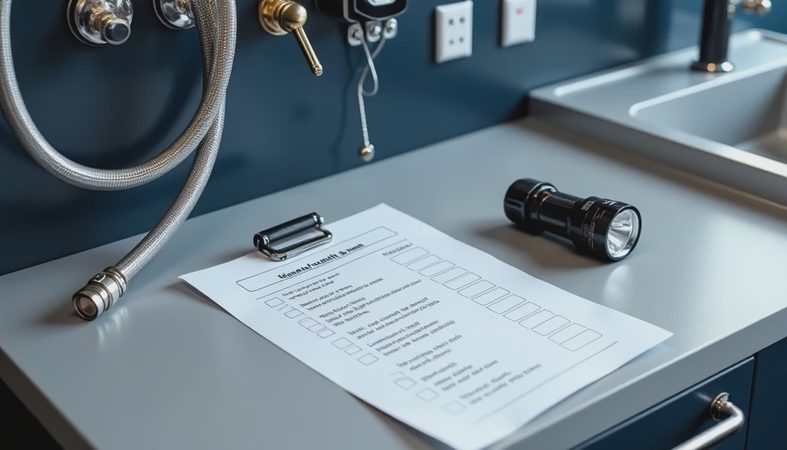
Practical Decision Checklist
Measure the actual finished opening, not the rough opening.
Confirm the dryer vent path length and number of elbows in both configurations.
Ask how the washer is serviced when the dryer is stacked on top.
Decide whether you will still be in the house when the machines are ten years old and need parts.
If stacking, budget for a quality kit and a rigid or semi-rigid vent, not foil.
If side-by-side, make sure you still have room for a drain pan and a bit of counter space.
The Claim-File Perspective
I saw more delayed-maintenance failures on stacked units in closets than on side-by-side pairs in open laundry rooms. The reason was rarely the stacking itself. It was the combination of restricted access, longer vent runs, and the psychological barrier to doing simple work. People put off cleaning the vent or replacing a hose because it felt like a bigger job than it should have been.
Stacking does not cause claims. Neglect does. Stacking just makes neglect easier.
If your space forces a stack, do it carefully and stay on top of the maintenance. If your space gives you the choice, side-by-side is the setup I would take every time for long-term ownership and easier claim prevention.
A room you hate to be in is a room you’ll never take care of. Choose the configuration that makes taking care of the machines feel possible instead of like a weekend project every time something needs attention.