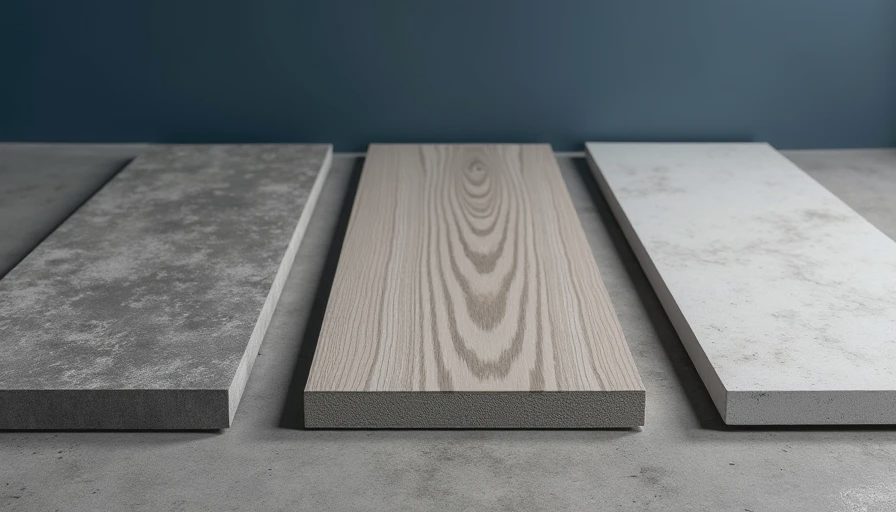
The floor is the one surface that sees everything: water, detergent spills, dropped tools, muddy boots, and the constant vibration of machines. In a laundry room it also has to survive the occasional overflow without turning into a secondary disaster. We looked at three realistic options for our 1947 basement: porcelain tile, luxury vinyl plank, and simply painting the existing concrete. Here is what the decision actually felt like once the numbers and the daily use settled in.
Painted Concrete: The Tempting Baseline
Painting the slab was the cheapest route by a wide margin. Clean it, etch it, apply a good concrete paint or epoxy, done. Material cost for our footprint stayed under $150. Installation was a weekend of unpleasant but straightforward work.
The problems showed up in daily life. Concrete stays cold. In a Buffalo winter the floor felt like a refrigerator even with socks on. Every small chip or scratch exposed the gray slab underneath and collected dirt. Standing for any length of time while folding or pre-treating stains was uncomfortable. And while a good epoxy is more water-resistant than bare concrete, it is still not a material I wanted to trust with a real hose failure.
We rejected painted concrete for the finished room. It remains a legitimate temporary or budget solution if the space is already dry and you are prepared for the cold and the maintenance of touch-up painting.
Porcelain Tile: The Classic Durable Choice
Tile is the traditional answer for wet areas. We priced a mid-grade porcelain that could handle water and abrasion. Material and thinset for the area came in around $6–7 per square foot before labor. With a proper mortar bed or a quality underlayment, the floor would have been nearly bulletproof against water.
The downsides were also clear. Tile is hard underfoot. Dropped detergent bottles or glass jars have nowhere soft to land. Grout lines collect lint and require sealing and periodic cleaning. In a basement the installation would have needed careful attention to the slab’s minor cracks and movement. Labor costs would have pushed the total well above the vinyl option.
I like tile in bathrooms and mudrooms. For a laundry room where we stand, drop things, and occasionally spill, the hardness and the grout maintenance tipped us away from it.
Luxury Vinyl Plank: The Compromise That Won
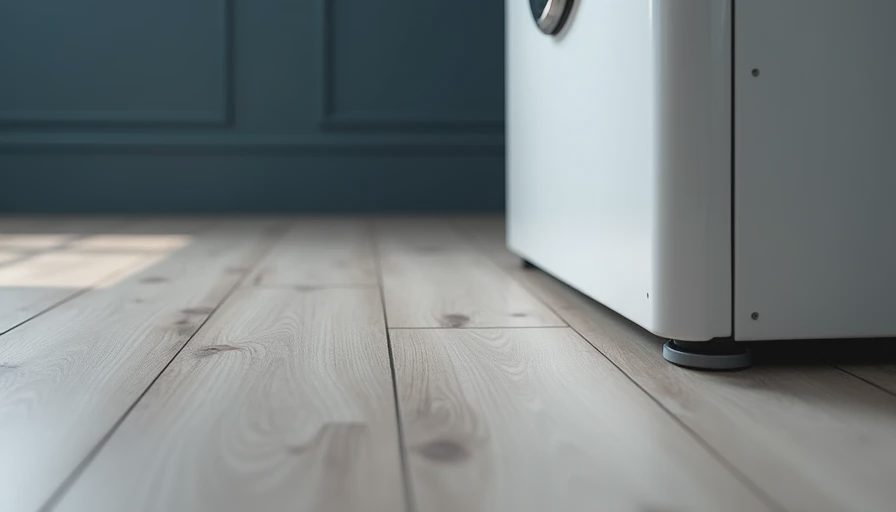
We chose a mid-grade rigid-core luxury vinyl plank rated for wet areas. Material cost landed around $3.50–4.00 per square foot. Installation over a properly prepared slab with a quality underlayment was faster than tile and produced a warmer, quieter surface.
Daily use has confirmed the choice. The floor is warmer than concrete in winter. Standing for twenty minutes folding clothes does not leave my feet aching. Small spills wipe up without drama. The locking joints have stayed tight through a full heating season and the normal expansion of a basement environment. When (not if) a future overflow happens, the vinyl will not swell like laminate and will give us time to shut the water off and dry things out.
It is not indestructible. A sharp dropped tool can dent it. Extreme standing water over many hours is still a risk if the seams are compromised. But in the real range of laundry-room abuse it has performed exactly as we needed.
Cost Snapshot for Our Footprint
Rough numbers for a 6×8-foot laundry zone (2026 pricing, materials only):
Painted concrete: ~$100–150
Luxury vinyl plank: ~$200–250
Porcelain tile: ~$350–450
Labor would widen the gaps further, especially for tile. We installed the vinyl ourselves over a weekend once the new drain and concrete patch were ready.
What I Would Tell Someone Starting Over
If the budget is truly minimal and the room is already dry, paint the concrete and plan to upgrade later. If you want maximum water resistance and do not mind hard surfaces and grout, tile is still an excellent long-term choice. For most households that want a balance of comfort, water tolerance, cost, and ease of installation, rigid-core luxury vinyl is the practical winner.
Whatever you choose, pitch the floor toward a working drain if you can. No flooring material turns a flood into a non-event, but a floor that helps water leave the room buys you critical time.
We have now lived with the vinyl through a full year of real laundry, sports gear, and one minor overflow that the drain pan and floor drain handled. I still check the edges and the moisture meter readings around the perimeter. Old adjuster habits. The floor itself has given me no reason to second-guess the decision.
A room you hate to be in is a room you’ll never take care of. A floor that is cold, hard, or constantly collecting grime in the grout is one more quiet reason to rush through the work and ignore small problems. Choosing a surface you can stand on comfortably and clean without resentment makes the rest of the maintenance easier to keep up with.