If you are figuring out how to organize laundry room space in a basement, closet, or mudroom, start with the boring stuff first. I spent ten years as a property claims adjuster, and the rooms that caused the worst messes were never the pretty ones. They were the cramped ones with cheap hoses, bad ventilation, no place to put detergent, and a floor that stayed damp long enough for mold to move in. A room you hate to be in is a room you'll never take care of, and laundry rooms prove that every week.
The good news is that this does not require a full gut remodel. Most homeowners can make a laundry room safer and easier to use with a better layout, a few moisture controls, and storage that matches real life instead of showroom photos. Think in zones: wash, dry, fold, stash, and clean up. When each zone has one job, the room feels bigger even when the square footage does not change.
Start With the Room's Job, Not the Decor
Before you buy shelves, stand in the room with the washer door open, the dryer door open, and a laundry basket in your hand. Leave enough room to move without scraping knuckles or blocking a walkway. If the machines sit side by side, you want space to reach the controls, open the lid or door fully, and pull a basket through without doing a sideways shuffle. In a tight room, even six extra inches on the wall that faces the machine can change the whole experience.
This is also where measurements save money. People buy cabinets too deep, hampers too wide, and folding tables that leave no standing room. I would rather see a plain laminate shelf that works than a butcher-block island that turns into a catchall. If you are trying to organize the room on a budget, measure the path from the door to the machines, then buy to that path. The room should make laundry easier, not force you to plan a route like you are moving furniture.
How to Organize Laundry Room Storage Around Water and Power
The smartest answer to how to organize laundry room storage around the machines is to keep the wet stuff low and the electrical stuff clear. A washer supply line should be a braided stainless hose, not a rubber hose from the discount bin. Braided hoses are inexpensive, often around twenty to forty dollars, and they are one of the easiest upgrades you can make. If the washer sits upstairs or over finished space, a drain pan under the machine is cheap insurance too.
If a utility sink lives in the room, give it its own clear landing zone for stain spray, dish soap, and a scrub brush. Do not crowd outlets with baskets or bottles. Keep the dryer vent path straight and short if you can, because long, kinked runs collect lint and make the dryer work harder. A basic wall outlet, a proper GFCI where required, and a bright ceiling light do more for daily use than a decorative sign ever will.
Storage That Survives Detergent Spills, Wet Hands, and Heavy Baskets
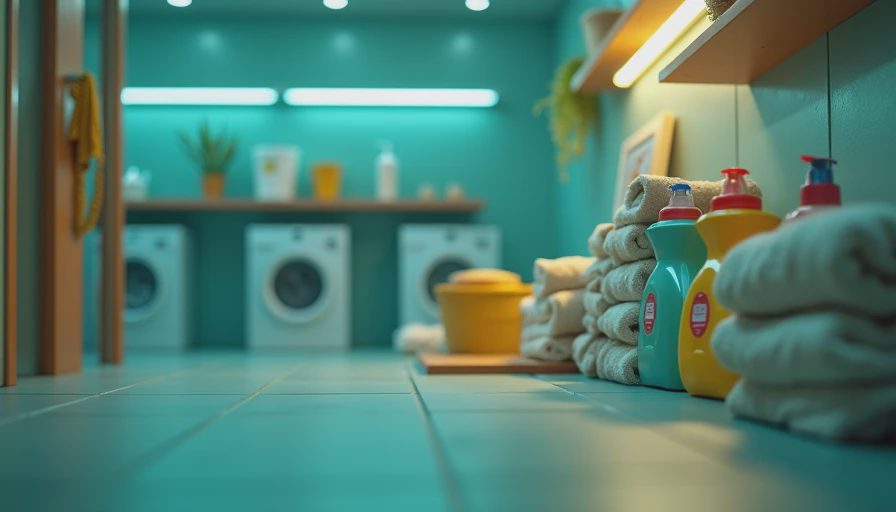
Laundry rooms get wet, dusty, and heavy-use fast. That means open shelves should hold the light stuff and closed cabinets should hold the ugly stuff. Store detergent pods, stain remover, dryer sheets, and sewing kits in lidded bins or upper cabinets so they are not collecting lint on open shelves. Adjustable shelves are worth paying for because a tall detergent bottle and a stack of towels do not need the same space.
If you have kids or pets, put anything that could be mistaken for candy or a toy in a higher cabinet with a latch. I also like a small pull-out bin for missing socks, loose buttons, and coins. It sounds minor until you stop finding little piles on top of the dryer. For baskets, choose one for dirty whites, one for colors, and one for towels or bulky loads. That is enough for most families. More bins usually means more sorting and more clutter.
A simple folding surface near the machines helps more than a giant countertop across the whole wall. A thirty-inch-deep counter can be a blessing in a large room, but in a narrow one it becomes a hip bruise waiting to happen. Use only the surface you actually need.
Make the Room Easier to Use on a Weeknight
A room can be technically organized and still feel miserable. If the light is dim, the floor is slippery, and the labels are hard to read, nobody keeps it neat. Swap a yellowed bulb for bright LED lighting, and if the room has no window, consider a motion light at the door. Add a washable rug only if it will not block a drain or trap water under the washer.
The little workflow details matter. Hang a drying rack where wet clothes can drip into a sink or onto a hard floor, not onto drywall. Keep stain remover near the hamper, not across the room. Put a small trash can where dryer lint can go immediately instead of collecting on the counter. If folding happens in the laundry room, keep the folded-stack zone separate from the sorting zone so clean clothes do not end up under a pile of socks and dryer sheets.
A Realistic Small Basement Laundry Room Plan
In a 1947 basement, I usually want the machines against the driest wall, the dryer vent as short and direct as possible, and the washer on a level surface with room for a drain pan if the setup calls for it. If the room is cold, a dehumidifier can help in humid months, but it is not a substitute for fixing a leak or a damp foundation wall. A moisture meter is cheap, and I use one when a room smells off or the paint starts to bubble near the floor.
This is where people often overspend on finishes and underspend on the things that prevent claims. A midrange washer hose kit, a sump of good lighting, a wall cabinet, and a better vent cleaning schedule will do more for you than marble-looking countertops in a damp basement. I have seen laundry rooms with beautiful paint and a failed hose hidden behind the machine. The paint survived. The floor did not.
What I Would Buy First on a Tight Budget
If the budget is thin, I would start with braided washer hoses, then dryer vent cleaning, then storage that keeps the floor clear. After that, I would add one bright light, one cabinet or shelving unit, and one dedicated hamper per load type. Those are not glamorous upgrades, but they make the room faster to use and easier to inspect after a wash cycle.
If you are still wondering how to organize laundry room space, think like a claims adjuster for one afternoon. Protect the floor, keep the vent clean, keep chemicals off low shelves, and make the path from hamper to machine to folding area simple. That is the kind of setup that lasts, because it helps on the days when nobody feels like doing laundry at all.