When someone searches for laundry room near me, they usually want one of two things: a nearby laundromat with working machines, or a better way to handle laundry at home. I understand both searches. As a former property claims adjuster, I have seen basement laundry corners flood at 2 AM, dryer lint ignite inside walls, and poorly ventilated rooms grow mold behind the utility sink. Convenient is good. Safe and maintainable is better.
What the search may really mean
If your washer is broken, your apartment machine is too small, or you are between homes, a local laundromat is the fastest answer. Look for clear operating hours, visible machine pricing, well-lit parking, folding tables, and enough large-capacity washers for bedding. A laundromat charging $3 to $8 for a standard wash and several dollars more for a large machine is common, although local prices differ. Ask whether attendants are present, whether payment is by coin, card, or app, and how the business handles machines that fail mid-cycle.
A pickup-and-delivery laundry service can make sense for busy families. Typical pricing is often based on a minimum order or a per-pound rate, with additional charges for rush service, stain treatment, or hang-drying. Read the terms before handing over wool, uniforms, or delicate garments. The cheapest option is not useful if clothes return damaged or if a missed delivery leaves you without work clothes on Monday.
For homeowners, however, the search may signal a renovation problem. You might be tired of carrying baskets down unfinished basement stairs, sharing a tiny closet with a water heater, or waiting hours for one ancient washer. That is when it helps to stop searching only for a laundry room near me and start evaluating the room you already own.
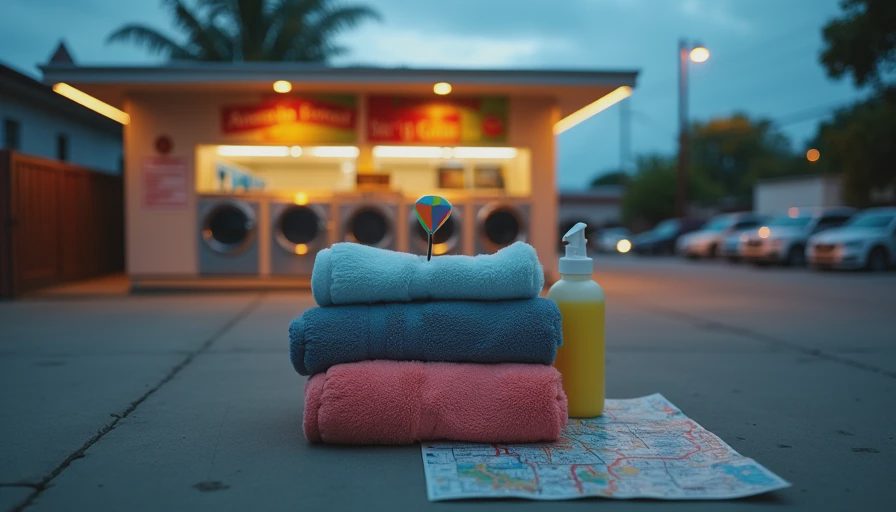
How to judge a nearby laundromat
Before committing to a location, make one short visit without a full load. Check the floor beneath the washers for standing water, soft flooring, or a sour mildew odor. Those signs do not prove a problem, but they tell you the room is not being maintained well. Look at dryer vents and lint screens. Screens should be clean, and the area around each dryer should not be coated with lint.
Clean folding surfaces, working restroom facilities, bright lighting, and cameras are practical details, not luxuries. If you will wash comforters, confirm that the largest machines are actually available and that dryers can handle bulky items without overheating. A reliable location should display contact information for refunds and equipment repairs.
I would also compare total trip cost. A $4 wash can become expensive when it requires a 20-mile round trip, paid parking, and an hour of waiting. Search results are a starting point, not a guarantee. Reviews can reveal recurring complaints about broken machines, but visit in person before making that place your regular laundry room near me choice.
Building a safer laundry area at home
The washer supply lines deserve immediate attention. Replace old rubber hoses with braided stainless-steel hoses, and inspect the connections for corrosion or seepage. Rubber hoses are inexpensive, but they are a recurring source of preventable water damage. Use properly installed shutoff valves, avoid cramming the machine tightly against the wall, and leave enough space to inspect the connections.
A washing machine pan can help contain a small leak, but it will not stop a failed hose from releasing gallons of water. If the washer sits on an upper floor, a pan connected to a drain is especially useful. An automatic water-shutoff device can detect unexpected flow and close the supply, making it one of the more valuable upgrades for a second-floor laundry closet.
The dryer needs equal attention. Clean the lint screen after every load, inspect the exhaust duct periodically, and keep the vent as short and straight as the layout allows. Flexible plastic or foil ducting is a poor choice; use an approved rigid or semi-rigid metal duct where permitted. Never run a dryer while sleeping or while the house is empty. Those habits cost nothing and address the fire risks I saw repeatedly in claims.
Layout choices that reduce daily frustration
A workable laundry area needs a clear path, a stable floor, lighting, and ventilation. Put the washer and dryer where you can reach shutoff valves without moving cabinets. If you add a counter above front-load machines, make sure it can be removed for service. A beautiful built-in that traps the washer in place becomes a repair bill later.
For a basement, consider moisture-resistant flooring such as sheet vinyl or properly installed luxury vinyl plank. Keep cardboard boxes, paper products, and spare linens off the floor. A basic dehumidifier can help, but it is not a substitute for repairing foundation seepage, a leaking drain, or inadequate exhaust. If the room has a utility sink, seal plumbing penetrations and check the wall behind it for dampness.
Space does not have to be large. A 30-inch-wide closet can work for stacked machines if the doors, electrical supply, ventilation, and service clearances are planned first. In a larger room, a folding counter at 36 inches high is comfortable for many people, while a hanging rod above it prevents shirts from landing in a basket wrinkled and forgotten.

Budgeting for the fix instead of the picture
A basic laundry refresh might include braided hoses, a new metal vent, improved lighting, shelving, and moisture-resistant flooring. Depending on whether you do the work yourself, that can range from a few hundred dollars to several thousand. Moving plumbing, adding a drain, upgrading electrical service, or finishing basement walls can quickly push the project higher.
Spend first on failure prevention. A $25 hose is less exciting than open shelving, but it addresses a genuine loss source. A $40 lint brush and a properly cleaned vent are more valuable than decorative signs. If you hire someone, get written scope details for plumbing, electrical work, ventilation, and any required permits. Do not cover an access panel simply because the finished photograph looks cleaner.
Think about insurance while planning. Homeowners insurance generally does not pay for gradual seepage, neglected maintenance, or the cost of replacing a failed appliance itself, although resulting damage can be covered depending on the policy and facts. Documentation helps: photograph connections, save receipts, and keep model information for the washer, dryer, and shutoff device.
A practical search and inspection checklist
Start by deciding whether you need immediate washing capacity or a permanent improvement. For immediate needs, search laundry room near me, compare hours and machine sizes, and call before carrying three bags across town. For a home project, photograph the existing plumbing, measure every wall, identify the electrical panel location, and locate the main water shutoff.
Then inspect the floor, hoses, drain, vent, and surrounding walls. Run the washer while watching every connection. Listen for unusual dryer rattling and check airflow at the exterior vent. If you smell burning lint, see active water, or find damp drywall, stop using the equipment until the cause is corrected.
A room you hate to be in is a room you'll never take care of. Make it bright, reachable, and easy to clean. Whether you use a local laundry room near me or improve the one in your home, the best setup is the one that saves time without creating a water or fire claim. Convenience should be part of the design, but prevention is the feature that matters most.