Searching for laundry room renovation near me usually starts with attractive cabinets, a folding counter, or a picture of a bright room with subway tile. Those details matter, but after a decade handling property claims, I start somewhere less glamorous: Where will the water go when something fails? A well-planned laundry room should be easy to clean, properly ventilated, and built to limit damage from a burst hose or dryer fire.
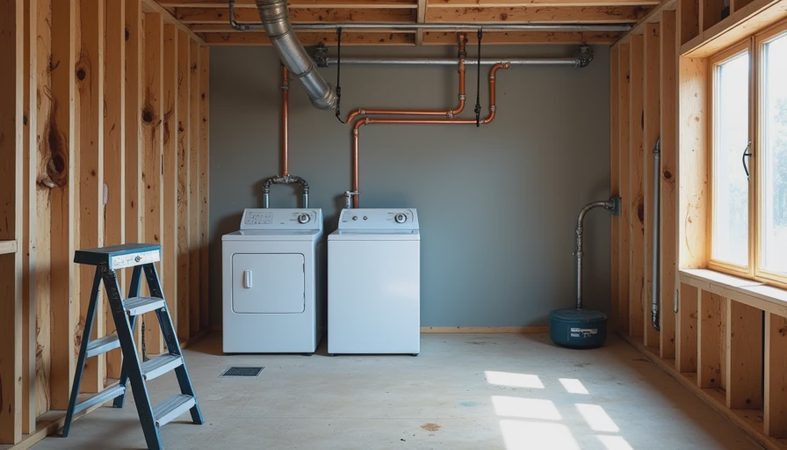
When Rachel and I bought our 1947 colonial in Buffalo, our washer and dryer sat in a dark unfinished basement corner. The floor was uneven, the lighting was poor, and the dryer vent disappeared into a wall with no obvious service access. It was functional in the same way a lawn chair can be functional indoors. We wanted a room that made laundry easier without creating a new insurance problem.
Start with the water and fire risks
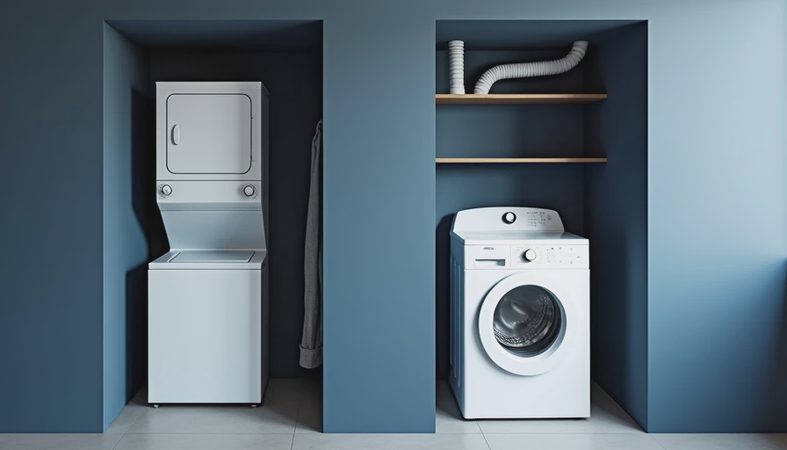
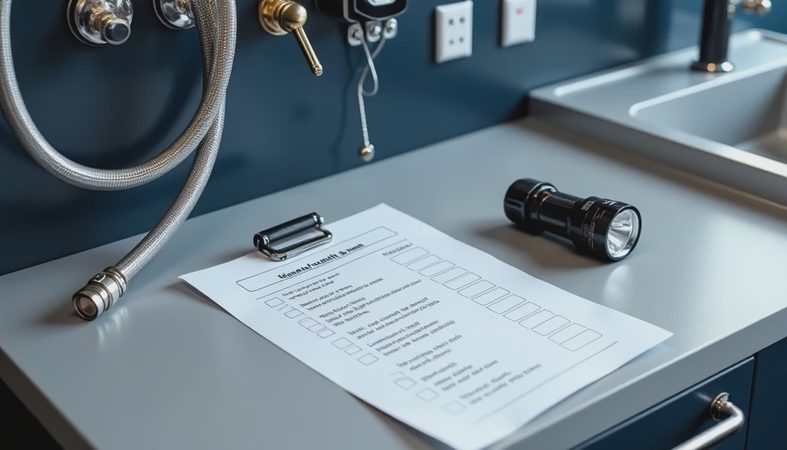
The washing machine is the biggest water concern. Never install rubber supply hoses as a permanent solution. Replace them with braided stainless-steel hoses, inspect the connections for corrosion, and leave enough space to shut off the valves quickly. A recessed washer box can make the controls accessible while keeping the machine closer to the wall. If your home has a second-floor laundry area, a drain pan connected to a suitable drain can provide another layer of protection, though it is not a substitute for sound plumbing.
A laundry room renovation near me should also include a plan for the dryer. Clean the lint screen after every load, use a rigid or properly supported metal vent, and make sure the exhaust terminates outdoors. Flexible plastic or foil ducting can collect lint and restrict airflow. Do not hide a crushed vent behind the machine just to gain an inch of space. That small shortcut can contribute to overheating, longer drying cycles, and a much more serious fire risk.
Flooring deserves practical attention. Luxury vinyl plank is popular because it handles routine splashes and costs roughly $3 to $8 per square foot installed in many markets. Tile is durable but can feel cold in a basement. If you use laminate, confirm that the product and installation method are appropriate for a moisture-prone room. Put the machines on a level surface, and consider a water-sensing shutoff device if the layout and plumbing permit one.

What a realistic renovation budget includes
The cost of a laundry room renovation near me can range from about $4,000 for a modest refresh to $20,000 or more for plumbing relocation, new electrical work, cabinets, drywall, flooring, and ventilation. A simple basement setup might need paint, lighting, braided hoses, a new vent, shelving, and a utility sink. A first-floor conversion can become far more expensive when a contractor must open walls, reinforce flooring, move drain lines, or install a dedicated circuit.
Get separate prices for the work instead of accepting one vague total. Ask the contractor to identify demolition, plumbing, electrical, ventilation, cabinetry, flooring, permits, and cleanup. That makes it easier to compare bids from a local independent remodeler, a design-build company, or a larger provider such as Re-Bath or another established remodeling franchise. Brand recognition does not replace a detailed scope of work.
Keep a contingency of at least 10 to 15 percent for an older house. In my own basement, the visible problem was the laundry corner; the surprise was brittle wiring and a drain line that had been modified years earlier. Those discoveries were not exciting, but finding them before closing the wall was much cheaper than discovering them after a leak.
Questions to ask before hiring anyone
When comparing results for laundry room renovation near me, look beyond the gallery photos. Ask who will pull required permits, who performs the plumbing and electrical work, and whether the company carries general liability insurance and workers' compensation coverage. Request current references for projects similar to yours, especially basement or second-floor laundry installations.
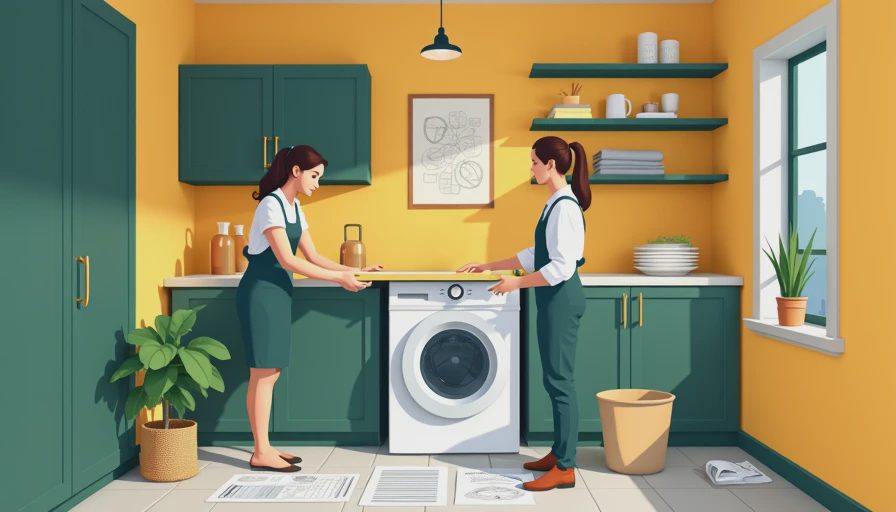
A good contractor should be willing to explain the dryer vent route, access panels, shutoff locations, floor transitions, and service clearance. The washer and dryer need room to be removed without dismantling cabinets. Leave space above the units for hoses and ventilation, and avoid building a countertop so tightly that a replacement appliance will not fit.
Put payment milestones in writing. A common structure is a deposit, a payment after rough plumbing and electrical work, another after cabinets or flooring arrive, and a final amount after inspection and cleanup. Avoid paying the entire balance before the work is complete. Save invoices, permit records, appliance manuals, and photographs of pipes and wiring before drywall is installed.
Make a small room easier to live with
Safety does not require a sterile utility closet. In our basement, we used bright, washable paint and added a wide LED ceiling fixture instead of relying on one dim bulb. A counter over front-load machines created folding space, but we kept the front edges removable so the appliances can be serviced. Open shelving holds detergent in a labeled bin, while a narrow pullout stores stain remover and cleaning cloths away from children.
If your laundry room renovation near me search is really about a cramped closet, prioritize movement over decoration. A 24-inch-deep shelf may look efficient, but it can block the door or make the washer controls awkward to reach. Measure the appliance doors open, not just the machines sitting closed. Include a place for baskets, a landing area for clean clothes, and enough light to spot a slow leak.
A utility sink is valuable if you wash muddy shoes, soak clothing, or keep pets in the house. Install a proper trap and shutoff valves, and use a moisture-resistant wall finish behind it. Ventilation is especially important in a basement. An exhaust fan that vents outdoors, rather than into a ceiling cavity, can help move humid air out of the room.
The insurance details homeowners miss
A laundry room renovation near me should prompt a call to your insurance agent before construction begins, particularly if you are moving plumbing or creating a new finished basement room. Standard homeowners policies often cover sudden, accidental damage under certain conditions, but gradual seepage, poor maintenance, and defective workmanship can be treated differently. Coverage for the failed part itself may not match coverage for resulting water damage.
Take before-and-after photos of supply lines, drain connections, the dryer vent, and electrical panels. Label the main water shutoff and keep a small flashlight nearby. If a leak starts, shut off the water first, stop using nearby electricity if it is safe to do so, and contact the appropriate emergency professionals. Do not run a dryer that smells hot, takes much longer to dry clothes, or has a vent that has not been cleaned.
You can also ask whether a monitored water sensor or automatic shutoff qualifies for an available discount. Discounts vary by insurer and location, so treat them as a possible bonus rather than the reason to buy the device. The primary value is reducing the time between a hose failure and discovery.
A practical final checklist
Before you approve the final payment, run the washer through a full cycle and inspect every connection. Confirm that the drain does not back up, the machine does not walk across the floor, and the shutoff valves are reachable. Run the dryer long enough to confirm strong outdoor airflow. Look for warm outlets, unusual vibration, standing water, soft drywall, and gaps around pipe penetrations.
Confirm that cabinet doors open fully, the folding surface is comfortable, and replacement appliances could fit through the doorway. Save the paint color and flooring information for future repairs. Set a calendar reminder to inspect hoses, clean the dryer vent, and check behind the machines several times each year.
The best laundry room renovation near me is not necessarily the most expensive one. It is the one that gives you light, storage, service access, and a clear response when something goes wrong. A room you hate to be in is a room you'll never take care of. Build a space you can maintain, and laundry day becomes less of a chore and less of a claim waiting to happen.