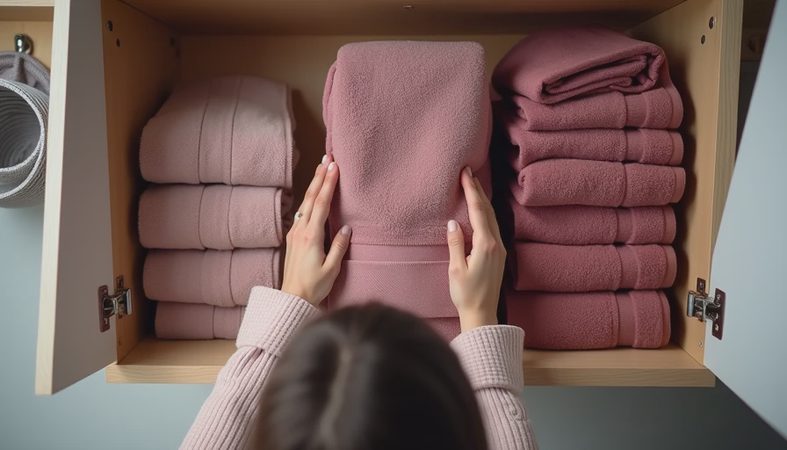
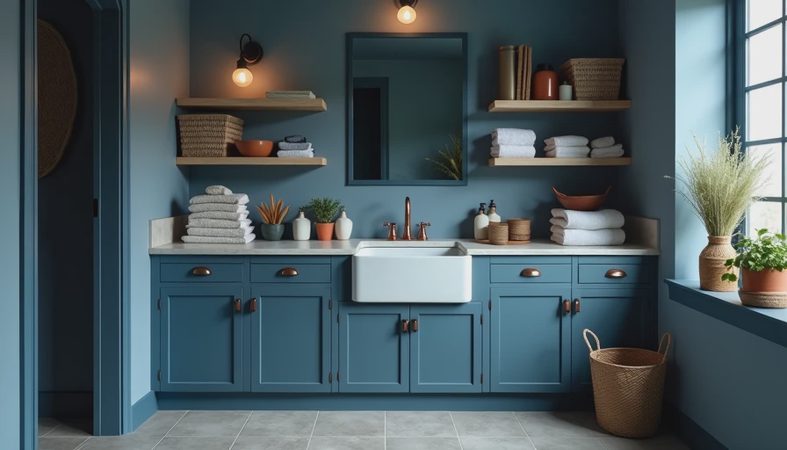
Laundry room shelves can turn a cramped washer-and-dryer corner into a workable room, but only if they are planned around water, heat, and daily abuse. I have seen attractive shelving become swollen particleboard, fallen detergent, and one more item on a homeowner's insurance claim after a hose burst or drain overflowed. The goal is not a showroom. It is a room that stays organized when a family is doing three loads on a Saturday.
When Rachel and I renovated our 1947 Buffalo colonial, our basement laundry area had unfinished block walls, a bare bulb, and nowhere to put anything except on top of the machines. That setup encouraged bad habits: detergent sat beside the sink, cleaning chemicals were within easy reach of the kids, and clean towels ended up on the basement stairs. We added storage only after handling the moisture and utility problems first. That order matters.
Start With the Measurements That Actually Matter
Before buying laundry room shelves, measure the full wall, including baseboards, trim, outlets, water valves, and the path needed to remove the washer. A shelf that fits on paper can block a shutoff valve or make a future appliance replacement miserable. Leave enough clearance for the washer lid or front door to open fully, and do not cover an electrical receptacle that a technician may need.
For a typical side-by-side setup, a shelf depth of 12 to 16 inches holds detergent, folded towels, and baskets without projecting too far into the walkway. Shelves above a front-loading pair often work well at 60 to 72 inches from the floor, depending on the household's height. If children help sort clothes, put everyday supplies lower and use a high cabinet for bleach, pods, and stain removers.
A useful shelf is also strong enough for its intended load. A plastic laundry basket weighs little when empty but can exceed 20 pounds when filled with wet towels. Use a center support or a properly installed cleat on long spans. Drywall anchors alone are not a serious plan for heavy storage.

Choose Materials for Humidity and Leaks
The best laundry room shelves tolerate occasional dampness. Painted solid wood, sealed plywood, powder-coated steel, and moisture-resistant laminate are practical choices. Standard particleboard is inexpensive, but exposed edges swell quickly after a leak or repeated condensation. If you use a melamine system, seal cut edges with suitable edge banding or paint before installation.
Avoid placing unfinished wood directly above a utility sink or washing machine connection. Water has a talent for finding the one unsealed edge in a room. A small lip on a shelf can keep a detergent spill from running straight onto the control panel, while a waterproof tray under bottles makes cleanup easier. Do not store cardboard boxes on the floor; they wick basement moisture and hide early signs of a slow leak.
Ventilation matters as much as the board itself. A dryer must exhaust outdoors through a correctly sized, clean duct, not into the room or a wall cavity. Keep shelves and baskets away from the dryer vent connection so they do not restrict access or trap lint. Lint is not just unattractive dust; it is combustible material.
Build Around the Washer, Not Just Above It
Many laundry room shelves are installed as if the machines were permanent furniture. They are not. Washers vibrate, hoses age, and appliances eventually need service. Leave a clear route to the shutoff valves and avoid a fixed shelf that must be dismantled to pull out the washer. If you want a countertop over front-load machines, make it removable or design access panels around the plumbing.
Use a level ledger or cleat fastened into studs whenever possible. For masonry basement walls, select anchors rated for the shelf material and expected weight. A sagging shelf can pull fasteners loose, damage the wall, or drop bottles onto a machine. Place heavier items near supports instead of loading the middle of a long unsupported span.
This is also the moment to replace old rubber washing machine hoses. I will never recommend them. Braided stainless-steel hoses are a better choice, and an automatic shutoff device can add another layer of protection when it detects unusual water flow. These measures do not eliminate risk, but they can reduce the time water runs before someone notices.

Use Storage to Prevent the Expensive Problems
A $14,000 basement water claim rarely begins with dramatic flooding. It often starts with a small failure that continues overnight. Put a flashlight, absorbent towels, and the main water shutoff instructions where an adult can reach them quickly. Keep the area around the washer visible instead of burying it behind baskets and seasonal clutter.
Laundry room shelves should support inspection, not hide it. Leave enough space to see supply hoses, the drain standpipe, the dryer duct, and the floor beneath the machines. A moisture meter is useful for checking suspicious dampness around baseboards and the back wall. If you see staining, smell mildew, or find a soft section of flooring, investigate before adding more storage.
Store flammable products carefully. Never keep gasoline, solvents, or oily rags in a laundry room, especially near a dryer. Follow label directions for bleach and other cleaners, and do not mix products. Child-resistant packaging is not childproof storage. A high cabinet with a secure latch is a better solution than a decorative open shelf filled with chemicals.
A Practical Layout for Small and Large Rooms
In a narrow closet laundry, one shallow shelf above the machines may be all the room can handle. Add a slim rolling cart between the appliances and wall only if it does not block ventilation or service access. Wall-mounted rails can hold a drying rack, ironing board, or broom without consuming floor space.
In a basement room, combine open shelves with one closed cabinet. Open storage keeps towels and baskets accessible, while the cabinet hides stain-treatment supplies and spare hoses. A 12-inch-deep shelf is usually enough for bottles; a 16-inch shelf is better for folded linens but needs stronger support. Leave an open section for a laundry basket rather than forcing every inch into a cabinet.
For families, assign zones: washing supplies near the washer, clean linens away from the utility sink, and tools or replacement parts in a labeled container. This simple separation reduces spills and makes it obvious when something is missing. A room you hate to be in is a room you will never take care of, so lighting and access are practical safety features, not decoration.
A Claim-Adjuster's Final Check
Before loading your new laundry room shelves, run through the room as if you were inspecting a claim. Can you reach both water shutoffs immediately? Can you see the hose connections? Is the dryer lint screen cleaned after every load, and is the exhaust duct accessible for periodic cleaning? Are heavy shelves attached to framing or appropriate masonry anchors? Are chemicals secured and clearly separated from food, towels, and children's items?
Check the floor after the first several loads. Look for vibration, a slow drip, dampness at the wall, or a shelf that has started to bow. Tighten fasteners only after identifying the cause; a loose connection may signal movement or an overloaded span. Photograph hidden plumbing and electrical work before closing it behind cabinets. Those pictures can help with future repairs and make a claim less confusing if trouble occurs.
Good storage does not need a custom carpenter or a luxury budget. A careful layout, moisture-tolerant materials, strong attachment points, and visible plumbing will outperform a beautiful system that hides every warning sign. Spend first on hoses, ventilation, lighting, and safe access. Then choose the finish you will enjoy seeing every laundry day.