A utility sink is one of those things you do not fully appreciate until you have one, and then you cannot imagine the laundry room without it. Ours gets used for rinsing hockey pads, washing paintbrushes, soaking grass-stained baseball pants, and the occasional dog who rolled in something unfortunate. It needed to be deep, tough, easy to clean, and cheap enough that I would not cry if it got permanently stained.
I bought or borrowed five models under $200, used each for at least three weeks in real conditions, and kept notes. No laboratory tests. Just a Buffalo household with two kids, a paint project, and a lot of muddy sports equipment. Here is how they stacked up.
The Contenders
All five were purchased or sourced at normal retail prices under the $200 mark. I ignored anything that required a full cabinet or custom plumbing beyond a standard drain and supply.
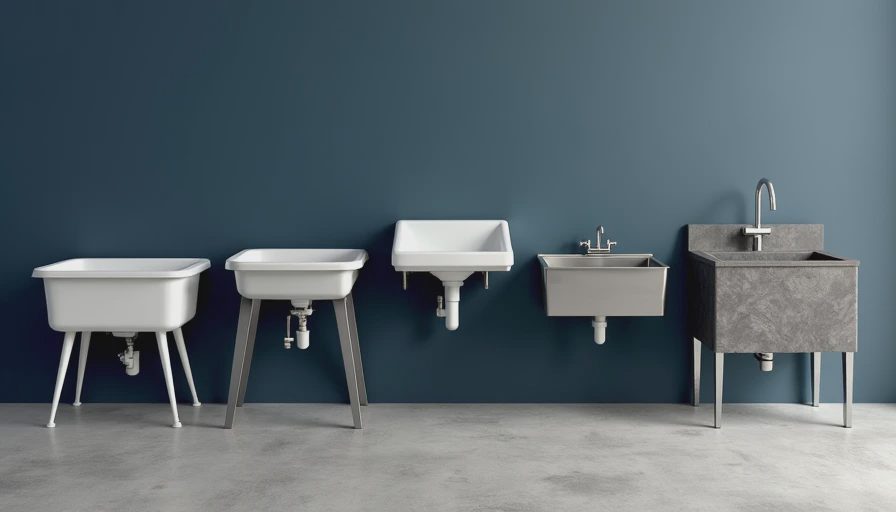
Basic white polypropylene laundry tub on metal legs
Heavy-duty thermoplastic sink with integrated side shelf
Compact stainless-steel wall-mount sink
Composite granite-look utility sink
Deep plastic utility sink with built-in scrub board
Round 1: Depth and Capacity
Hockey pads and a wet golden retriever both demand depth. The basic polypropylene tub and the deep plastic model with the scrub board both cleared 20 inches. The stainless wall-mount was the shallowest at roughly 12 inches and immediately felt limited. The composite model sat in the middle and was fine for paintbrushes but borderline for larger gear.
Winner of the round: the deep plastic sink with scrub board. Second place to the classic polypropylene tub.
Round 2: Cleaning and Stain Resistance
Acrylic paint, grass stains, and whatever the dog found in the yard all went into these sinks. The polypropylene and deep plastic models cleaned up with nothing more than a Scotch-Brite pad and all-purpose cleaner. The composite granite-look surface looked premium for about ten days, then held onto paint pigment in the micro-texture. The stainless model showed water spots and a few scratches from metal bucket edges but did not stain.
Clear winners: the two plastic models. They do not care what you throw at them.
Round 3: Durability and Stability
I leaned on every sink, dropped a full water bottle into each, and let kids use them without supervision. The metal-leg polypropylene tub flexed slightly but never felt unsafe. The deep plastic model with scrub board sat on a small platform we built and felt solid. The wall-mount stainless required proper blocking in the wall; once installed it was rock solid but unforgiving if the blocking was weak. The composite sink developed a hairline scuff that collected dirt.
The thermoplastic model with the side shelf had the most movement at the legs and made me nervous with heavier loads.
Round 4: Faucet and Drain Reality
Several models came with faucets that looked fine in the box and felt cheap in daily use. The plastic aerators clogged fastest. The stainless model accepted a standard metal faucet I already owned and immediately felt better. Drain openings were similar across the board; all accepted a standard basket strainer. I replaced every included plastic strainer with a metal one within the first week.
The Clear Winner
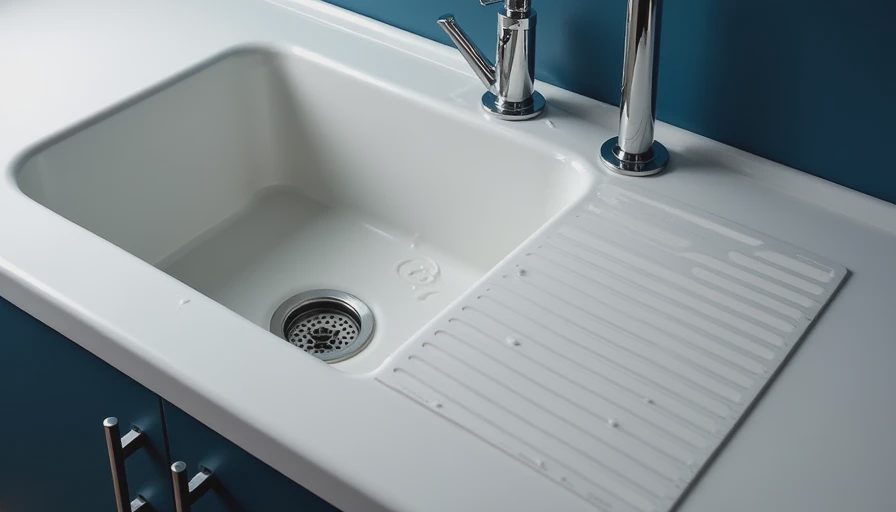
The deep plastic utility sink with the built-in scrub board. It was the second-cheapest of the group, the easiest to clean, deep enough for real work, and tough enough that I stopped worrying about it. We mounted it at a comfortable height, gave it a proper P-trap and air gap, and it has handled everything from paint rollers to post-practice equipment without complaint.
The classic polypropylene tub on metal legs is a very close second and the better choice if you need something that can move or sit freestanding. The stainless wall-mount is excellent if you are short on floor space and willing to do solid blocking. I would skip the composite granite-look model for utility use—its surface is prettier than it is practical. The thermoplastic unit with the side shelf felt the least robust in daily abuse.
What I Actually Recommend You Buy
If you have the floor space and want maximum depth and forgiveness, get the deep plastic sink with scrub board or the classic polypropylene laundry tub. Budget for a decent metal faucet and a real metal drain assembly. Install a proper P-trap and air gap. Put a simple platform or legs under it so the drain line has pitch.
If you are tight on space, the compact stainless wall-mount is the way to go—just do the wall blocking correctly.
Skip anything that prioritizes a “designer” finish over cleanability. This is a utility sink. It should look like it can take a beating, because it will.
We have now lived with the winner for months. It is not Instagram-pretty. It is the reason the upstairs bathtub is no longer the default rinse station for muddy gear, and that alone made the small investment worth it.
A room you hate to be in is a room you’ll never take care of. A sink that actually handles the dirty jobs makes the whole laundry space easier to live with—and a lot less likely to send you upstairs looking for the next-best alternative.