Ceiling-mounted pulley clothesline systems are one of those things that look charming in old photos and feel like a chore in daily life. We inherited one in the 1947 basement. It worked. It also required two hands, a clear path, and the willingness to duck under damp shirts every time you needed something from the far corner of the room. After one winter of using it alongside modern alternatives, we retired it for good.
I tested a mix of freestanding racks, wall-mounted fold-down racks, and retractable lines over a full heating season. The goal was simple: dry the items we prefer not to put in the machine (delicates, heavy sweaters, certain sports gear) without turning the laundry room into an obstacle course.
The Classic Pulley System: Nostalgia vs. Reality
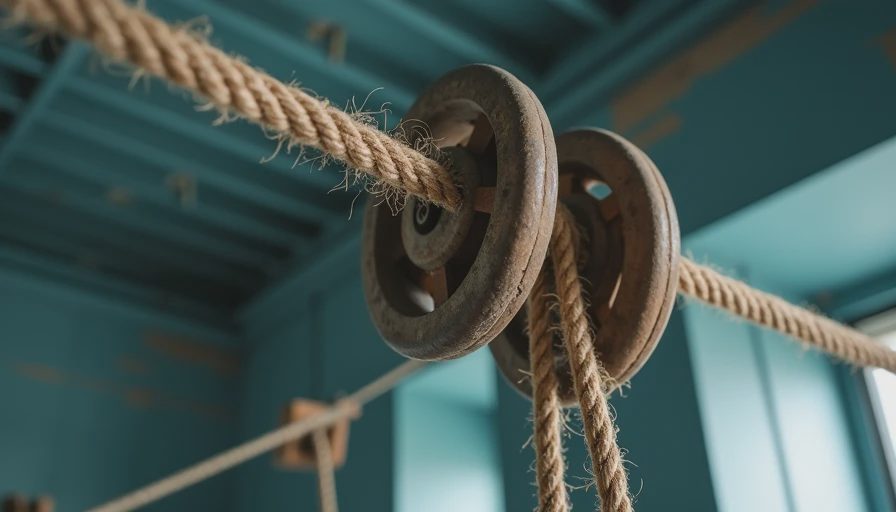
The old ceiling pulley setup could hold a surprising amount of laundry. That was its only real advantage. Lowering and raising the lines required care so the whole load did not tilt and dump everything on the floor. Once raised, the damp clothes hung at a height that blocked light and movement. In a basement with already limited headroom, it made the space feel smaller and harder to work in.
Lint and dust collected on the lines and pulleys. The ropes stretched over time. And every use required a small ritual that felt out of proportion to the task. We kept it functional until the new drying options proved they could replace it. Then the pulleys came down.
Freestanding Drying Racks
We tried three freestanding models: a basic folding wooden rack, a larger metal tower with multiple tiers, and a sturdy plastic-coated model with wheels.
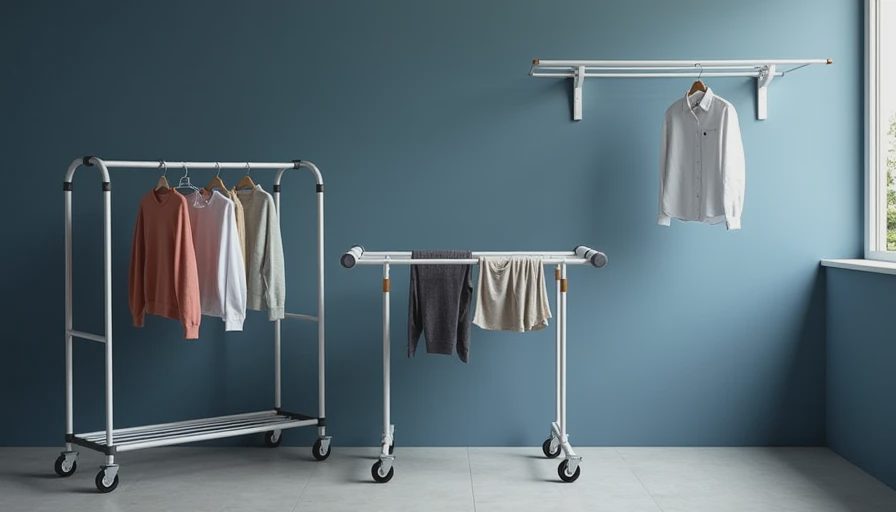
The wooden rack was quiet and gentle on clothes but felt light and tipped if loaded unevenly. The metal tower held the most and used vertical space well, yet it was noisy to open and close and collected lint in the joints. The plastic-coated wheeled rack became the daily driver. It rolled out when needed, held a full load of sweaters and delicates, and tucked against the wall when not in use. In a Buffalo winter it also served as a place to dry wet gloves and hats near the heat source without blocking the room.
Freestanding racks win on flexibility. They lose if floor space is extremely tight or if you need to dry large items like blankets on a regular basis.
Wall-Mounted Fold-Down Racks
A quality wall-mounted fold-down rack turned out to be the highest-use item after the wheeled freestanding model. Mounted on the wall beside the utility sink, it folds flat when not needed and drops down to provide several parallel bars at a comfortable height. We use it for shirts, pants, and anything that benefits from hanging rather than lying flat.
Installation required solid blocking in the wall. Once mounted, it has stayed rigid and level through months of use. The ability to get it completely out of the way is the feature that made it superior to the old ceiling system for daily life.
Retractable Clothesline Systems
We installed a single retractable line near the ceiling on the long wall. It pulls out when needed and locks at the far end. For sheets, lightweight blankets, or a quick line of socks, it works well. For heavier items the line sags more than the old pulley system did, and the retraction mechanism needs occasional cleaning to keep lint from binding it.
Retractable lines are excellent supplements. They are less ideal as the primary drying solution if you regularly hang heavy or bulky items.
What We Actually Kept
The plastic-coated wheeled freestanding rack and the wall-mounted fold-down rack stayed. The retractable line stayed as a secondary option for long items. The ceiling pulley system went to the scrap pile.
The combination covers every drying need we have without permanently occupying the center of the room or requiring a two-handed ritual every time we want to hang a sweater. In a climate where indoor drying is a winter necessity, that flexibility matters.
Practical Buying Notes
Look for racks with enough bar spacing that air can circulate. Avoid ultra-light models that tip. If you choose wall-mounted, confirm you can hit studs or add blocking. For retractable lines, buy a unit rated for indoor use with a reliable lock and a cover that keeps the mechanism clean.
Skip anything that requires permanent ceiling hardware unless you are certain you will use it weekly and have the headroom to spare. The old pulley systems earned their reputation in an era with different expectations about space and convenience. Modern households usually do better with options that appear when needed and disappear when the work is done.
A room you hate to be in is a room you’ll never take care of. Drying systems that turn the laundry room into an obstacle course are one more quiet reason to rush and neglect the space. Choose the versions that support the work without taking over the room, and daily care becomes easier to maintain.