Basement laundry room renovations are usually sold as a style project, but I look at them like risk control. In Buffalo, I’ve seen too many basements turn into damp catchalls with a washer, a dryer, and a slow disaster waiting behind the wall. A room you hate to be in is a room you’ll never take care of, and laundry is already annoying enough without flood stains, lint buildup, and a floor drain that smells like trouble.
If you want this space to work, start with the failures that cost money. Water is the big one, then heat, then poor airflow. A safe laundry room does not need to be fancy, but it does need a washable floor, a real dryer vent, good lighting, and plumbing that won’t turn a Sunday load into a claim file. That is the difference between a room you tolerate and one that actually makes the house easier to live in.
Start with the basement, not the washer
Before you price cabinets or subway tile, test the room itself. If the basement has any signs of seepage, staining, efflorescence, or a musty smell after rain, fix that first. I’ve walked into finished laundry spaces where the owner spent $12,000 on cabinets and trim, then lost half of it when a sump pump failed in a spring storm. That is a brutal lesson, but it is a common one.
In basement laundry room renovations, I spend money first on drainage, dehumidification, and a floor that can get wet without panic. A good dehumidifier, a working sump pump if you need one, and sealed concrete or a waterproof underlayment matter more than decorative shelving. If the basement is chronically damp, ask whether you need crack sealing, a perimeter drain, or at least better exterior grading before the room gets finished.
Build for water where the water actually is
The washer is the main flood risk in the room, so use braided stainless steel supply hoses and consider automatic shutoff valves. Rubber hoses are cheap, but they are also the sort of thing that shows up in a damage report at 2 a.m. A basic hose set may run $25 to $60; a shutoff system can cost a few hundred dollars more, which is small compared with a flooded finished basement.
I also like a pan under the washer if the layout allows it, especially in older homes where nobody knows how long the supply lines have been in place. A floor drain is great when it is properly pitched and actually tied into something functional, but a drain is not a magic fix for a leak. If you have the option, a slight slope toward the drain, closed-cell insulation on cold walls, and mold-resistant drywall in the finished areas will make the whole room easier to maintain.

Ventilation and electrical are not afterthoughts
A dryer vent should move outside through rigid or semi-rigid metal duct, not flimsy plastic tubing. Lint fire claims are ugly because they start small and can spread fast, especially when a vent run is long, crushed behind the dryer, or full of lint at the elbow. I tell homeowners to keep the run as short and straight as possible and to clean it on a schedule, not whenever the dryer starts sounding tired.
Electrical work matters just as much. Dryers need the right dedicated circuit and outlet, and any outlet near a sink should be protected the way your local code requires, usually with GFCI protection. If you are adding recessed lighting, choose fixtures that stay cool and put the switches where wet hands are not likely to reach them. A brighter room is not just nicer; it helps you spot leaks, lint, and mildew before they turn into a headache.
Make the layout easy to use on a tired Tuesday
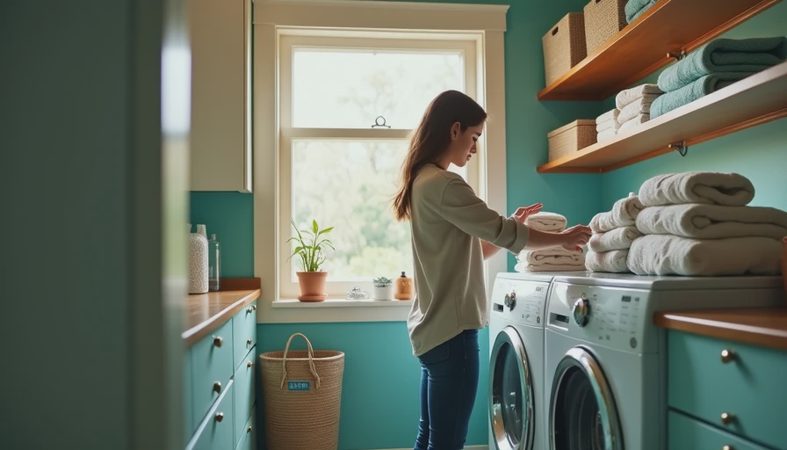
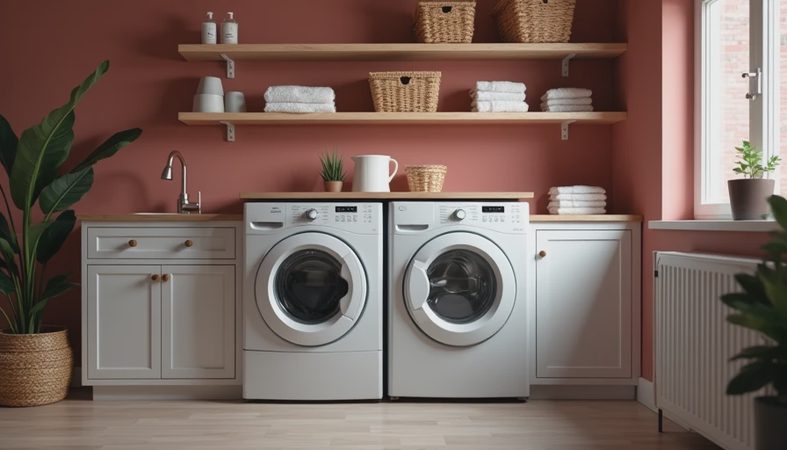
Good laundry rooms are not glamorous. They are practical. Leave enough room to open the washer and dryer doors fully, pull out a laundry basket, and sort a load without turning sideways. If the room is narrow, a stacked unit or a side-by-side pair with upper cabinets may work better than trying to cram in a folding island that nobody can walk around.
Think about the route from hamper to machine to folding surface. If you have kids, pets, or muddy sports gear, add a bin or hanging bar near the door so the whole house does not dump into one corner. In basement laundry room renovations, the best layout is usually the one that reduces steps and keeps wet, dirty, and clean items from crossing paths all the time.
Choose finishes that survive moisture and hard use
This is where a lot of projects get dumb. Pretty materials are fine, but they have to tolerate humidity, detergent spills, and the occasional overflow. Porcelain tile, sealed concrete, and luxury vinyl plank with a good underlayment are all more realistic than carpet or soft wood in a basement laundry room. If you want a warmer feel, use rugs that can go in the wash instead of wall-to-wall flooring that traps moisture.
For walls and storage, simple works best. Semi-gloss paint wipes down easier than flat paint. Melamine shelving or quality plywood with a durable finish tends to outlast cheap particleboard in a damp room. If you are shopping appliances, brands like Speed Queen, Whirlpool, LG, and Maytag all make solid options at different price points, but I would choose the machine based on repairability, capacity, and fit before I worry about the logo on the door.
The budget should follow the risk, not the brochure
A modest laundry update in a dry basement might land around $5,000 to $10,000 if the plumbing is already close and you are mostly swapping finishes. Once you add drainage work, electrical changes, ventilation upgrades, and moisture control, it is easy to see $15,000 to $25,000 or more in older homes. That is not a scare tactic. It is what happens when the room needs real infrastructure, not just a prettier face.
If you are trimming scope, cut cosmetic extras before you cut the safety items. Spend on hoses, venting, lighting, and moisture control before you spend on decorative baskets and fancy wallpaper. I have seen too many basement laundry room renovations look finished on day one and feel like a bad idea by the first heavy rain. Do the boring work well, and the room will stay useful for years. If basement laundry room renovations are on your list, build for water first and style second; that is how you avoid the kind of cleanup nobody wants to pay for.