Laundry room cabinets are not just a way to hide detergent and unmatched socks. Planned correctly, they protect supplies from moisture, keep combustibles away from the dryer, and make a cramped room easier to maintain. I spent ten years inspecting property claims, and the most expensive laundry-room problems rarely began with a dramatic renovation mistake. They began with a loose hose, a blocked dryer vent, or a bottle of cleaner stored where a small leak could spread unnoticed.
When Rachel and I renovated the basement laundry area in our 1947 Buffalo colonial, I approached it like a claim file. Where could water travel? What would be difficult to reach after the machines were installed? Could I shut off the washer quickly? The final room is not magazine-perfect, but every cabinet has a job. That matters because a room you hate to be in is a room you'll never take care of.
Start with the hazards, not the cabinet catalog
Before measuring for laundry room cabinets, identify the shutoff valves, drain, electrical outlets, dryer vent, floor drain, and water heater if it shares the room. Leave enough clearance to reach every connection. A cabinet that blocks the washer valves might look efficient on installation day and become a frustrating problem during a midnight leak.
I prefer a continuous countertop beside or above front-loading machines, but it should not prevent the washer door from opening fully. For top-loaders, measure the lid at its widest opening, not just the closed height. Allow room to remove the machines later; repair technicians should not need to dismantle half the room to reach a pump or belt.
Use a moisture meter around the wall behind the washer, especially in a basement. A reading that changes sharply near a baseboard deserves investigation before new cabinetry covers it. Cabinets conceal stains beautifully, which is exactly why hidden leaks can continue longer than they should.

Choosing materials that can handle water and heat
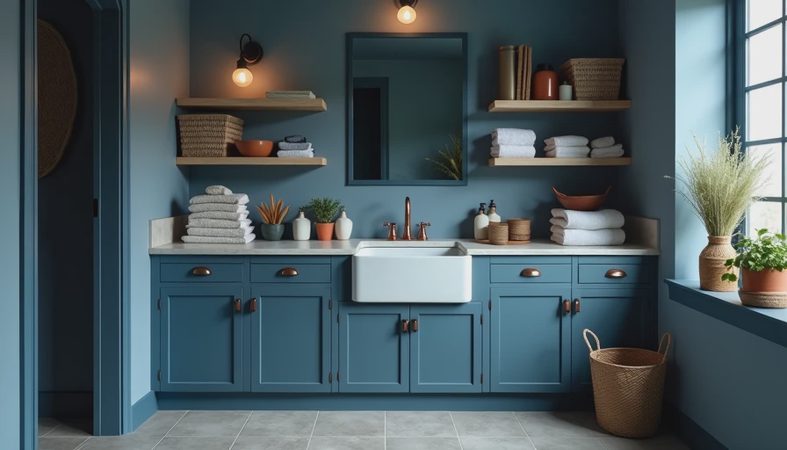
The best laundry room cabinets are built from moisture-tolerant materials with protected edges. Thermofoil, sealed plywood, and good-quality laminate can work well, while inexpensive particleboard swells quickly when water reaches an unsealed edge. That does not mean every plywood cabinet is automatically superior. The finish, edge treatment, sink cutout, and installation details determine how the box behaves.
Ask how the cabinet sides and bottoms are sealed. Pay particular attention around a utility sink, washer drain, and any countertop opening. A small bead of appropriate sealant at a sink rim can prevent repeated splashes from entering the cabinet below. Do not rely on caulk to correct a cabinet that is out of level or a plumbing connection that drips.
For basement rooms, I like cabinets mounted slightly above a potentially damp concrete floor, particularly around a sink. A raised toe-kick or carefully finished base makes mopping easier and gives minor spills less opportunity to soak into the cabinet body. Keep wood products away from direct contact with a floor that has a history of seepage.
Layout ideas for small and busy laundry rooms
A narrow room benefits from vertical storage. Tall laundry room cabinets can hold rarely used items such as extra hangers, seasonal bedding, and a portable ironing board without consuming the counter. Store everyday detergent, stain remover, and dryer sheets between waist and shoulder height so you are not constantly bending or reaching over a machine.
In a closet laundry area, shallow cabinets are usually more useful than deep ones. A cabinet that projects too far can reduce access to the washer door and create a sharp corner in a high-traffic hallway. Use a narrow pullout for spray bottles, a shelf for folding, and a wall-mounted drying rod if the ceiling height allows it.
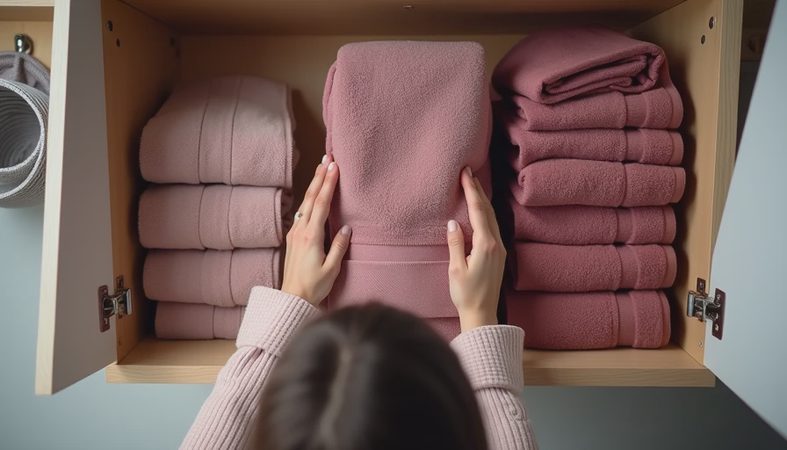
For a family laundry room, divide storage by task. One cabinet can hold cleaning products, another can hold linens, and an open cubby can receive clothes waiting for repair or donation. Keep a small, labeled container for spare appliance parts and shutoff tags. Organization is not decoration here; it helps you notice when a bottle is leaking or a supply is stored too close to heat.

Keep chemicals and fire risks under control
Laundry room cabinets should not turn hazardous products into hidden hazards. Detergent pods, bleach, stain removers, and drain chemicals belong in secure storage away from children and pets. Never store bleach beside ammonia-based products, and do not mix cleaning chemicals. A cabinet latch is inexpensive protection in a room that children may explore while adults are sorting clothes.
The dryer deserves a clear zone. Do not pack baskets, cardboard boxes, paper towels, or spare linens against the back of the appliance. Lint buildup and restricted airflow increase fire risk. Keep the lint screen clean, inspect the flexible transition duct, and use a proper vent route that terminates outdoors. Cabinets should never cover a vent connection or make routine cleaning impossible.
If you install electrical outlets inside or near cabinets, use a qualified electrician and follow local requirements. Laundry rooms combine water and electricity, so outlet placement, grounding, and required protection are not good areas for improvisation. A cabinet installer can make a room look finished; an electrician makes the power arrangement safe.
Budgeting for laundry room cabinets
Stock cabinets can keep a small project near $500 to $1,500, depending on the number of boxes, hardware, and countertop. Semi-custom options often land around $1,500 to $4,000, while fully custom work can exceed that range quickly. These figures exclude major plumbing, electrical work, drywall repair, and appliance relocation. A simple wall of well-installed cabinets is often a better investment than decorative extras that make service access difficult.
Spend first on durable boxes, reliable hinges, finished edges, and a countertop that tolerates water. Save money on specialized inserts you may never use. A basic adjustable shelf and a sturdy hanging rod can solve more problems than an expensive pullout hamper. If the floor is damp or sloped, address that condition before ordering cabinets; otherwise, the new installation can hide a problem rather than fix it.
Get measurements in writing, including appliance dimensions and door swings. Confirm delivery access, whether cabinets arrive assembled, and who is responsible for securing them to wall studs. A cabinet that is heavy with detergent and mounted only to drywall is an avoidable failure waiting to happen.
A practical maintenance routine
Once the room is complete, spend five minutes each month checking the washer hoses, shutoff valves, sink trap, cabinet bottoms, and wall behind the machines. Look for swelling, discoloration, soft flooring, or a musty odor. Replace rubber washer hoses with braided stainless-steel lines, and replace any line that is damaged or more than a few years old. Turn off the water supply when you leave for an extended trip if your setup allows it.
Clean the dryer lint screen every load and inspect the vent periodically. Keep the cabinet contents light enough that shelves do not sag, and leave a clear path to the breaker and water shutoffs. These habits cost little and can prevent a small issue from becoming a finished-basement claim.
The right laundry room cabinets should make maintenance obvious, not bury it behind a pretty facade. Plan around water, heat, access, and the way your household actually works. Then choose finishes you can wipe down and storage you will use every week. The result will look better because it functions better, and that is the kind of renovation that keeps paying you back on laundry day.