Professional dryer vent cleaning is one of those boring jobs that pays you back every time you run a load of towels. I spent years looking at laundry-room claim files, and the pattern was hard to miss: dryers that took forever, vents packed with lint, overheated machines, and the occasional smoke call that started in a room nobody thought about until it was too late. If your laundry setup lives in a basement corner, a hallway closet, or a tight utility room, this is not the place to get casual.
The basic idea is simple. Air has to move freely from the dryer drum to the outside hood. When lint builds up in the duct, the machine works harder, clothes stay damp, and heat stays trapped. That is how a cheap maintenance task turns into a bigger repair bill. A room you hate to be in is a room you'll never take care of, and dryer vents are no exception.
What professional dryer vent cleaning should include
A real visit is more than a guy blowing air at the back of the machine and calling it done. Professional dryer vent cleaning should start with the dryer pulled out far enough to inspect the transition duct, the clamps, and the wall connection. A technician should clean the full vent path from the dryer to the exterior termination, not just the easy part near the machine. On many homes, that means a rotary brush, a high-powered vacuum, or both. If the vent runs to a roof cap or makes several turns, that takes more time and better equipment.
The outside hood matters just as much as the indoor side. I have seen bird nests, stuck flaps, broken screens, and crushed caps that turned the whole vent into a choke point. A good tech checks airflow at the exit, confirms the flap opens cleanly, and looks for signs of moisture or heat damage around the connection. If the service person never steps outside, that is a red flag in my book. Professional dryer vent cleaning should leave you with faster drying times and a cleaner path for hot, moist air to escape.
In a straightforward single-family home, a visit often takes about an hour. Longer runs, second-story exits, and tight utility closets can take longer. That is normal. What you want is a complete job, not a fast one.
Signs you need service sooner than you planned
The calendar is useful, but the dryer gives better clues. If a normal load used to finish in 45 minutes and now needs a second cycle, that is a problem. If towels feel warm but still damp, the vent may be restricted. If the laundry room gets hotter than it should, or you notice a sharp, dusty smell when the dryer runs, do not wait until the weekend. Lint buildup can also show up as more lint around the door seal, lint on the floor behind the machine, or a vent flap outside that barely opens when the dryer is on.
Another clue is the thermal cutoff behavior. When a dryer overheats, it can shut down or cycle oddly because it is protecting itself. That does not mean the dryer is dying. Often it means the air path is blocked. I have also seen homeowners blame the appliance when the real issue was a crushed duct behind the dryer from years of pushing the machine back too hard after laundry day.
If you have pets, a large household, long laundry runs, or a basement setup with a lot of elbows in the duct, you should pay attention to those clues early. Waiting until the lint screen overflows is too late. One of the quiet benefits of professional dryer vent cleaning is that it gives you a reset before heat and moisture start wearing on the machine and the room around it.
What professional dryer vent cleaning costs in a typical home
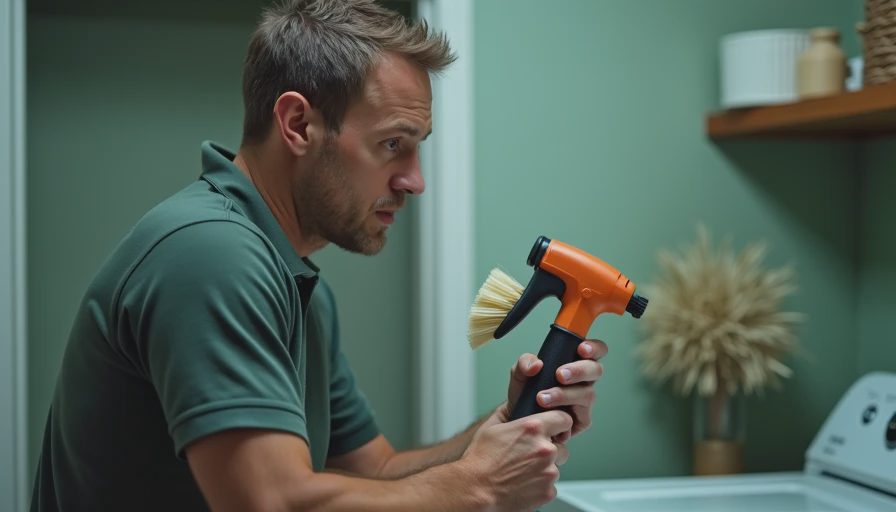
Most single-family homes I see fall somewhere in the $125 to $250 range for a standard visit, with more complex jobs climbing toward $300 or more when the vent is long, hard to access, or routed through the roof. That is not a made-up luxury service price. It is usually a mix of labor, equipment, and access time. If a contractor has to move a stacked unit, work around a finished basement, or clear a very long duct run, the price should reflect that work.
Be careful with ads that promise a bargain rate and then tack on charges for every normal step. A fair quote should tell you whether the outside hood is included, whether the full run is cleaned, and whether the technician will inspect the transition duct behind the dryer. If the company only wants to vacuum the lint trap area, you are not buying the service you think you are buying.
I also like to ask whether they will show before-and-after photos. That is not a gimmick. It is proof that the duct was actually cleaned and that the outside termination was checked. When I was handling claims, the jobs that turned ugly usually had a long history of neglect and a lot of guessing. Clear photos cut through that.
DIY cleaning and where it breaks down
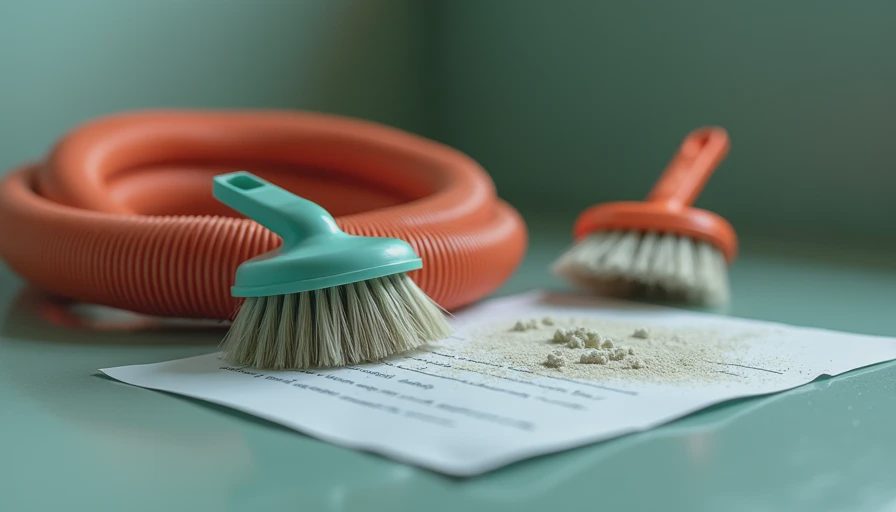
A homeowner can handle some maintenance. Pull the lint screen out every load, wash the screen when residue builds up, and keep the area behind the dryer free of dust bunnies and loose lint. For a short, straight vent run, a basic brush kit can help with light maintenance. The problem is that many real homes are not short and straight. They have long runs, tight bends, hidden joints, or a roof exit that makes access awkward and risky.
That is where professional dryer vent cleaning earns its keep. A pro can follow the vent path, remove compacted lint that a small brush misses, and spot problems like flexible foil ducting, crushed turns, or a loose clamp leaking lint into the wall cavity. If the vent runs through a crawlspace or up through two stories, the job is not just about cleanliness. It is about getting the right tools on the right access points without making a mess or damaging the duct.
I do not love the DIY approach when the dryer is stacked, when the transition duct is hard to reach, or when the outside hood is on the roof. That is the sort of setup where a quick weekend project becomes a call to fix the fix.
How often to schedule service and how to choose the right company
For a typical household, once a year is a solid rule of thumb. If you run the dryer hard, own pets, or have a long vent run with several turns, twice a year is not excessive. In a busy home, the dryer is one of the hardest-working appliances in the house, and it deserves more than a glance now and then. The key is consistency. The vent does not care that you forgot about it.
When you are choosing a company, ask simple questions. Do they clean the full vent path? Do they inspect the outside hood? Do they carry insurance? Will they explain what they found in plain English? The right provider should sound confident without sounding slippery. I also like crews that give practical advice, such as replacing flimsy flex duct with a proper metal connector when the setup calls for it. Good service should make the whole laundry room safer, not just cleaner.
Professional dryer vent cleaning is not glamorous, but neither is a scorched laundry closet or a dryer that cooks itself to death. If your clothes are taking longer to dry, if the vent is overdue, or if you have a basement setup that already feels damp, book the service before the next small problem gets expensive. It is one of the cheapest ways to protect the room you already have, and in a house like mine, that matters.