The building inspector looked at the green board and asked the question I expected: “Code doesn’t require this in a laundry room. Why spend the extra money?”
I told him the truth. I had written too many claim checks for mold that started in laundry rooms that met code and still failed in the real world. Code is the minimum. My goal was a room that would still be solid ten years after the humidity, the occasional overflow, and the Buffalo winters had done their work.
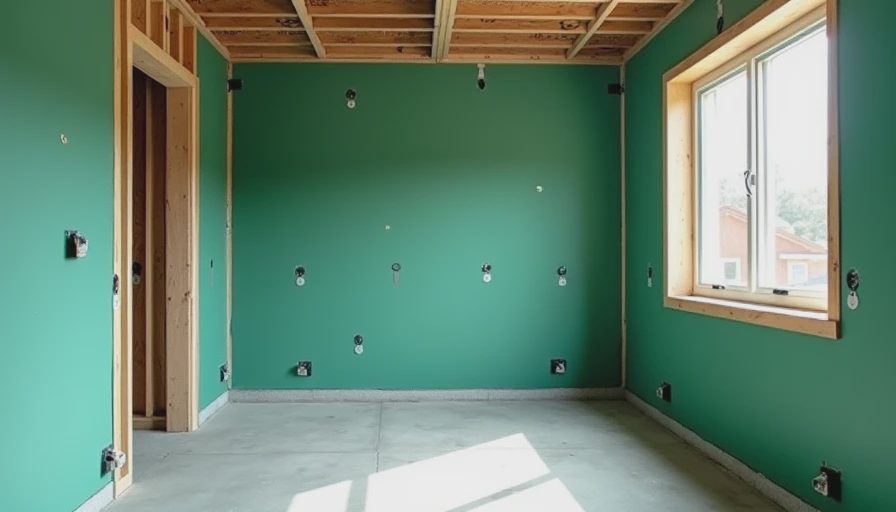
So we framed the walls the way I wanted, and we hung green board even though no one made us.
Framing Off the Foundation
The original laundry corner sat against the uninsulated foundation wall. In winter the concrete stayed cold. Any moist air that reached it condensed. The moisture meter had already shown elevated readings in that zone before we started.
We framed a new wall two inches off the foundation. That gap gave us room for continuous rigid foam against the concrete, a proper vapor retarder, and then the stud wall. The two-inch air space also made it easier to run the new supply lines and the drain without fighting the foundation.
The contractor called it overkill. I called it the difference between a wall that stays dry and a wall that slowly accumulates moisture behind the finished surface. I had seen the second version opened up too many times.
Why Green Board Instead of Standard Drywall
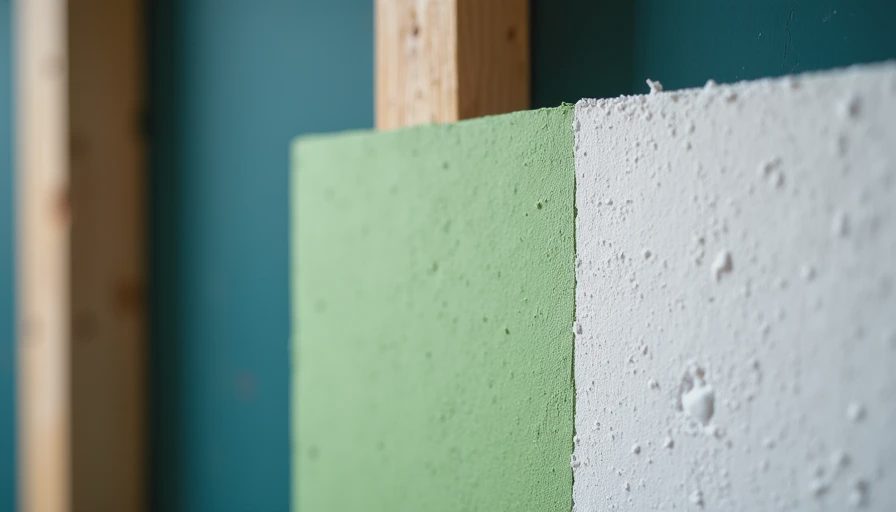
Standard gypsum board handles normal indoor humidity. Laundry rooms are not normal. Even with a good dryer vent and a solid floor drain, the space sees spikes of warm moist air every time the washer runs or someone hangs damp gear. Utility sinks add more. In a basement the baseline humidity is already higher than the rest of the house.
Green board (moisture-resistant drywall) has a chemically treated core and a facing that stands up better to those conditions. It is not waterproof. It is not a substitute for proper ventilation or a working drain. It simply gives the wall a better chance of surviving the occasional splash, the slow increase in humidity, and the years of normal use without turning soft.
I have opened up laundry-room walls that met code and still found soft paper faces and early mold growth on the back side of standard drywall. The green board costs a little more per sheet. The cost of tearing out and replacing finished walls later is much higher.
The Details That Matter More Than the Color of the Board
We sealed the bottom edge of every sheet with a quality sealant where it met the floor. We used corrosion-resistant screws. We kept the drywall off the floor by a small gap and filled it properly so wicking would be minimized if water ever reached that level. The seams were taped and mudded with products rated for higher moisture environments.
None of those steps appear in the basic code checklist for a laundry room in our jurisdiction. All of them appear in the claim files of rooms that looked fine on inspection day and failed five or seven years later.
What the Inspector Ultimately Said
He signed off. He also said he wished more homeowners thought about the difference between “allowed” and “smart.” I took that as a quiet victory.
The walls are now finished, painted, and living with real laundry traffic. The moisture meter readings behind the new wall stay consistently lower than the old foundation readings we recorded before the work. I still check them every few months. Old habits die hard.
Would I Do It Again?
Yes. Without hesitation. The extra material cost was modest in the context of the full renovation. The peace of mind is not. I know the wall assembly can handle the humidity spikes that come with a working laundry room in a cold climate. I know the framing details give any future water a harder time reaching the foundation and the joists.
Code sets the floor. Experience sets the target. In a room that combines water, heat, and moisture on a weekly basis, I aim higher than the floor.
A room you hate to be in is a room you’ll never take care of. Building the walls so they stay solid and dry is one of the quieter ways to make sure you never have a reason to hate this one.