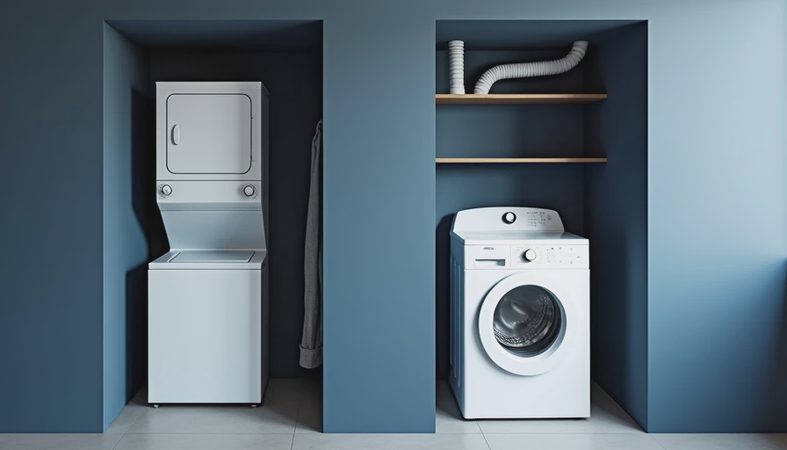
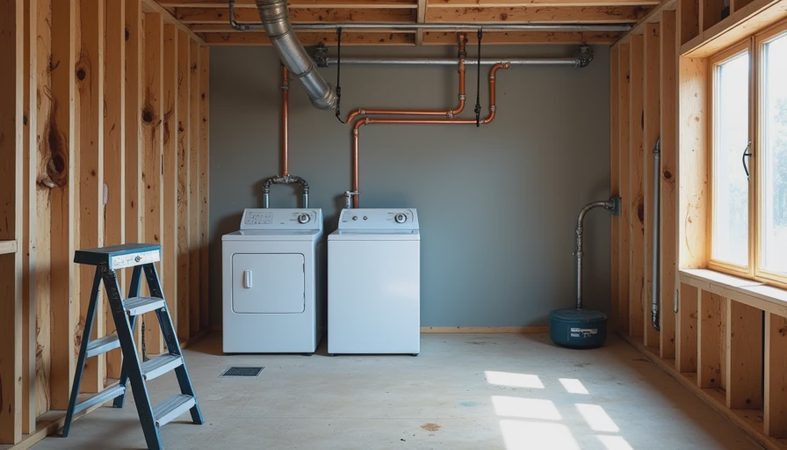
Finding good laundry room renovation contractors is not just about getting nicer cabinets or a countertop for folding towels. The right crew can help prevent the problems I have seen repeatedly in property claims: burst washing machine hoses, leaking drain pans, overloaded outlets, and dryer fires caused by poor venting. A room you hate to be in is a room you'll never take care of, so the goal is a space that is practical, accessible, and built to handle water and heat.
I learned that lesson in my own 1947 Buffalo colonial. The washer and dryer sat in a dark unfinished basement corner, beside an outlet that made me nervous and a dryer vent that looked like it had been installed with leftover parts. Renovation does not require a luxury budget. It does require a clear scope, qualified tradespeople, and someone willing to discuss what happens when a hose fails at 2 a.m.
What to ask laundry room renovation contractors before hiring
Start with a site visit rather than an online estimate. Laundry room renovation contractors should inspect the floor, water supply lines, drain connection, electrical service, dryer vent route, lighting, and signs of previous moisture. In a basement, ask whether the concrete floor slopes toward a drain, whether walls show efflorescence, and whether a sump pump protects the area. In an upstairs laundry room, ask how the contractor plans to contain a leak before it reaches the ceiling below.
Request a written scope that separates demolition, plumbing, electrical work, ventilation, cabinets, flooring, and painting. A vague quote such as “renovate laundry room” can leave you paying extra for every necessary repair. Ask who pulls permits, who performs each trade, and who handles inspections. A general contractor may coordinate licensed electricians and plumbers, but the paperwork and responsibility should be clear before work begins.
You should also ask for proof of general liability insurance and workers’ compensation coverage. Do not confuse a contractor’s insurance with your homeowners policy. Your policy may cover sudden accidental damage under certain conditions, but it is not a substitute for hiring an insured professional.

The water-control details that matter most
The cheapest visible upgrade is often not the most important one. Laundry room renovation contractors should recommend braided stainless-steel supply hoses instead of old rubber hoses, with enough room behind the machine to avoid sharp bends. A pair of hoses can cost roughly $25 to $60, while cleanup from a supply-line failure can involve drywall removal, flooring replacement, drying equipment, and mold prevention.
Consider an automatic water shutoff device with a leak sensor. Products from brands such as Moen Flo or Honeywell can alert you to unusual flow, while a local valve system can shut off the laundry supply when it detects a leak. Pricing varies by installation, but budgeting $200 to $700 is reasonable for many setups. It is not magic, and it still needs testing, but it adds a useful layer of protection when nobody is home.
A drain pan under the washer is especially useful on an upper floor. Have the contractor connect the pan to an approved drain route rather than leaving it as a shallow plastic tray with nowhere for water to go. In a basement, waterproof flooring such as sheet vinyl or properly installed luxury vinyl plank is generally easier to dry than carpet or untreated wood. Ask about the subfloor, too; attractive flooring over a damp slab is just a delayed problem.
Dryer ventilation is not a cosmetic detail
When interviewing laundry room renovation contractors, ask them to show you the planned dryer vent path. The vent should use smooth metal ducting, remain as short and direct as practical, and terminate outdoors with a proper exterior hood. Flexible foil or plastic sections that collect lint and sag behind the dryer are poor long-term choices. The contractor should also leave access for cleaning and avoid crushing the duct when the appliance is pushed back.
A new laundry layout often moves the dryer several feet. That can increase bends and length, so the contractor needs to account for the manufacturer’s requirements. If the room is in a basement, confirm that the vent will not discharge into a crawlspace, attic, garage, or wall cavity. Warm, damp lint-filled air belongs outside.
Give the dryer its own cleaning routine after the renovation. Clean the lint screen every load, vacuum the screen housing periodically, and have the full duct checked when drying times increase. If clothing takes two cycles to dry, the machine may not be “getting old”; restricted airflow could be the warning.

Electrical, lighting, and storage choices
Laundry room renovation contractors should evaluate the electrical circuit rather than simply add a convenient power strip. Washers and dryers have different electrical requirements, and electric dryers commonly need a dedicated 240-volt circuit. Gas dryers still require electricity, ventilation, and a safe gas connection. GFCI and AFCI protection requirements depend on the installation and local code, so use a licensed electrician who will explain the plan instead of improvising after cabinets arrive.
Good lighting is a safety feature. Install bright, even overhead lighting, then add task lighting above a folding counter if the room has a dark corner. Keep outlets accessible after the washer and dryer are installed. A shutoff valve hidden behind a permanent cabinet is a future maintenance headache.
For storage, prioritize a pullout hamper, a narrow shelf for detergent, and a rod for air-drying clothes. Leave ventilation around appliances and do not stack heavy containers on top of the dryer. A $1,500 cabinet package can look impressive, but a $150 adjustable shelf may be more useful if it keeps valves and hoses reachable.
Comparing bids without choosing the cheapest crew
Laundry room renovation contractors may quote anything from about $6,000 for a modest refresh to $25,000 or more for moved plumbing, new electrical work, custom cabinetry, and major flooring repairs. Those figures are planning ranges, not promises. The expensive part is often moving drains, opening walls, correcting old wiring, or repairing moisture damage discovered during demolition.
Compare bids line by line. One contractor may include permits, disposal, paint, and a vent upgrade while another lists only labor and cabinets. Ask for allowances on fixtures and appliances, and find out what happens if the subfloor is damaged. A contingency of 10% to 20% is sensible for older homes, especially basements where previous owners may have concealed leaks.
Call at least two references and ask specific questions: Did the crew protect finished areas? Were change orders explained before work started? Did the dryer vent pass inspection? Did the contractor return to correct problems? A polished portfolio shows appearance; references reveal habits.
A practical renovation sequence
The safest order is demolition, moisture inspection, rough plumbing and electrical, dryer vent installation, inspection, wall repair, flooring, cabinets, appliance installation, and final testing. Laundry room renovation contractors who want to install cabinets before inspections are creating avoidable rework.
Before signing off, run the washer through a full fill, wash, and drain cycle while watching every connection. Test the shutoff device and confirm that the drain hose is secure. Run the dryer long enough to verify strong airflow outside. Check that doors open without striking appliances, the floor does not flex, and the valves remain reachable.
Take photos of shutoff locations, wiring, and the vent route before walls close. Keep appliance manuals, permits, invoices, and contractor contact information together. Those records help with future repairs and give you useful documentation if a covered loss ever occurs.
The best laundry room renovation contractors do more than make a basement corner look presentable. They reduce the chance that a small appliance failure becomes a major claim, while creating a room your family can actually use. Get detailed bids, insist on proper venting and accessible shutoffs, and spend money first on the parts that protect the house. The pretty countertop can come after the boring work is right.