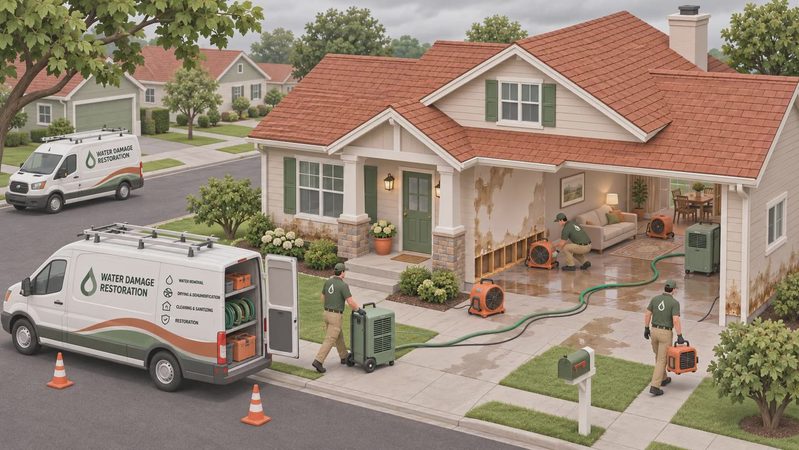
Flood damage in a laundry room rarely begins with dramatic weather. More often, it starts with a $12 washing machine hose, a loose drain connection, or a slow leak nobody notices behind the washer. After inspecting more than 3,000 property claims, I can tell you that laundry rooms create an impressive number of expensive surprises. The machines are heavy, the plumbing is pressurized, and the room is often tucked into a basement where a small leak can stay hidden for hours.
My own laundry room is in the basement of our 1947 Buffalo colonial. Before we renovated it, Rachel and I found an old rubber hose that had gone stiff enough to crack when I bent it. That hose was not a design problem. It was a future claim waiting for a convenient time, probably 2 a.m. on a January morning.
Find the real sources of flood damage
Start with the washing machine supply lines. Rubber hoses should be replaced with braided stainless-steel lines, preferably every few years or whenever they show rust, bulges, abrasions, or kinks. A braided exterior does not make a hose indestructible, so do not shove the machine tightly against the wall and crush the connections. Leave enough room to inspect both ends.
The shutoff valves deserve attention too. If turning a valve requires pliers, the valve is not ready for an emergency. Replace frozen or corroded valves during the renovation, not after water is running across the floor. A quarter-turn ball valve is usually easier to operate quickly than an old multi-turn gate valve.
Next, inspect the standpipe and drain hose. The washer drain hose should be secured so it cannot jump out of the standpipe during a high-speed spin cycle. A loose hose can dump several gallons onto the floor before anyone hears it. Check the utility sink, floor drain, water heater, and any nearby condensate pump as well. Many cases of flood damage I handled began outside the washing machine itself.

Design the room to catch water early
A laundry room should not depend on a person being home to prevent flood damage. Install a water leak sensor on the floor behind the washer and another near the water heater or utility sink. Basic battery-powered sensors often cost $15 to $40. Connected models from brands such as Govee, YoLink, or Resideo can send an alert to your phone, but only if the batteries, Wi-Fi connection, and app are maintained.
An automatic shutoff system can provide another layer of protection. Products from Flo by Moen and similar manufacturers monitor plumbing flow and can close a main-line valve when they detect an unusual pattern. They cost more than a basic sensor, often several hundred dollars before installation, but that expense can look modest beside a $5,000 to $15,000 cleanup.
Think about where water will go. A properly installed floor drain, drain pan, or sloped waterproof floor can limit the spread of a leak. Never cover a floor drain with cabinets or shelving. If a basement drain frequently backs up, ask a licensed plumber about a backwater valve or sump-pump protection rather than treating the symptom with towels.
Make the floor and walls recoverable
Luxury vinyl tile is popular in laundry rooms because many products tolerate moisture and are easy to clean. It is not a magic waterproofing system. Water can still travel through seams, under baseboards, or around poorly sealed edges. Follow the manufacturer’s installation instructions and use compatible transitions at doorways.
Ceramic or porcelain tile can work well, but the subfloor and grout still matter. In a basement, moisture vapor can move through concrete and cause adhesive failures or musty odors. Before installing a finished floor, tape a plastic moisture test square to the slab or use a moisture meter. A flooring professional can perform a more reliable test when readings are questionable.
Use cement board or another approved moisture-resistant assembly where appropriate, especially around a sink. Standard drywall is not a waterproof barrier. If the room has finished walls, leave access panels for supply valves, pump connections, and cleanouts. A beautiful wall that prevents inspection is expensive decoration.
I also recommend removing cardboard storage from the laundry area. Cardboard boxes absorb water, hide small leaks, and create a mold-friendly mess. Store detergent, paper goods, and seasonal items on shelving with a few inches of clearance from the floor.

Understand what insurance usually covers
Homeowners insurance typically covers sudden and accidental water damage from a failed appliance supply line, subject to the policy’s terms and deductible. It generally does not cover gradual seepage, wear and tear, poor maintenance, or the cost of replacing the failed hose itself. Water that rises from outside, such as storm surge or overflowing surface water, is commonly excluded from a standard homeowners policy and may require separate flood insurance through the National Flood Insurance Program or a private insurer.
That distinction matters. A burst washer hose and a basement flooded by rising groundwater may look similar after the cleanup, but they can fall under very different coverage rules. Take photos before removing damaged materials, keep receipts for emergency work, and contact your insurer promptly. Do not run a wet appliance or enter standing water near electrical outlets.
A deductible of $1,000 or $2,500 can leave you paying much of a smaller repair yourself. Prevention is still valuable because flood damage can include flooring, drywall, trim, furniture, stored belongings, and mold remediation. In a finished basement, the total can climb quickly even when the original leak costs almost nothing to fix.
Build a five-minute maintenance habit
Once a month, pull the washer forward enough to inspect the hoses and connections. Look for dampness, green or white mineral buildup, rust, bulges, and rubbing marks. Run a finger around the valve connection, but never tighten a fitting aggressively on a plastic washer inlet.
Test leak sensors monthly and replace batteries on a schedule. Clean the dryer lint screen every load, vacuum the lint path periodically, and have the vent inspected if clothes take longer to dry. A laundry room that avoids water trouble but develops a dryer fire is not a successful renovation.
Twice a year, check the floor drain, sump pump, and discharge line. Pour water into a rarely used drain to keep the trap from drying out. Confirm that the sump pump actually activates and that its backup battery is charged. During winter in Buffalo or any cold climate, protect exposed pipes from freezing and know where the main water shutoff is located.
Spend first on prevention, then on appearance
If your budget is limited, do not begin with a quartz countertop or custom cabinets. Replace rubber hoses, repair valves, secure the drain hose, install a leak sensor, and improve lighting first. Those upgrades can cost roughly $50 to $500 depending on the plumbing and monitoring system, while decorative work can wait.
After the room is safe, choose storage that keeps supplies visible and floors accessible. Put the detergent where you can see a slow leak, not behind a tightly packed cabinet. Add a small folding surface if it makes the room easier to use, because a room you hate to be in is a room you'll never take care of.
The best laundry room is not the one that looks untouched in a photograph. It is the one where a failed hose gets noticed quickly, water has somewhere controlled to go, and the homeowner can reach every valve without moving a mountain of baskets. That is how you prevent flood damage before it becomes the adjuster's next file.