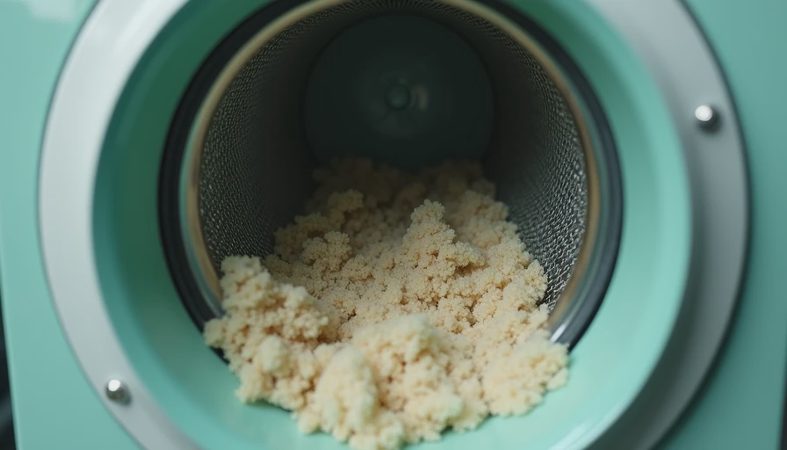
When a washing machine hose bursts at 2 a.m., searching for water damage restoration companies near me is not a casual research task. You need a crew that can stop the water, dry the structure, protect salvageable belongings, and explain what happens next without turning your kitchen, basement, or laundry room into a sales pitch. After a decade handling property claims, I have seen how the first 24 hours affect both the repair bill and the quality of the final work.
A small laundry-room leak can soak flooring, baseboards, drywall, and the subfloor beneath a machine. If the room sits over a finished living area, water can travel through ceiling cavities before anyone notices. The right response is fast but not frantic: shut off the supply, move people away from electrical hazards, take photographs, and start looking for qualified help.
What to Do Before the Restoration Crew Arrives
First, stop the source if it is safe. Turn off the washing machine valves or the home’s main water supply. If water is near outlets, appliances, or the electrical panel, do not wade into it. Call an electrician or emergency services when there is a genuine electrical danger. Never run a shop vacuum through standing water unless it is specifically designed and rated for that use.
Take wide photographs showing the room, then closer images of the failed hose, appliance, damaged flooring, and affected belongings. Keep the broken part instead of throwing it away. Write down when you discovered the loss, when you shut off the water, and which rooms were affected. Those details help a restoration contractor build a scope of work and help an insurer understand the timeline.
When comparing water damage restoration companies near me, ask whether the company responds 24/7, uses commercial dehumidifiers, documents moisture readings, and provides a written estimate. A serious contractor should be able to explain what materials can be dried in place and what must be removed. “We will make it look fine” is not a drying plan.
How to Evaluate Water Damage Restoration Companies Near Me
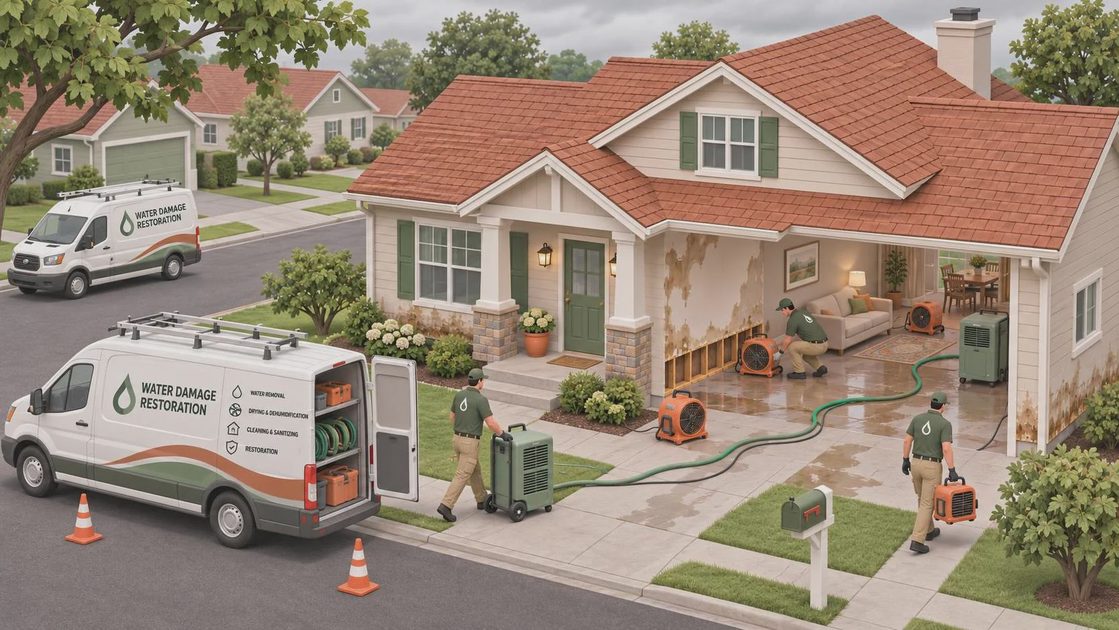
The best water damage restoration companies near me are not necessarily the ones with the biggest trucks or the first sponsored listing. Ask for the company’s legal business name, insurance information, local address, and the name of the person supervising the job. Confirm that workers are trained for water mitigation and that the company follows recognized restoration practices. Certifications do not guarantee perfect work, but a contractor who cannot describe their training should not be managing a hidden moisture problem.
Ask for a moisture map before demolition begins. This should show affected walls, floors, cabinets, or ceilings and identify readings from dry comparison areas. Drying equipment should be positioned based on those readings, not simply placed in the middle of the room and left running. You should also receive updates showing when moisture levels return to an appropriate range.
Be cautious when a contractor promises to handle your entire insurance claim, guarantees coverage, or asks you to sign an assignment of benefits without explaining it. A restoration company can document damage and communicate with an adjuster, but coverage depends on your policy, the cause of loss, exclusions, and your deductible. Get the contract in writing, including emergency service rates, equipment charges, demolition limits, and who pays if insurance does not cover part of the work.
What Quality Water Mitigation Actually Includes
Water mitigation is the emergency work that limits further damage. It commonly includes extracting standing water, removing unsalvageable materials, setting air movers and dehumidifiers, cleaning affected surfaces, and monitoring the structure as it dries. Reconstruction comes later and can include new drywall, insulation, flooring, cabinets, trim, and paint. Keeping those phases clear prevents confusion when a contractor discusses a $2,000 drying job followed by $8,000 or more in repairs.
For a clean supply-line break, some porous materials can be dried and restored. Saturated insulation, swollen particleboard, delaminated flooring, and drywall that has wicked water upward often need removal. Materials affected by sewage, groundwater, or contaminated water require stricter handling and should not be treated like a clean appliance leak.
A contractor should explain air quality and containment when mold is visible or suspected. Mold growth can begin quickly in warm, damp conditions, but spraying a strong chemical over a wet wall is not a substitute for removing moisture. The source must be corrected, affected materials assessed, and the space dried.
Questions That Expose Weak Contractors
Before hiring water damage restoration companies near me, ask these direct questions: What caused the damage? What equipment will you use? How many days do you expect drying to take? How will you prove the structure is dry? Which materials will you remove, and why? Will I receive daily moisture readings? Who will perform reconstruction? What happens if hidden damage is discovered?
Listen for specific answers. “The fans will handle it” is vague. “We will record readings from the affected baseboard, subfloor, and an unaffected comparison area twice daily” demonstrates a process. Ask whether equipment charges continue on a daily basis and whether the company bills your insurer directly or expects immediate payment. Keep copies of every invoice, photograph, estimate, and text message.
A trustworthy company will not pressure you to approve unnecessary demolition before documenting the source and affected areas. It will also protect unaffected rooms with plastic, floor coverings, and controlled access. Restoration is messy, but careless cleanup can create a second claim involving scratched floors, damaged furniture, or missing belongings.
Costs, Insurance, and the Repair Decision
Emergency extraction and drying can range from several hundred dollars for a contained appliance leak to several thousand dollars when water reaches multiple rooms, finished walls, or a basement. Reconstruction costs depend on the materials and access. Replacing basic drywall and vinyl flooring is very different from rebuilding custom cabinets, hardwood floors, or a finished ceiling below the laundry room.
Your homeowners policy often distinguishes between sudden accidental water damage and long-term seepage, maintenance, or flood damage. A failed washing machine hose may be treated differently from water entering through a foundation after outside flooding. Do not assume the presence of water automatically determines coverage. Report the loss promptly, prevent additional damage when reasonably safe, and keep receipts for emergency purchases such as towels, fans, or temporary lodging.
When water damage restoration companies near me provide estimates, compare the scope rather than only the bottom-line price. One estimate might include removal of wet insulation and antimicrobial cleaning while another includes only extraction. Ask whether taxes, equipment monitoring, disposal, and rebuild work are included. The cheapest proposal can become the most expensive when hidden moisture is discovered later.
Preventing the Next Laundry-Room Loss
The most useful restoration call is the one you never have to make. Replace rubber washing machine hoses with braided stainless-steel hoses and inspect connections several times a year. Do not overtighten fittings. Leave enough clearance behind the machine to avoid sharp bends, and replace hoses showing bulges, cracks, rust, or damaged threads.
A leak-detection shutoff device can close the water supply when its sensor detects moisture. A drain pan may help contain a small leak, although it cannot compensate for a blocked drain or a burst hose spraying across the room. Keep the area around the washer accessible so a shutoff valve is not hidden behind shelving or a permanently installed cabinet.
Clean dryer lint screens every load and inspect the vent path periodically. A blocked vent raises drying time and heat, while lint accumulation creates a fire hazard. If your laundry room is in a basement, use a dehumidifier when needed and watch for condensation on cold pipes. I use a moisture meter in our Buffalo basement each season because visual inspection misses plenty of trouble.
The phrase water damage restoration companies near me is easy to type, but the first result is not automatically the safest choice. Look for documented drying, clear contracts, measured communication, and respect for your home. A room you hate to be in is a room you'll never take care of, so build the laundry area around access, drainage, ventilation, and maintenance. If a leak happens, act quickly, document everything, and choose a crew that can show its work from the first wet reading to the final repair.