I have a standing personal rule: I will not recommend rubber washing machine hoses to anyone. Not as a temporary fix. Not because they came free with the machine. Not because the hardware store still stocks them by the dozens. After ten years of writing the claim checks that followed their failures, I am done being polite about it.
Rubber supply hoses are a known failure point with a predictable lifespan and catastrophic consequences. They should have been phased out of residential use years ago. Until that happens, the least we can do is stop installing them and stop pretending they are acceptable.
The Failure Pattern I Saw Over and Over
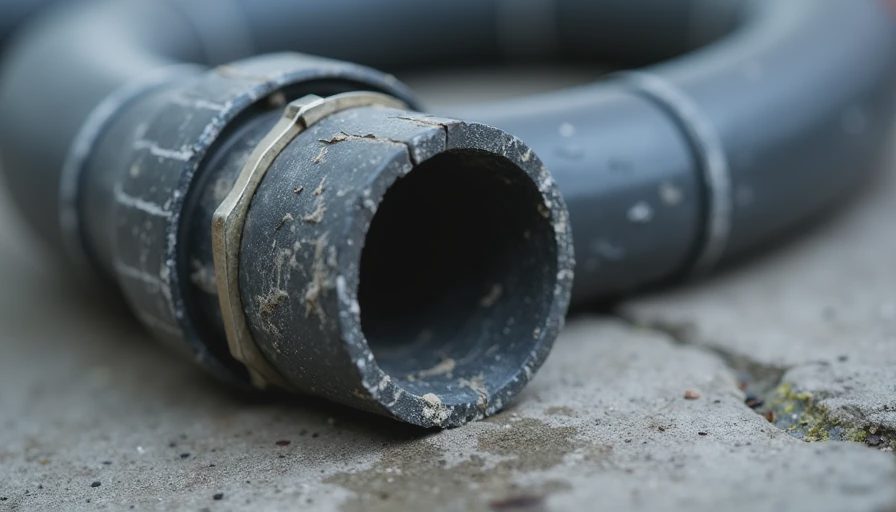
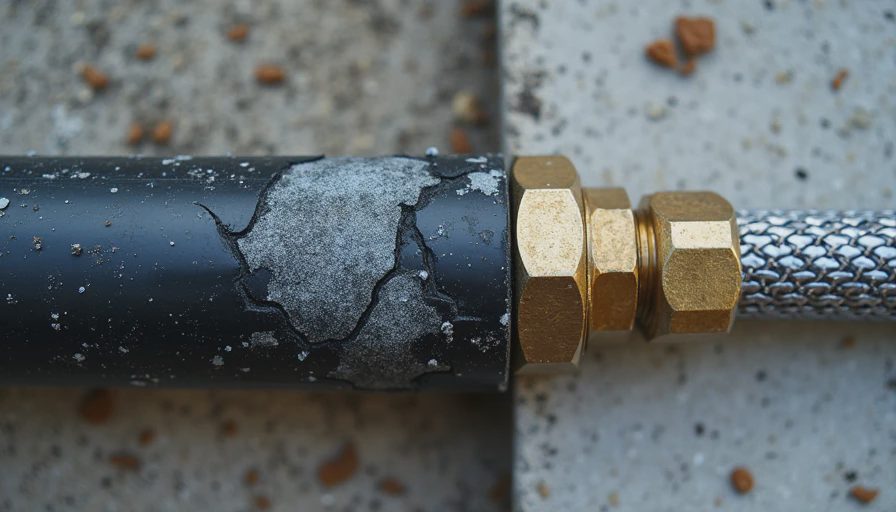
The typical rubber hose lasts five to eight years before the rubber hardens, cracks at the crimp, or develops a bulge that eventually splits. The failure almost always happens while the machine is not running and no one is home or awake. Water pressure stays constant. The hose lets go. The water runs for hours.
By the time someone notices, the basement or laundry closet is flooded, the drywall is saturated, the insulation is ruined, and mold has already started in the warm, wet cavities. I adjusted dozens of these claims. The average total cost landed between $14,000 and $18,000 once flooring, drywall, baseboards, insulation, and professional drying were included. A few exceeded $25,000 when the water reached finished living space on the floor above.
These were not freak accidents. They were the predictable end of a product that manufacturers and retailers still treat as standard equipment.
Why Rubber Fails and Steel Does Not
Rubber degrades with time, heat, cold, and constant pressure. The ends are crimped onto fittings that create stress points. Temperature swings in a basement or garage accelerate the process. Once a crack starts, water pressure does the rest.
Braided stainless-steel hoses use a flexible inner tube protected by a woven metal jacket. The jacket contains the pressure even if the inner tube fails. The fittings are usually better quality. The service life is significantly longer. I have yet to write a claim for a properly installed braided hose that failed from age the way rubber ones do.
Yes, braided hoses cost more at the hardware store. The difference is roughly the price of a couple of takeout dinners. The difference in risk is five figures and a week of industrial fans.
The Arguments I Keep Hearing—and Why They Fail
“The machine came with rubber hoses.”
So did a lot of the machines that ended up in my claim files. The free hose is not a feature. It is a liability the manufacturer transferred to you.
“I’ve never had a problem.”
That is the same sentence I heard from homeowners standing in three inches of water. Past performance is not a guarantee when the material has a known degradation curve.
“I’ll just check them every year.”
Visual inspection misses the internal cracks and the hardening that starts from the inside. By the time you see a bulge or a weep, the hose is already in failure mode.
“Braided hoses can fail too.”
Anything can fail. The failure rate and the failure mode are dramatically different. One is a slow, contained seep that gives you a chance to notice. The other is an open fire hose at 60 psi while you sleep.
What I Do in My Own House and What I Tell Everyone Else
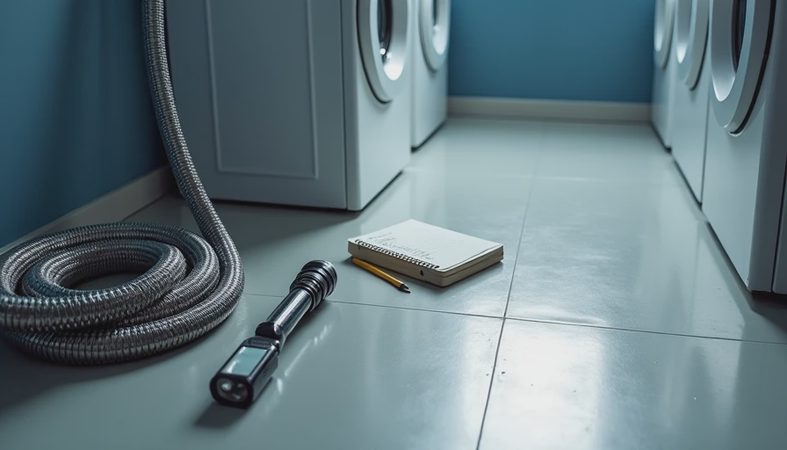
Every rubber hose in our house was replaced the first month we owned it. During the laundry renovation we installed new braided stainless lines, new quarter-turn valves, and an automatic shut-off system tied to floor sensors. I treat the hoses as a five-year maintenance item the same way I treat smoke-detector batteries—except the consequences of forgetting are larger.
If you still have rubber hoses, replace them this weekend. Do not wait for the next sale. Do not wait until you “get around to it.” The water pressure is already there, waiting.
If you are buying a new machine, leave the rubber hoses in the box or throw them away. Buy quality braided lines rated for the pressure and temperature of residential supply. Install them with the machine. Add a water sensor. Then go back to worrying about lint and unbalanced loads—the problems that do not quietly destroy half the house while you sleep.
The Regulatory Gap
Building codes and appliance standards have tightened on many fire and electrical risks. Water supply hoses for washing machines remain strangely under-regulated in most jurisdictions. Retailers continue to sell rubber hoses as if the claim data does not exist. Manufacturers continue to include them as standard.
Until that changes, the responsibility sits with homeowners and anyone who installs these machines for a living. The data is not ambiguous. Rubber hoses fail in a way that creates large, preventable losses. Continuing to use them is a choice.
I used to write the checks. Now I write the blog posts. The message is the same either way: stop installing rubber washing machine hoses. The alternative is cheaper, safer, and already available on the same shelf.
A room you hate to be in is a room you’ll never take care of. A hose that can flood that room while you sleep is one of the fastest ways to guarantee you will hate it—and everything downstream of it—for a very long time.