I kept a running mental list during my ten years as a property claims adjuster in western New York. Certain failures showed up so often they felt personal. Laundry rooms were reliable sources of expensive, preventable damage. The same five patterns kept landing on my desk, usually after someone had already spent a sleepless night dealing with water, smoke, or both.
These aren’t theoretical risks. They’re the claims I actually wrote up, photographed, and settled. The average costs below are ballpark figures from the files I handled between 2015 and 2025—numbers that still make my eye twitch. If your laundry setup matches any of these scenarios, you now have official permission to fix it before the next 2 a.m. phone call involves an adjuster.
1. The Burst Washing Machine Hose
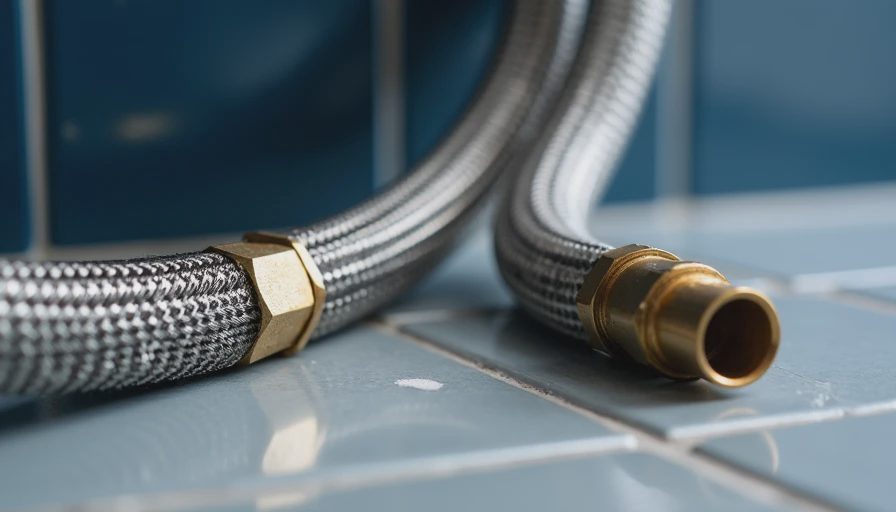
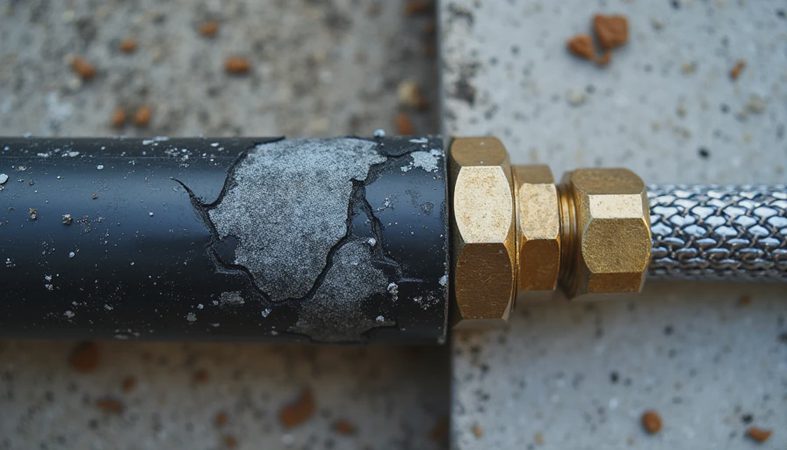
This one was the undisputed champion. Rubber supply hoses that look fine from the outside fail at the crimp or along a hidden weak spot, usually while everyone is asleep. Water runs for hours. By morning the basement is a pond, the drywall is soft, and the flooring upstairs is warping.
Average payout I saw: $14,000–$18,000 once you add mold remediation, insulation, and finish work.
The fix is almost insultingly simple. Replace every rubber hose with braided stainless-steel ones. Do it every five years even if they look perfect. Install a water sensor with an automatic shut-off valve under the machines if you want to sleep better. And for the love of dry basements, put a drain pan under the washer that actually drains somewhere useful—not just into the middle of the floor.
I still refuse to recommend rubber hoses to anyone. They should be illegal. I’ve seen too many of them turn a quiet Tuesday into a five-figure claim.
2. Dryer Lint Fires
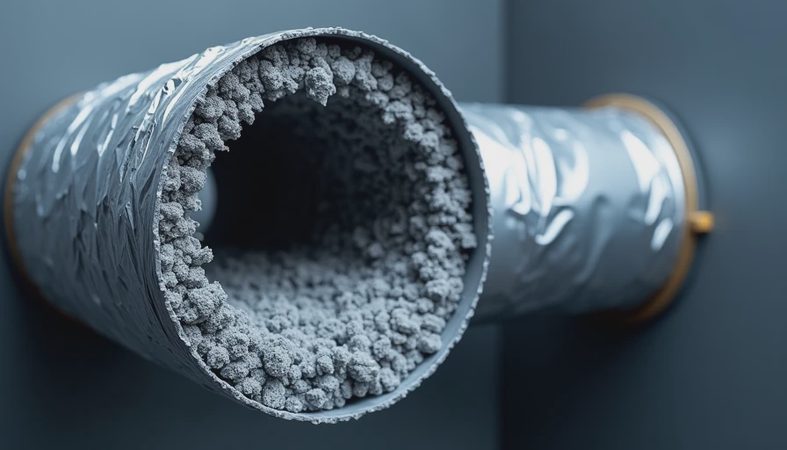
Dryer-related fires ranked third among house fires involving laundry equipment in the claims I handled. The classic path: lint builds up in the duct, especially at 90-degree elbows or long flexible runs. Heat has nowhere to go. Something eventually ignites. Sometimes it’s contained to the dryer. Sometimes it climbs into the joists.
I remember one colonial in Kenmore where the flexible foil duct had been crushed behind the dryer for years. The fire started in the duct and traveled six feet into the ceiling cavity before the homeowner noticed the smoke. Repair cost topped $22,000.
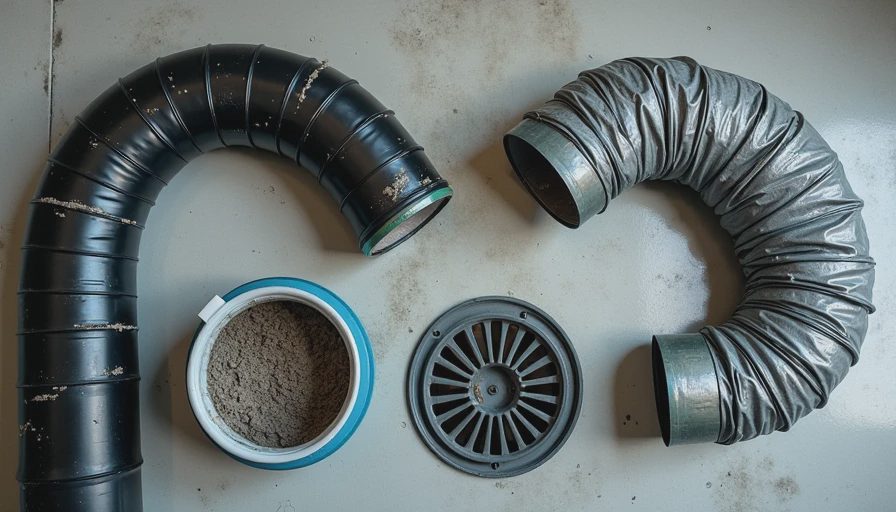
Prevention is boring and effective. Keep the duct as short and straight as possible. Use rigid or semi-rigid metal, never the cheap foil accordion stuff. Clean the entire run—not just the lint trap—at least once a year. If your dryer takes forever to dry a load, the duct is already telling you something is wrong. Listen to it.
3. Missing or Useless Floor Drains
Plenty of older basements have a floor drain that was either never connected properly or got covered during a previous “improvement.” When the washer overflows or a hose lets go, the water has nowhere to go except sideways into the finished rooms.
I adjusted more than a few claims where the only original problem was an overflow that should have gone down a drain. Instead it migrated under the wall plate and into the family room. One claim in Amherst hit $11,500 mostly because the water had three days to travel before anyone noticed the soft spot in the carpet.
If your laundry area sits on a concrete slab, confirm you have a working floor drain within six feet of the machines. Test it. If you don’t have one, adding a proper drain and a slight pitch in the floor is cheaper than most people think—and far cheaper than the alternative.
4. Bad Ventilation and Mold
This one is quieter and often more expensive over time. Dryers and washers both put moisture into the air. If that moist air has nowhere to go, or if the exhaust is dumping into a cold, poorly insulated cavity, mold is almost guaranteed.
I saw multiple claims where the dryer vent terminated in the rim joist area with no exterior hood, or where a plastic vent was crushed and leaking into the wall. By the time the musty smell reached the upstairs hallway, the back side of the drywall was black. Mold remediation plus drywall and insulation easily cleared $8,000–$15,000.
The solution is proper termination to the exterior, insulated ducts where they pass through cold spaces, and enough general ventilation in the room itself so humidity doesn’t sit around. A simple exhaust fan on a timer or humidity sensor makes a noticeable difference in older basements.
5. Utility Sink Overflows and Slow Leaks
Utility sinks look harmless until the drain clogs or the supply valve drips for months behind the cabinet. Kids rinse paintbrushes. Someone washes the dog. The P-trap eventually says no. Or a cheap plastic supply line weeps just enough to rot the cabinet floor and the subfloor beneath it.
One claim I still remember involved a slow drip that ran for what must have been a year. The homeowner only noticed when the vinyl flooring started to bubble. By then the particle-board cabinet base was compost and the floor joist had soft spots. Payout: just under $9,000.
Use a real metal or quality PVC drain assembly. Check the supply valves twice a year. Keep the area under and behind the sink visible and accessible. If you can’t see it, you can’t maintain it.
The Pattern Behind the Claims
None of these failures required exotic equipment or bad luck. They required ordinary neglect of ordinary parts. The laundry room is the only wet-work space in most houses that people treat like storage instead of a mechanical room. That attitude is expensive.
Rachel and I are rebuilding ours with every one of these lessons in mind. Braided hoses. Short rigid vent. Working floor drain. Real lighting. Surfaces we can actually clean. The goal is not a magazine cover. The goal is a room that does not generate the next claim file with my old company’s name on it.
If any of the five scenarios above sound familiar, fix the weak link this month. The adjuster version of me would thank you. The homeowner version of me already knows how much sleep it saves.
A room you hate to be in is a room you’ll never take care of. Make the laundry room one you don’t hate, and the rest gets easier.