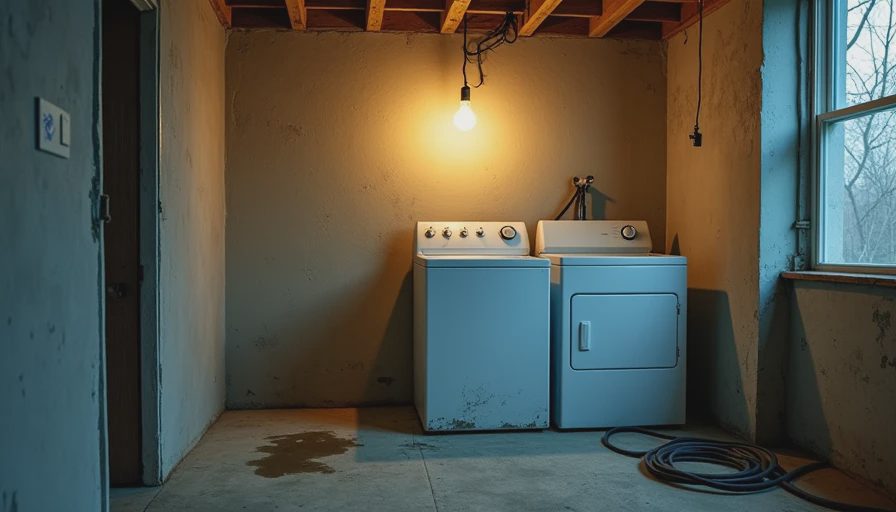
I’ve walked through more than three thousand water-damage claims. I’ve stood in basements where the only light was a single bare bulb swinging from a wire, the floor was raw concrete still holding last winter’s damp, and the washer hose had decided 2 a.m. was the perfect time to fail. I’ve seen the aftermath of dryer lint that jumped from the duct into the joists. I’ve watched mold colonies turn a utility sink corner into a science experiment nobody signed up for.
And every single time, the homeowner said some version of the same thing: “We just never thought about the laundry room.”
That’s the problem. We treat laundry like a necessary evil that belongs in the darkest, dampest, most forgotten corner of the house. We shove machines into closets barely wider than the appliances. We run them in unfinished basements with no floor drain, no proper ventilation, and rubber hoses that were already brittle when we bought the place. Then we act surprised when the ceiling downstairs starts to sag or the insurance adjuster shows up with a clipboard and a very long face.
I used to be that adjuster. Ten years of property claims in western New York taught me one hard truth: the laundry room is the most dangerous room most people never think about. It’s also the room that, if you get it right, can quietly make the rest of your house safer, drier, and a little less miserable.
My name is Colin Webb. My wife Rachel and I live in a 1947 colonial in Buffalo with two kids, a moisture meter that sees more action than most people want to admit, and a laundry situation that started as “washer and dryer shoved into a dark corner of the unfinished basement.” We decided that corner was not going to stay that way. This blog is the record of how we fixed it—and why you should care about yours, even if you’re not planning a full renovation.
A Room You Hate Is a Room You’ll Neglect
Here’s the signature line I keep coming back to: A room you hate to be in is a room you’ll never take care of.
If the only light is a bare bulb, if the floor is cold concrete that feels damp in March, if the only storage is a wire shelf that collapses under a stack of towels, you will do the absolute minimum. You’ll ignore the lint in the vent. You’ll leave the wet clothes in the machine an extra day. You’ll never notice the slow drip behind the utility sink until the drywall is soft and the subfloor is compromised.
I’ve seen the claim files. The average payout on a washing-machine hose failure that runs overnight is north of fourteen thousand dollars once you factor in flooring, drywall, insulation, and mold remediation. Dryer-related fires are the third most common cause of house fires involving laundry equipment. Ventilation that dumps moist air into a cold basement creates the perfect conditions for mold that insurance may or may not cover depending on the policy language and the adjuster’s mood that day.
None of those numbers matter if the room feels like a punishment. You fix what you notice. You maintain what you actually use. You only notice and maintain the spaces you don’t dread walking into.
What “Doing It Right” Actually Means
I’m not talking about a magazine-spread laundry room with floating shelves and a perfect white palette. I’m talking about a room that:
Has a floor that can get wet without becoming a disaster
Has a drain that actually works if something overflows
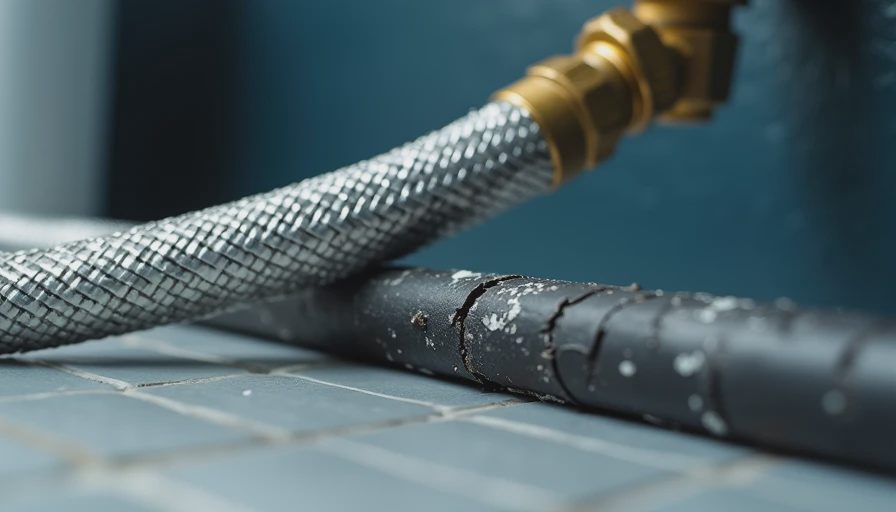
Uses braided stainless steel hoses instead of the rubber ones that fail on a schedule
Has a dryer vent that is short, straight, and cleaned on a real schedule
Has lighting that doesn’t make you feel like you’re in an interrogation room
Has enough counter space and storage that folding doesn’t require a scavenger hunt
Those are not luxury upgrades. Those are the difference between a room that protects your house and a room that quietly works against it.
When Rachel and I started planning our own renovation, the contractor looked at my list and said, more than once, “That’s overkill.” Framing the laundry wall two inches off the foundation so we could run insulation and a vapor barrier? Overkill. Installing a proper floor drain even though the old space never had one? Overkill. Using green board in a room that “isn’t a wet area according to code”? Overkill.
I’ve got three thousand claim files that say otherwise.
The Cost of Looking the Other Way
Buffalo winters are long. The laundry room sees heavy rotation from October through April. Wet snow gear, hockey equipment, kids’ snow pants that somehow hold more water than physics should allow—everything ends up in that room. If the space is cold, damp, and poorly ventilated, the moisture has nowhere to go except into the walls and the joists above.
I’ve adjusted claims where the only original problem was a missing dryer vent termination that allowed moist air to collect in a cold exterior wall cavity. By the time the homeowner noticed the peeling paint upstairs, the repair was a full wall tear-out. I’ve seen rubber washing-machine hoses that looked fine from the outside fail at the crimp after seven or eight years of temperature swings. I’ve seen stacked washer-dryer units in closets with zero clearance and lint accumulation that would make a fire marshal weep.
None of those homeowners set out to create a hazard. They just never gave the room the attention they give the kitchen or the bathroom. The laundry room is the only wet-work room in most houses that isn’t required to meet the same basic standards we take for granted in the rest of the house.
What This Blog Is Actually About
Wash & Tell is not another collection of “cute laundry room ideas.” You can find those anywhere. This is the record of one family’s attempt to build a laundry space that won’t flood, won’t catch fire, won’t grow mold, and might even make laundry day almost bearable.
You’ll see the ugly before photos. You’ll see the mid-renovation chaos. You’ll see the moments I insisted on details the contractor thought were unnecessary. You’ll see the final numbers—what we spent, what we would change, and what actually made the biggest difference.
Along the way I’ll share the claim-file patterns that keep showing up: the hose failures, the lint fires, the ventilation mistakes, the flooring choices that look fine until the first overflow. I’ll review the gear we actually use—no sponsored content, no free products that mysteriously get glowing reviews. And I’ll answer the questions real homeowners keep asking, the ones that never seem to make it into the glossy makeover posts.
If you’re tired of doing laundry in a space that feels like an afterthought, you’re in the right place. If you’ve already had a close call with water or fire and don’t want a second one, you’re especially in the right place.
We’re not aiming for perfection. We’re aiming for a room that doesn’t actively work against the rest of the house. A room you don’t hate walking into. A room you’ll actually take care of.
Because the alternative is standing in a flooded basement at 2 a.m., looking at a bare bulb and a concrete floor, and realizing you already knew better.
Let’s do better.