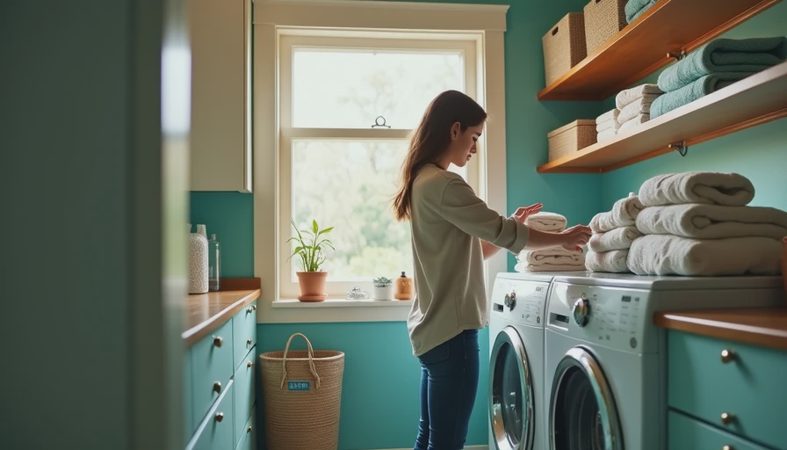
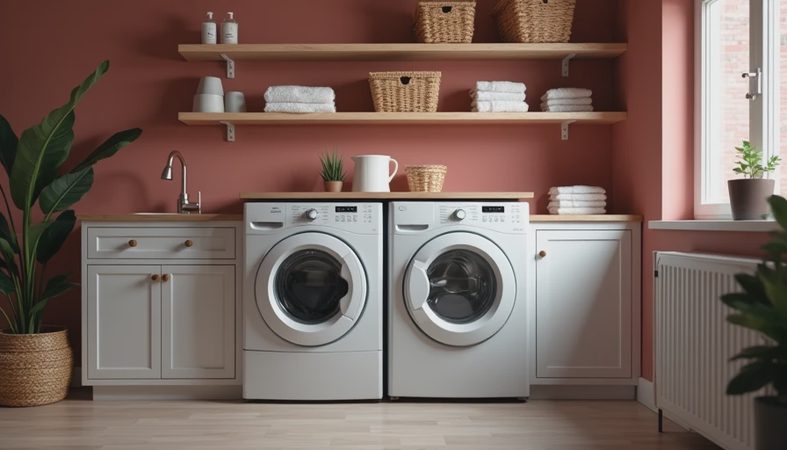
When you're renovating a small laundry room, the temptation is to start with paint, baskets, and a pretty backsplash. I get it. After ten years handling water-damage claims, I can tell you the room should start with the parts nobody posts on Houzz: shutoff valves, venting, floor protection, and where the water goes if a hose fails at 2 a.m. A good small laundry room makes sorting, washing, drying, and folding easier without turning your basement, closet, or mudroom into a repair bill. The goal is simple: build a room you can keep dry, clean, and actually willing to use.
Find the weak spots before you buy a cabinet
The first step is not design. It is a hard look at the supply lines, drain, outlet locations, and ventilation path. I have seen a $25 rubber hose turn into a four-figure cleanup because nobody replaced it when the machine was moved. Braided stainless steel hoses are the safer choice, and they should be easy to reach, not buried behind a wall of trim. If the room is in a basement, check for seepage, rust at the sill plate, and any sign that the floor has ever held water.
A laundry room also needs the right electrical setup. In most modern U.S. homes, laundry receptacles need GFCI protection, and the washer should not share a crowded circuit with half the basement. If you are adding a gas dryer, make sure the gas line and venting are done by a licensed pro. I have walked through enough smoke- and soot-damaged rooms to know that lint buildup and sloppy vent runs are not cosmetic problems.
Renovating a Small Laundry Room on a Budget
You do not need to gut the whole house to get this right. A simple refresh might land in the $1,500 to $4,000 range if you are keeping the machines in place and replacing paint, lighting, flooring, and hoses. A more complete update with cabinets, a counter, a utility sink, and better venting often runs from $5,000 to $12,000. If plumbing or electrical needs to move, or if you are finishing a damp basement space, the total can jump well past that.
The smart order is boring but effective: solve water, then power, then airflow, then storage. I would rather see a homeowner buy a leak detector and a proper shutoff valve before spending on fancy pulls and decorative tile. If the budget is tight, spend on the things that keep the room from failing. A new washer is nice. A dry floor is better.
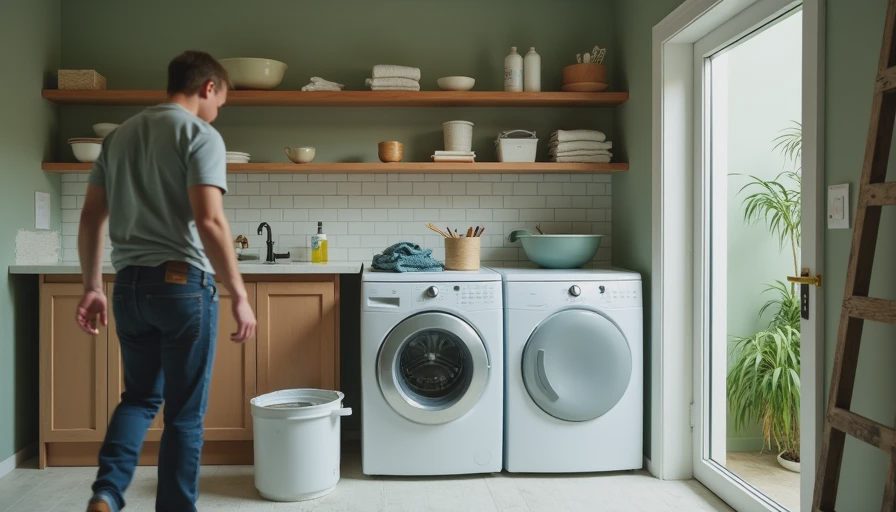
Build around the appliances, not around the walls
A small room works when the layout respects the machine doors, the hose access, and the path you actually walk with a hamper in your hands. Front-loaders are often the easiest choice in tight spaces because you can add a counter over them for folding, but you still need room to open the doors and service the back of the units. Top-loaders need overhead clearance, so a shelf mounted too low can turn daily use into a headache.
If you are shopping for compact machines, look at brands like Bosch, LG, GE, Whirlpool, and Speed Queen. Some are better known for compact footprint, some for durability, and some for strong service networks. The exact pick matters less than the fit. Measure the alcove, the hose reach, the vent route, and the depth of the door swing before you order anything. In tight rooms, an inch saved at the dryer can be the difference between a clean aisle and a room that feels cramped forever.
Think about the folding surface too. A counter that is about 24 to 30 inches deep is usually enough for sorting and folding, and a wall-mounted drying rack or pull-out shelf can save you from stacking wet items on the machines. If you are renovating a small laundry room in a hallway closet, a stacked washer-dryer with a slim utility cabinet beside it often beats forcing in a full U-shaped layout.
Choose materials that survive leaks, lint, and wet shoes
The floor takes the punishment in this room, so do not treat it like a guest bath. Porcelain tile, sealed concrete, and quality sheet vinyl all hold up well. I am less excited about cheap laminate in a space where hoses can fail or wet boots can get tossed down without warning. If the room sits over a slab or a damp basement, a moisture-tolerant floor and a good seal at the edges matter more than a trendy pattern.
For walls, washable paint in a satin or semi-gloss finish cleans up better than flat paint. Cabinets should be built from something that tolerates humidity, not the flimsy stuff that swells after one small leak. I like upper cabinets for detergent and stain spray, plus one open shelf for the things you use every week. A shallow utility sink is worth the footprint if you rinse muddy sports gear, soak cloth diapers, or hand-wash delicates.
Lighting matters more than people think. A dim laundry room feels like a cave, and a cave gets ignored. Bright LED fixtures make it easier to spot drips, lint, and detergent spills. Add a dehumidifier if the space is in the basement, and keep an eye on the moisture level. A room that smells musty is already telling you something.

The safety checklist I use before drywall goes up
This is the part that saves money later. Make sure the washer shutoffs are accessible and clearly labeled. Put a drain pan under the washer if the setup allows it, especially on an upper floor or over finished space. Use rigid or semirigid metal duct for the dryer vent, keep the run as short and straight as possible, and clean the lint trap every load. Then clean the vent system on a schedule, because lint does not care that the room looks finished.
If the laundry area has a sink, a dedicated light over it is not a luxury. It helps you see slow leaks, drips around the faucet base, and mildew before it spreads. If you are replacing plumbing in an older house, ask whether the supply shutoffs should be upgraded to quarter-turn valves. They are easier to close fast, which matters when you hear water running where it should not be.
I also like a battery backup for the sump pump if the room is below grade. It is not glamorous, but neither is standing water on a new floor. That is the whole point of a room like this: keep the ugly failures from becoming expensive ones.
When a contractor is worth the money
You can paint, measure, and install shelves yourself. Call in help when the work touches gas, main electrical, structural framing, or moving plumbing through finished space. A good plumber or electrician is cheaper than rebuilding drywall after a leak or a code issue. If you are not sure what the room can safely handle, spend a little on an inspection before you spend a lot on finishes.
If you're renovating a small laundry room in a 1947 house, my advice is to build it like a utility room first and a pretty room second. That does not mean it has to look rough. It means every surface earns its keep. A room you hate to be in is a room you'll never take care of, and laundry already gives people enough reasons to procrastinate. Make it dry, bright, and easy to clean, and the rest gets simpler.