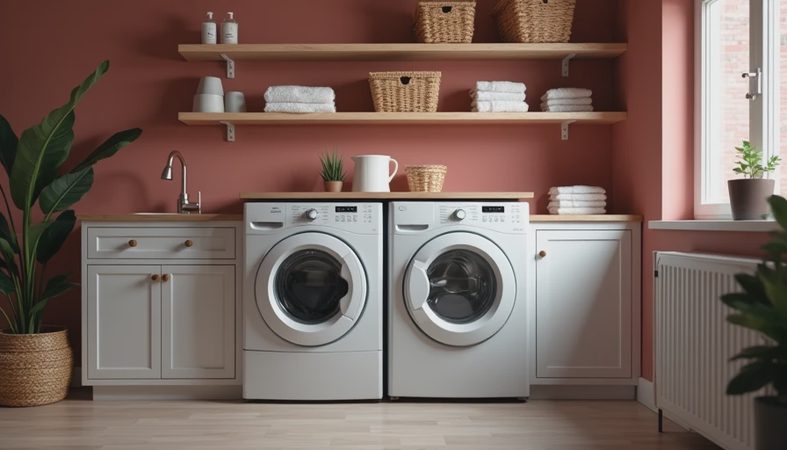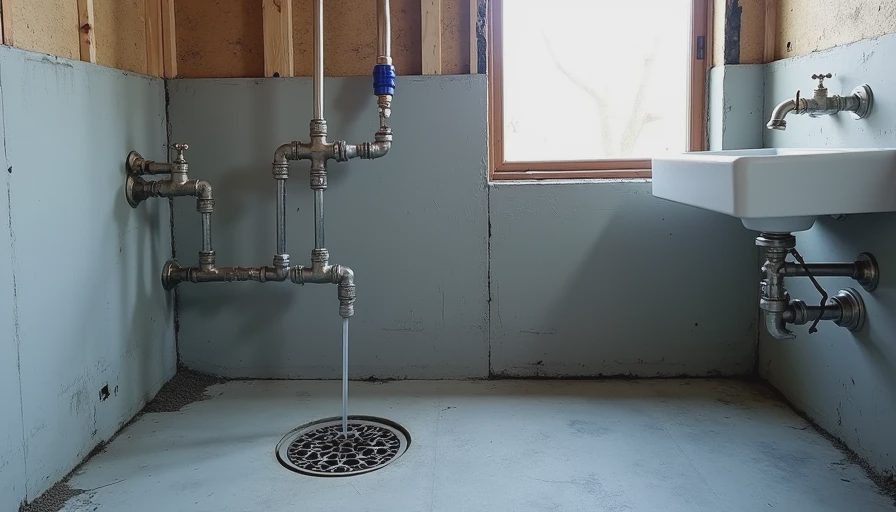
I used to sleep fine. Then we started planning the laundry renovation and I began lying awake running mental flood scenarios. Ten years of claims files will do that to you. Every time I closed my eyes I saw the same pictures: water creeping under baseboards, drywall turning to mush, the look on a homeowner’s face when they realize the insurance check will not cover everything.
So when the plumber asked what I wanted for the new laundry room, I had a list that made him raise an eyebrow. I did not care. I had already paid for other people’s shortcuts in the form of claim settlements. I was not about to pay for my own.
The Supply Lines Were Non-Negotiable
The old rubber hoses went in the trash the first week we owned the house. Braided stainless-steel lines replaced them immediately. During the renovation I went one step further. We installed new quarter-turn ball valves with integral hammer arrestors, mounted them at a height I can actually reach without moving the machines, and ran the final connections in braided stainless again.
I also added a whole-room water sensor system with an automatic shut-off valve on the main laundry supply. It was not cheap. It was cheaper than the average hose-failure claim I used to adjust. The sensor sits on the floor behind the washer. If it detects water, it closes the valve and sends an alert to my phone. I tested it with a cup of water the day it was installed. The valve slammed shut in under three seconds. I slept better that night.
The Floor Drain Nobody Knew We Had
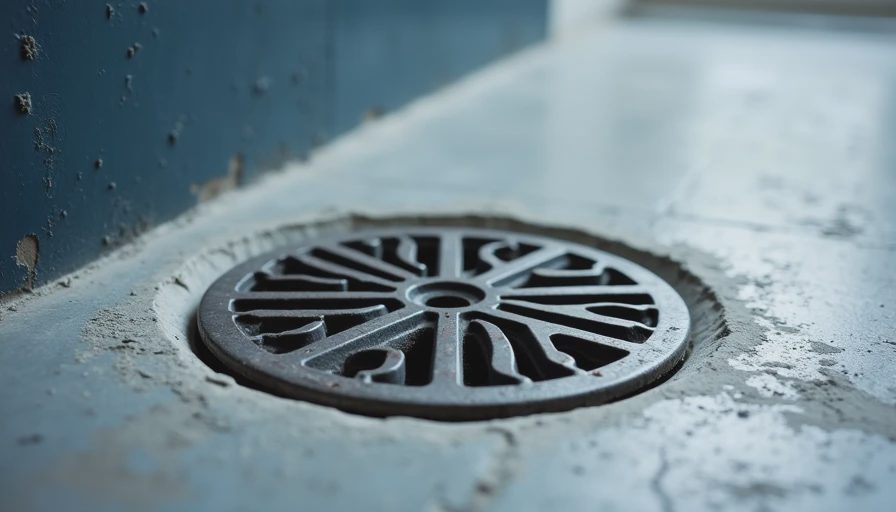
Demo day delivered a small miracle. When we pulled up the old vinyl remnant and the layer of crumbling particle board someone had used as a “floor,” we found a floor drain roughly four feet from where the new machines would sit. It had been buried under decades of flooring choices and was half-full of dried sludge.
The plumber scoped it, confirmed it still tied into the main stack, and we cleaned it out. We then pitched the new concrete patch and the finished vinyl plank flooring toward that drain with a subtle but measurable slope. The drain pan under the washer now has somewhere useful to empty if the worst happens.
I have lost count of the claims that would have stayed under a thousand dollars if a working floor drain had been present and the floor had been pitched toward it. Water that has somewhere to go does far less damage than water that has to invent its own path through the house.
Standpipe Height and the Air Gap Argument
Code in our area requires a standpipe of a certain height and an air gap. Plenty of older installs ignore both. The old laundry tub in our basement had a hose simply draped over the edge. It worked until it did not.
We installed a proper standpipe at the correct height with a P-trap and a visible air gap. It looks a little industrial. It also prevents the exact back-siphon and overflow scenarios that used to generate late-night emergency calls. The plumber suggested a cleaner look with a hidden box. I said no. I want to see the connection. If something starts to weep, I want to know before the cabinet floor turns to compost.
The Utility Sink Decision
We debated the utility sink for weeks. Rachel wanted one for rinsing muddy sports gear and cleaning paintbrushes. I wanted one because every claim file involving a laundry overflow was made worse by the lack of a nearby sink that could handle dirty water without contaminating the kitchen.
We installed a simple, deep polypropylene sink with a real metal faucet and a separate shut-off. It is not pretty. It is bolted to the wall and sits on a small platform so the drain line has proper pitch. The first time Sam rinsed his hockey pads in it instead of the upstairs bathtub, I considered the decision validated.
What I Still Worry About at 2 A.M.
Even with all of the above, I still do a mental walk-through of the room some nights. Is the automatic valve still powered? Did the kids leave something on the floor that could block the drain pan? Is the standpipe clear?
Those questions are the residual tax of having seen too many preventable floods. The difference is that now the answers are mostly reassuring. The water lines are the right material. The valves are reachable. The floor has a path for water. The sensors are active.
Plumbing is not the glamorous part of a laundry renovation. It is the part that determines whether the rest of the work survives the first real failure. I chose the boring, overbuilt version on purpose. The claim files taught me that excitement in a laundry room is almost never a good thing.
A room you hate to be in is a room you’ll never take care of. Making the water systems trustworthy was the first step toward a room I do not hate—and one I can finally sleep through the night without mentally rehearsing flood scenarios.