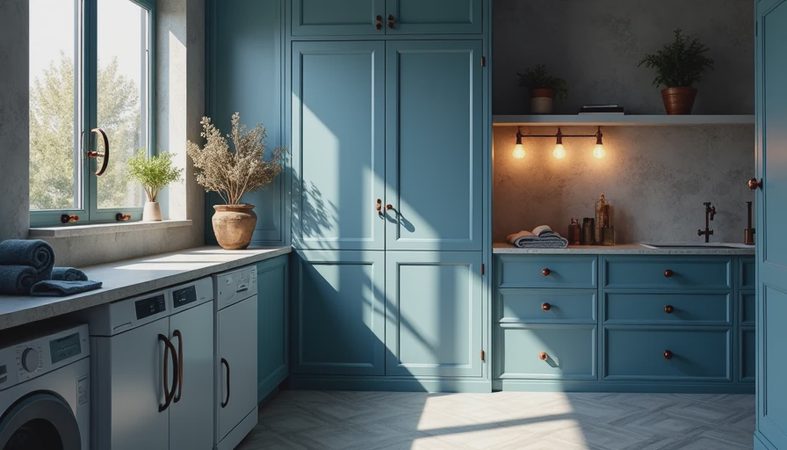
A laundry room utility sink is one of those fixtures you appreciate only after carrying a dripping comforter across the house. I learned that during ten years handling property claims, when I saw how often a neglected laundry area turned a small plumbing problem into a soaked basement. The right sink gives you a place to pretreat stains, drain mop water, wash muddy shoes, and handle hand-wash items without using the kitchen. The wrong setup can hide leaks behind cabinets, overload a weak floor, or create a mold problem.
In my own 1947 Buffalo colonial, the basement laundry area started as a washer, dryer, and a plastic tub balanced beside a floor drain. It was functional in the same way a folding chair is functional: technically useful, but not something you want to rely on every day. A properly planned laundry room utility sink made the space safer and far less frustrating.
Choose the Right Sink Size and Material
For most homes, a basin measuring roughly 20 to 25 inches wide, 20 to 24 inches front to back, and 12 to 15 inches deep is a useful range. That depth is enough for soaking work clothes or filling a bucket without making the sink awkward for shorter adults. If you regularly wash large pet beds or sports equipment, a 25-gallon freestanding tub can be worthwhile, provided the room has enough clearance.
Laundry sinks usually come in molded plastic, acrylic, stainless steel, or enameled metal. A polypropylene tub is inexpensive, lightweight, and forgiving when you drop a tool into it. A stainless basin costs more, but it resists stains and stands up well to hot water. I generally avoid thin, bargain-basement plastic that flexes when the faucet is operated; repeated movement can stress the supply connections underneath.
Look closely at the legs and base, too. A full sink can weigh more than 200 pounds once water and laundry are added. Adjustable metal legs are helpful on an uneven basement slab, while a wall-mounted model can free floor space but requires solid blocking behind the wall. Do not choose a sink solely because it fits a pretty online photo. Measure doorways, the washer lid or door swing, and the route to the main drain first.
Plan the Plumbing Before Buying the Cabinet
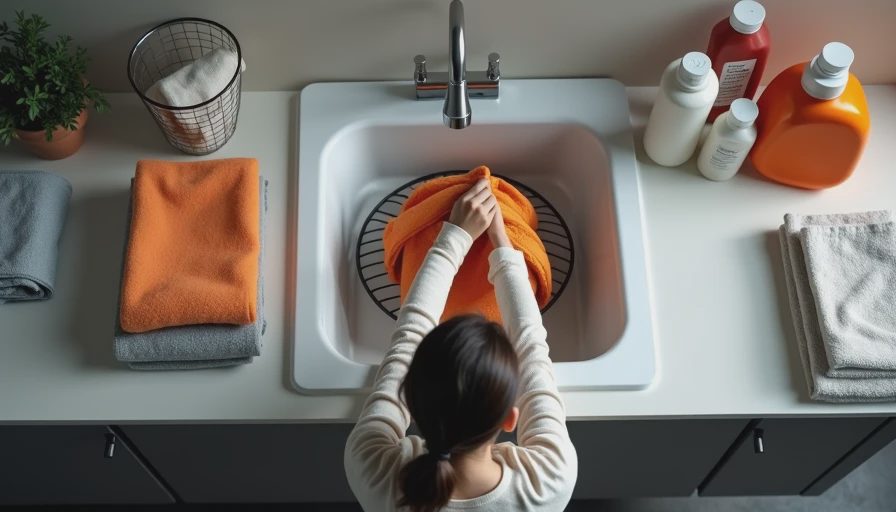
The most important question is where the water goes. A laundry room utility sink should connect to a properly trapped and vented drain, not simply discharge into a floor drain or a loose standpipe. Local plumbing requirements differ, and an unfinished basement may have old pipes that are undersized, corroded, or positioned too far from the proposed sink.
A licensed plumber can tell you whether the existing drain has enough capacity and whether the sink needs an air admittance solution, a new vent, or a sewage ejector system. Do not hide questionable connections inside a finished cabinet. Access panels and removable backs are not attractive features, but they can turn a future repair from a demolition project into a thirty-minute job.
The hot and cold supply lines should have accessible shutoff valves. Quarter-turn ball valves are generally easier to operate than old multi-turn compression stops, especially when you need to close them quickly. Use braided stainless supply lines rated for the installation, and keep every connection free of strain. A line that is bent sharply against the cabinet wall is a slow-motion failure waiting for a convenient vacation.
If the sink shares a drain with the washing machine, have the arrangement reviewed carefully. The washer can discharge several gallons quickly, and a poorly configured shared line can back up into the basin. I have seen basement floors damaged because the homeowner assumed a nearby pipe was automatically an acceptable connection point.
Select a Faucet for Real Laundry Work
A standard bathroom faucet is often too short and too delicate for a laundry area. Look for a high-arc kitchen-style faucet with a pull-down or pull-out sprayer. A 7- to 10-inch reach is practical for filling buckets and rinsing boots without splashing the wall. Some homeowners prefer a bridge-style utility faucet with separate hot and cold handles because the controls are easy to operate with wet hands.
A laundry room utility sink faucet should also be mounted securely. If the faucet base rocks when you turn it, the problem is usually inadequate support or a loose mounting nut, not a faucet that needs more tightening. For a deep freestanding tub, consider a faucet designed specifically for utility sinks rather than adapting a lightweight bar faucet.
Keep the spray hose from hanging where it can pull on the supply lines. A simple clip or weighted guide helps. Also leave enough space behind the basin to reach the shutoffs. The best faucet in the world is not useful if the first person responding to a leak cannot close the water.
Add Leak Protection Where It Actually Helps
A laundry room utility sink deserves the same leak planning as the washing machine. Place a water sensor on the cabinet floor or directly beneath the trap. Models from brands such as Govee, Honeywell, and Flo by Moen can send an alert to a phone, while some systems can automatically shut off a supply line. A basic sensor costs roughly $15 to $40; a whole-home automatic shutoff can run several hundred dollars plus installation.
If the sink sits in a finished room, use a shallow waterproof pan or a cabinet base designed to contain minor drips. This will not stop a pressurized supply line from flooding the room, but it can reveal a slow trap leak before the particleboard swells. Seal the wall behind the sink with a washable, moisture-resistant surface. PVC wall panels, tile, and properly finished paint are easier to dry than raw drywall.
Do not caulk around every removable connection and call the job waterproof. Caulk can conceal moisture and make inspection harder. I prefer visible connections, a removable access panel, and a flashlight check every few months. A moisture meter is useful if the cabinet smells musty or the floor feels different near the plumbing.

Build the Cabinet Around Maintenance
Cabinet storage is useful, but do not sacrifice access for a seamless appearance. Store detergent, stain remover, and cleaning tools on a shelf that can be reached without kneeling in a puddle. Keep chemicals in closed containers, especially if children or pets can enter the basement. Never store paper towels, cardboard boxes, or spare linens directly beside an unprotected drain connection.
A laundry room utility sink can sit on an open metal frame, a freestanding cabinet, or a custom base. Open legs make leaks obvious and simplify mopping. A closed cabinet looks cleaner but needs a removable toe kick or back panel. If you are installing a countertop over the sink, leave enough room to lift out the basin or replace the faucet later.
Ventilation matters more than decorative shelving. A small exhaust fan, a dehumidifier, or a regularly opened basement window can reduce the moisture that collects around a deep basin. Aim for a dry room, not merely a room that smells like scented detergent. Mold growth behind a sink cabinet is expensive to remediate and rarely covered when long-term seepage was ignored.
A Practical Pre-Installation Checklist
Before ordering, measure the sink footprint, cabinet height, faucet holes, drain location, and clearance from the washer and dryer. Confirm that the nearest electrical outlets are protected as required for the location and are not positioned where a leak can reach them. Do not run extension cords through the cabinet or behind appliances.
Next, identify the main water shutoff and label the sink valves. Photograph the plumbing before the cabinet closes it in. Test the drain with a full basin, then release the water while watching every joint with a dry paper towel. Run the washer discharge at the same time if the lines are shared. Check again after ten minutes, because some leaks appear only when the pipe warms or the flow increases.
Finally, write the installation date on a piece of tape inside the cabinet. Inspect the hoses, trap, faucet base, and supply valves twice a year. Replace any hose that shows bulging, cracking, corrosion, or staining. I still inspect ours before Buffalo's deep-freeze season, because a room that is ignored in winter tends to reveal its problems at the worst possible hour.
A laundry room utility sink is not a glamorous upgrade, but it can make a cramped laundry area far more useful. Spend money on sound plumbing, accessible shutoffs, leak detection, and a faucet built for buckets instead of chasing a designer finish. A room you hate to be in is a room you'll never take care of. Make this one easy to use, easy to inspect, and difficult to flood.