I have replaced more washing machines on paper than most people will own in a lifetime. Insurance claims for water damage often end with a check for a new unit, and I got very familiar with the language manufacturers use to sell them. Capacity numbers that assume every load is perfectly balanced. Energy ratings measured under laboratory conditions that never include a household of four with two kids who treat grass stains like a competitive sport. Cycle counts that sound impressive until you realize half of them are slight variations of the same program.
When Rachel and I finally decided to replace our twelve-year-old top-loader in 2026, I refused to shop the way most people do. I ignored the big red “energy star” badges long enough to read the actual service manuals and the failure patterns I had seen in the field. What follows is the list of things the spec sheet will not tell you, written by someone who has both paid for machines out of pocket and paid for the damage they can cause when they fail.
Capacity Is Not the Number on the Door
Manufacturers love to advertise cubic feet. A 5.5-cubic-foot front-loader sounds massive until you load it with real towels, jeans, and the occasional sleeping bag. The usable volume is almost always less once you account for the way clothes move during the wash. Top-loaders with agitators lose even more space to the center post.
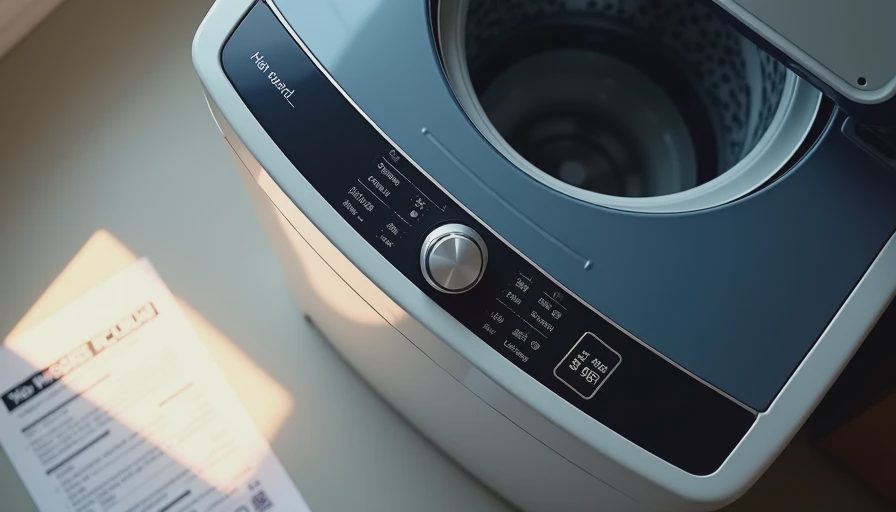
What matters more is how the machine handles unbalanced loads. Our old top-loader would walk across the floor if the kids’ soccer uniforms clumped on one side. Newer machines with better suspension and out-of-balance detection save both the floor and your nerves. Look for models that list maximum spin speed and whether they have adaptive balancing. Those details rarely make the front of the brochure.
The Hose Connection Is Still the Weak Point
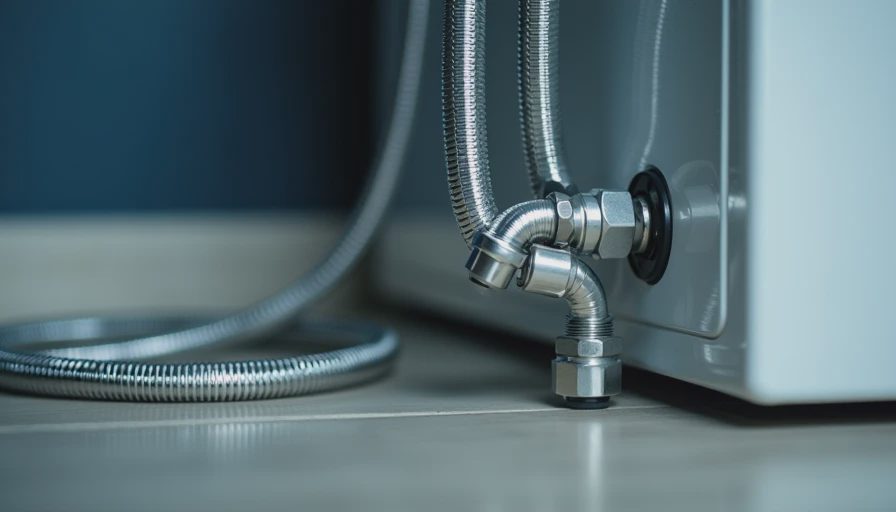
Every washer I ever saw fail in a claim had one thing in common: water left the machine when it was not supposed to. Sometimes the internal valve stuck open. More often the supply hose or the connection at the valve failed. Spec sheets almost never mention the quality of the inlet valves or whether the machine includes a built-in leak detection system that can shut off the water.
In 2026 the better units offer automatic shut-off or at least a sensor that pauses the cycle and alerts you. If the model you are considering still expects you to rely solely on the external rubber or braided hose, budget for a quality shut-off valve and a water sensor the day you install it. The machine itself is only as safe as the weakest connection feeding it.
Service Access and Parts Availability
I once waited six weeks for a simple door boot on a popular front-loader because the part was on national back-order. Another time a control board failure turned a three-year-old machine into a very expensive clothes hamper while we waited for a technician who had to order the board from overseas.
Before you buy, search the model number plus “parts diagram” and “service manual.” If the diagrams are locked behind a dealer portal or the common failure parts cost more than a mid-range appliance, keep looking. Local parts availability and the existence of independent repair technicians who will work on the brand matter more than the length of the warranty in most real households.
Noise, Vibration, and the Floor Beneath It
Spec sheets list decibel ratings measured in a sound lab. They do not list how the machine behaves on a 1947 concrete slab that is not perfectly level, or on a second-floor laundry closet with joists that flex. Front-loaders generally spin faster and can transmit more vibration if the suspension is mediocre. Top-loaders with good balance control are often quieter in daily use even if their lab numbers look worse.
If your laundry room shares a wall or floor with living space, prioritize models with strong vibration control and consider a quality anti-vibration pad. The difference between a machine you can run at 9 p.m. and one that wakes the kids is not on the energy guide label.
What We Actually Bought and Why
We ended up with a Speed Queen top-loader for the simple reason that every long-term owner I spoke with, and every commercial laundry I had ever inspected, still had working machines after fifteen or twenty years. The capacity number is smaller than the flashy front-loaders. The cycle list is shorter. The finish is basic. It also has a metal transmission, serviceable parts, and a track record that matches the claim files I used to write: these units fail less often and fail more gracefully when they do.
I am not saying it is the only good choice in 2026. LG and Electrolux make excellent front-loaders if you need the stacking option or prefer the gentler wash action. What I am saying is that the decision should start with service life, leak prevention, and real-world repairability—not with the cubic-foot number printed in the biggest font on the box.
The Questions Worth Asking in the Store
Can I see the inlet valve assembly and the drain pump?
Does the machine have an automatic water shut-off or only a leak alert?
How many independent repair shops in my area work on this brand?
What is the cost of the most commonly replaced parts (door boot, shift actuator, control board)?
Is the suspension system serviceable or is the whole tub assembly a single sealed unit?
If the salesperson cannot answer those, the spec sheet is not going to help you either.
Buying a washer is one of the few appliance decisions that can directly create or prevent a five-figure water claim. Treat it with the same seriousness you would give a new roof or a furnace. The marketing numbers are designed to make the choice feel easy. The claim files taught me it should feel careful instead.
A room you hate to be in is a room you’ll never take care of. The machine that lives in that room should be one you do not have to worry about every time you leave the house.