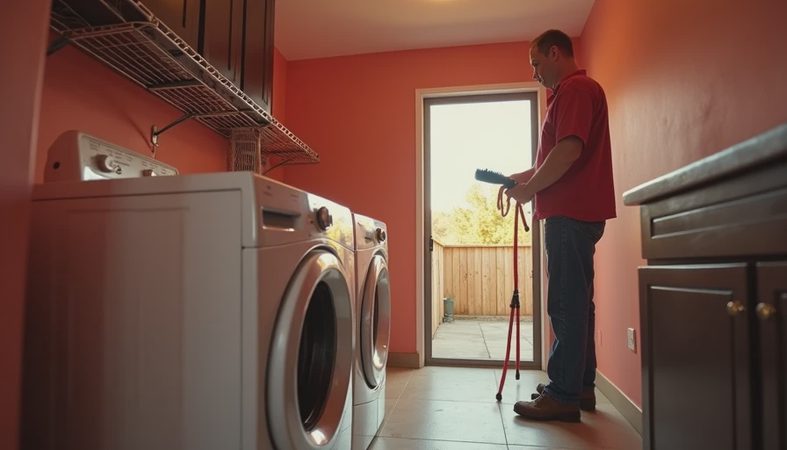
If you are searching for dryer vent cleaning near me, do not start with price alone. Start with the question that matters in every laundry room I have ever walked through: how much lint is sitting in that run, how long is the run, and where does the air actually go when the dryer is on? In claim work, the ugly stories usually start small. Clothes take two cycles to dry. The dryer cabinet feels hotter than it should. Somebody notices a burnt smell and shrugs it off until the laundry room smells like a campfire and a repair bill shows up later.
A clean vent is not a luxury upgrade. It is part of keeping a house dry, efficient, and less likely to burn. In an old basement laundry setup, the problem gets worse because the vent run is often longer, colder, and harder to inspect. Lint builds up faster where the pipe sags, turns, or dumps into a weak exterior hood. That is why I pay attention to this service the same way I pay attention to a leaking washing machine hose: boring until it is expensive.
What a real dryer vent cleaning should actually include
A real service starts with the dryer unplugged and pulled out far enough to inspect the transition duct, the short connector between the machine and the wall. The tech should look at the full path, not just blast the first few feet with a brush and call it done. That means cleaning from the dryer side, the exterior side, or both if the run is long. It also means checking the outside cap for a stuck flap, bird nest, crushed screen, or loose termination.
When people type dryer vent cleaning near me after a load takes two cycles to dry, the fix is often more than a quick vacuum job. A proper cleaning should clear lint from elbows, long horizontal runs, and the back side of the hood where a cheap shop vac cannot reach. I like to see the technician explain what they found, because the difference between a quick cosmetic clean and a real cleanup is the difference between a dryer that runs normally and one that keeps begging for attention.
If the vent uses flimsy foil or plastic transition duct, that should be a conversation too. Those materials can crush, sag, and trap lint. A better setup is usually rigid metal or listed semi-rigid metal for the short connector, with the rest of the system built for straight airflow and easy service.
Warning signs you should not ignore
The warning signs are usually loud enough if you know what to listen for. The dryer feels unusually hot on the outside. The laundry room gets humid. A load that should be dry comes out damp, especially heavy items like towels or jeans. You may also see lint collecting around the exterior vent opening, or you may notice that the dryer shuts off on a thermal limit and has to cool before it runs again. That is the machine telling you it is working too hard.
I have seen plenty of homeowners wait until there is a smell before acting. Bad move. A burning odor is not the time to start reading reviews. It is the time to stop using the dryer, unplug it if you can do that safely, and get the vent checked. One more clue I trust is the feel of the exhaust outside. Put a hand near the cap while the dryer runs. You should feel steady airflow. Weak flow means restriction somewhere in the line, and restriction is where lint piles up.

Older homes make this worse because the vent path is rarely direct. I have inspected basement runs that went across the ceiling, turned twice, and exited on the far side of the house. That kind of layout can work, but it needs maintenance. If your setup looks like a maze, it probably cleans like one too.
What it usually costs and what changes the price
For a straightforward single dryer vent, a typical professional cleaning often lands somewhere around $120 to $250. If the run is long, goes up to a roof termination, includes multiple elbows, or needs minor repairs, the price can move into the $200 to $400 range. That is still cheaper than ignoring a blocked vent and dealing with a damaged dryer, scorched framing, or a laundry room that turns into a moisture problem.
Pricing changes when the tech has to fight the house. A second-story exit, a basement laundry room with a long horizontal run, a bird nest in the cap, or a disconnected duct behind the dryer all add time. Some companies charge a base fee plus an add-on for roof work or replacement parts. That is normal. What you do not want is a quote so cheap it sounds fake, because those calls often turn into a three-minute visit and a sales pitch for work the technician barely inspected.
The best value is not the lowest sticker price. It is the company that tells you what they cleaned, what was wrong, and what should be watched next season. In my book, that is worth a little extra.
What to ask before you hire anyone
If you are comparing local providers, ask whether they clean the entire vent path or only the first few feet. Ask if they inspect the exterior termination, measure airflow, and replace damaged transition duct if needed. Ask whether they carry insurance and whether they will show before and after photos. Those are not fussy questions. They are basic job-site questions, the same kind I would ask if somebody were opening a wall in my house.
When people search dryer vent cleaning near me, they often get a mix of duct cleaners, handyman services, and specialty dryer vent companies. Any of them can be fine if they actually understand the system. What matters is whether they know the difference between a lint screen problem and a vent restriction, and whether they are willing to say, plainly, that the route behind your laundry machine is unsafe or poorly built.
I also like companies that talk about prevention, not just cleaning. If they recommend rerouting a bent hose, shortening an overlong run, or replacing a crushed connector, that tells me they are thinking like a technician instead of a coupon.
What you can do between cleanings
You do not need to tear apart the laundry room every month, but a few habits help a lot. Clean the lint screen every load. Pull the dryer out once or twice a year and look behind it. Make sure the hose is not kinked when the machine gets pushed back. Keep the exterior cap clear of snow, leaves, and wasp nests. If the dryer has to work harder to breathe, it will wear out faster and run hotter than it should.
Also watch the way the room feels. If the laundry space is humid, dusty, and hard to use, you will ignore it longer than you should. A room you hate to be in is a room you will never take care of. That is why I care so much about a clean vent path and a layout that does not fight you every time you start a load.
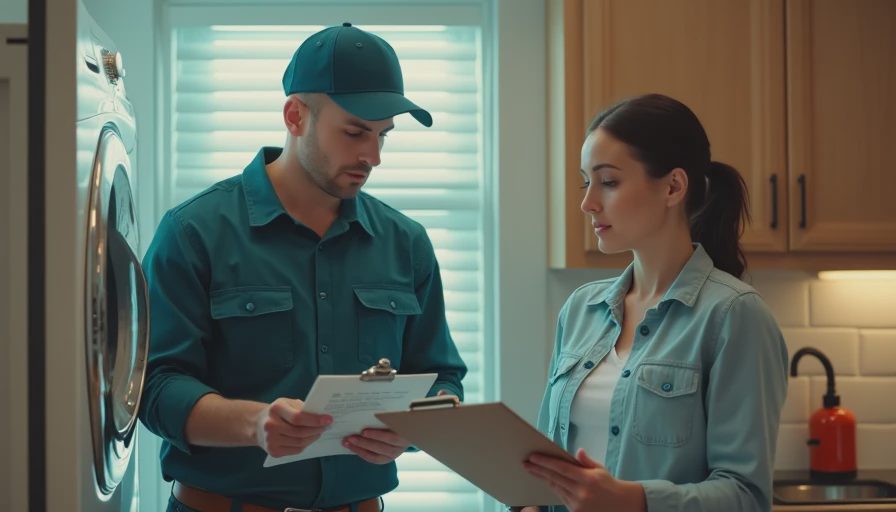
If you are in an older house, do not assume last year’s cleaning is still good. Basement settling, moved appliances, and a fresh sag in the duct can change airflow in a hurry. A good seasonal check takes less time than the first load of towels on a Saturday morning.
Why this matters in an old house laundry room
In a newer build, the dryer vent may be short, straight, and easy to service. In a 1940s or 1950s house, the story is usually messier. The dryer may sit in a basement corner, the vent may snake past joists, and the outside cap may be half-hidden under a deck or shrub. That kind of setup can still be safe, but only if somebody keeps an eye on it.
That is the whole point of hiring the right local help instead of just picking the first name on the search page. The next time you search for dryer vent cleaning near me, make sure the company can explain your exact vent path, tell you what they found, and show you that the air is actually moving. That is how you keep laundry day from turning into a claim file.