Laundry rooms do not fail dramatically every day. They fail quietly between the times you remember to look. A hose that has been hardening for years finally splits in July. A dryer vent that was “fine last year” is half-full of lint by October. A shut-off valve that has not been touched since installation seizes when you actually need it.
The claim files taught me that most of these problems give warning signs if someone is paying attention on a regular schedule. Twice a year is enough for the majority of households. Spring and fall line up with other home maintenance and with the big swings in temperature and humidity that stress hoses, vents, and seals.
Here is the exact checklist I use in our own finished laundry room and the one I used to recommend to homeowners who wanted to stay off my claim list.
Spring Checklist (After the Heating Season)

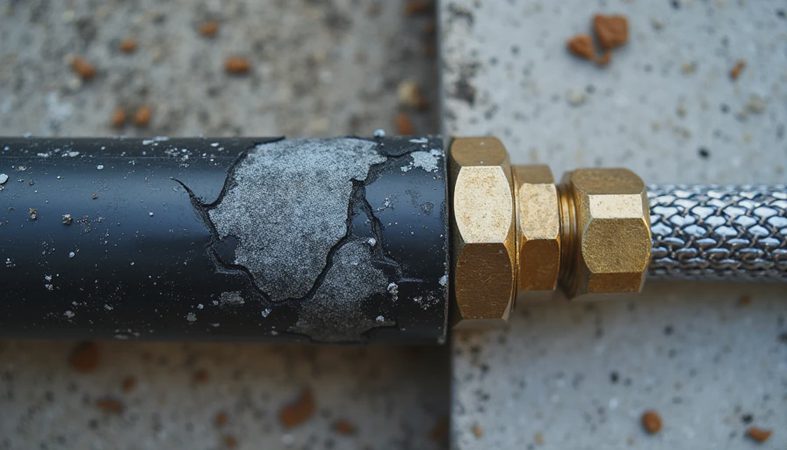
Inspect and replace washing machine hoses if they are more than five years old or show any cracking, bulging, or rust at the fittings. Braided stainless still needs visual checks.
Test the water shut-off valves. Turn them off and on fully. If they are stiff or drip, replace them before they fail under pressure.
Check the automatic water sensor and shut-off system if you have one. Pour a small amount of water on the sensor and confirm the valve closes and the alert works.
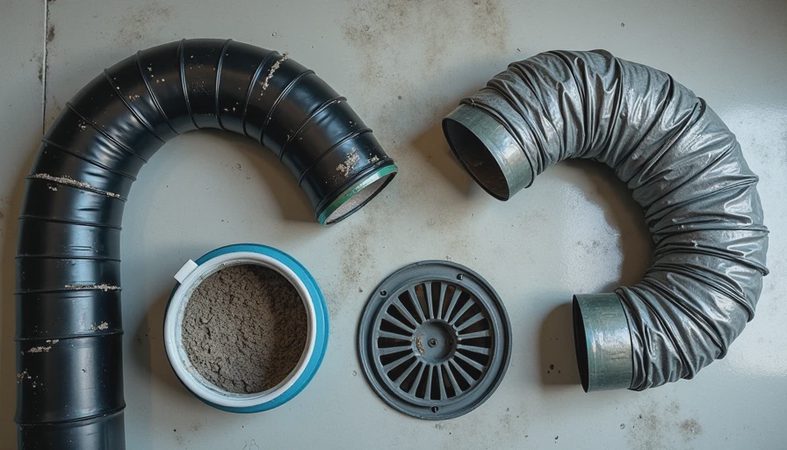
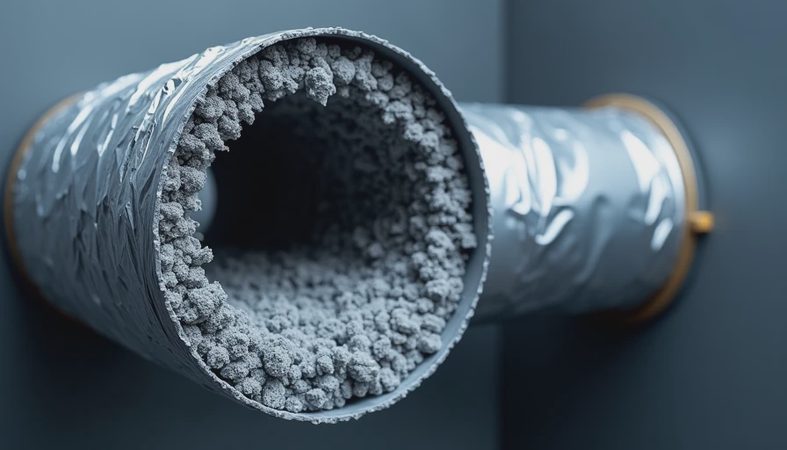
Clean the entire dryer duct from the machine to the exterior hood. Do not stop at the lint trap.
Inspect the exterior dryer termination. Make sure the damper opens freely and is not blocked by lint, bird nests, or winter debris.
Look at the floor around and behind the machines for any signs of previous moisture, corrosion, or soft flooring.
Run the moisture meter along the walls and baseboards near the laundry area if you keep one. Compare readings to last fall.
Fall Checklist (Before the Heating Season)
Repeat the hose and valve inspection. Temperature swings in fall are hard on rubber and on older braided lines.
Clean the dryer duct again. Fall is when heavier clothes and more frequent loads start; starting the season with a clear vent matters.
Confirm the dryer vent hood is clear before cold weather arrives. Ice and snow can interfere with dampers that are already partially restricted.
Check the utility sink supply lines and drain for slow drips or corrosion.
Test any floor drain by pouring a bucket of water into it. Confirm it drains freely and that the trap has water in it.
Inspect the drain pan under the washer. Clear any debris and make sure the pan itself has not cracked or shifted.
Look at the electrical connections and the area around the dryer for lint buildup that has escaped the vent system.
Why Twice a Year Is the Right Rhythm
Annual cleaning is better than nothing. Twice-yearly checks catch the problems that develop on a shorter cycle. Hoses degrade continuously. Lint accumulates with every load. Valves seize after months of sitting in one position. Season changes add thermal stress that accelerates all of the above.
I have seen too many claims that began with “I meant to clean that this spring” or “The hose looked fine last year.” The calendar reminder removes the reliance on memory and good intentions.
Tools Worth Keeping in the Laundry Room
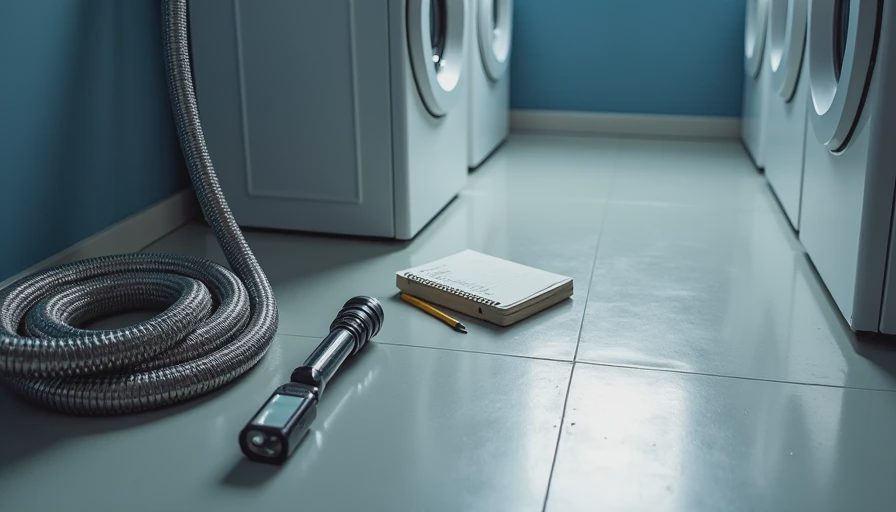
A good flashlight or headlamp
A moisture meter if you live in a basement or humid climate
Replacement braided hoses and a pair of quarter-turn valves so you can act immediately when something looks wrong
A simple brush and vacuum attachment for vent cleaning
The manufacturer’s instructions for your automatic shut-off system, if you have one
None of these items are expensive. All of them turn a potential weekend flood or fire into a ten-minute fix.
What I Still Do Even in a Finished Room
Our laundry room now has the hoses, the drain, the sensors, and the short rigid vent that should keep major failures at bay. I still walk through the full checklist every April and every October. I still write the dates in a notebook. Old adjuster habits die hard, and the cost of the habit is measured in minutes, not thousands of dollars.
The goal is not perfection. The goal is to notice the small changes before they become the large ones that generate claim files and sleepless nights.
A room you hate to be in is a room you’ll never take care of. A simple spring and fall checklist is one of the easiest ways to keep the laundry room from sliding back into the neglected category—and one of the cheapest forms of insurance you can give the rest of the house.